
At least 500,000 lives in the UK are impacted by a hidden illness
Breaking the stigma of bulimia and exposing the dangers of social media
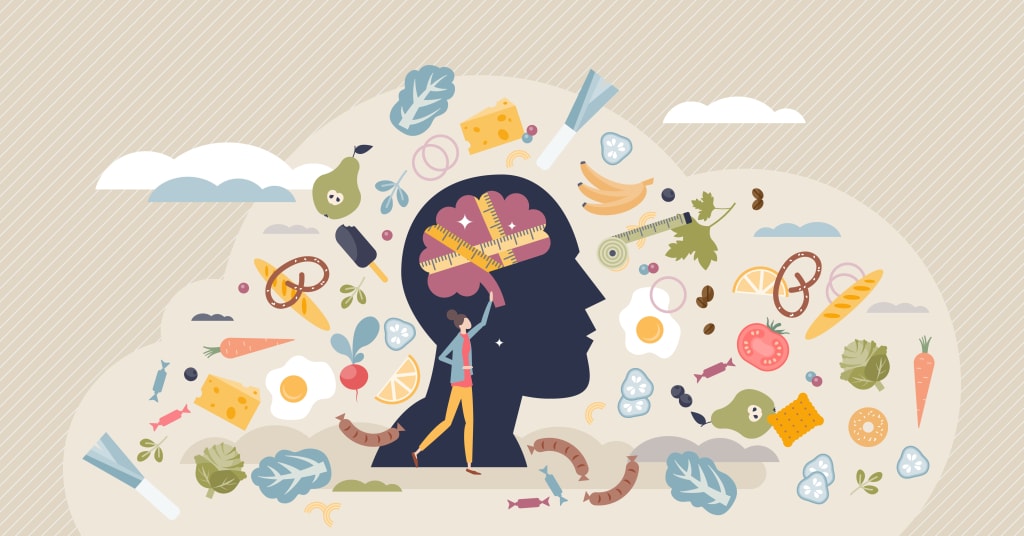
What do Princess Diana, Lady Gaga, and Elton John have in common? They each battled with bulimia, an eating disorder that has quietly affected millions of people around the world.
Bulimia nervosa, or bulimia, is an eating disorder marked by cycles of binge eating followed by purging behaviours. These behaviours include self-induced vomiting, excessive exercise, and extreme dieting, all driven by an intense obsession with body weight and image.
The physical toll can be devastating, but the emotional impact is often even more profound. Indeed, in 2024, the National Institute for Healthcare (NICE) estimated that nearly 2 in every 1000 people with bulimia lose their lives to the illness. That statistic doesn’t consider the devastating number of suicides linked to eating disorders—up to one-third of those with bulimia attempt suicide, reports the National Eating Disorders Association.
One of the most debilitating aspects of bulimia is the overwhelming sense of shame that accompanies it. Princess Diana, who bravely spoke about her struggle with the illness, said, “When you have bulimia, you’re very ashamed of yourself – people think you’re wasting food, so you don’t discuss it with anyone.” Sufferers often feel that they are simply seeking attention because it is something they are self-inflicting physically, but they are being controlled by external factors, even if they want to stop.
Emma Corin, who played Princess Diana in The Crown, said it was important to her to show the reality of being bulimic. Rather than hiding away, Corin showed her Princess Diana heaving in the bathroom after a binge. If the Princess could be open and honest when stigma was even greater than it is today, then she deserves to be celebrated for setting a hopeful example for others.
With young people the most affected, spotting signs of eating disorders early can be pivotal. The House of Commons published the statistics for Mental Health Awareness Week that highlighted a correlation between age groups and the eating disorders they experience.
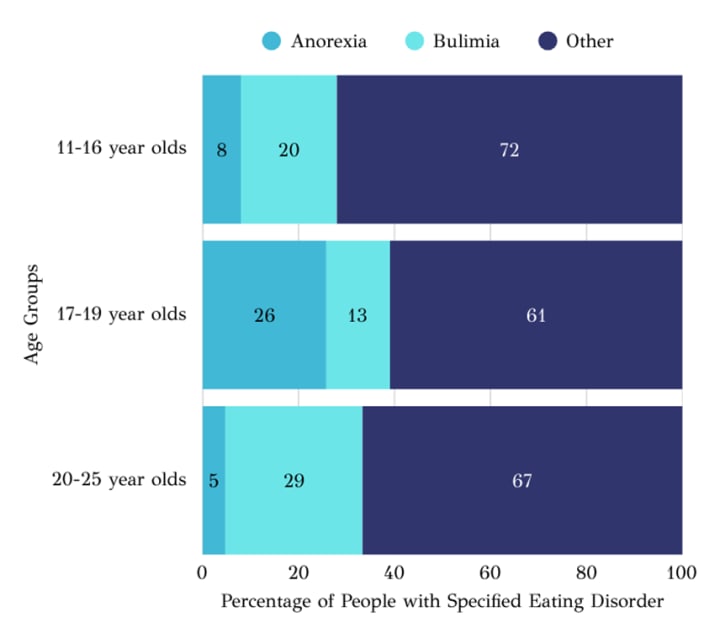
From a screening in 2023, as part of the NHS Mental Health of Children and Young People Surveys, 35.5% of young people aged 17 to 19 said that if they ate too much, they blamed themselves. 14.5% then admitted to making themselves vomit.
Bulimia is caused by multiple factors, such as family history, social pressures, and mental health issues. FREED, the online eating disorder help service, says it can stem from the belief that a full stomach is unacceptable. Binge episodes offer temporary comfort after dieting, but guilt follows, leading to purging to regain control.
The impact of social media
In this technological age, pressures to conform to beauty standards are amplified by social media platforms such as Instagram and TikTok, portraying unrealistic beauty and body image, affecting impressionable young people. As reported by a BBC article headlined, “Instagram eating disorder content 'out of control'”, young people spoke up about their experiences of how social media promoted extreme weight loss.
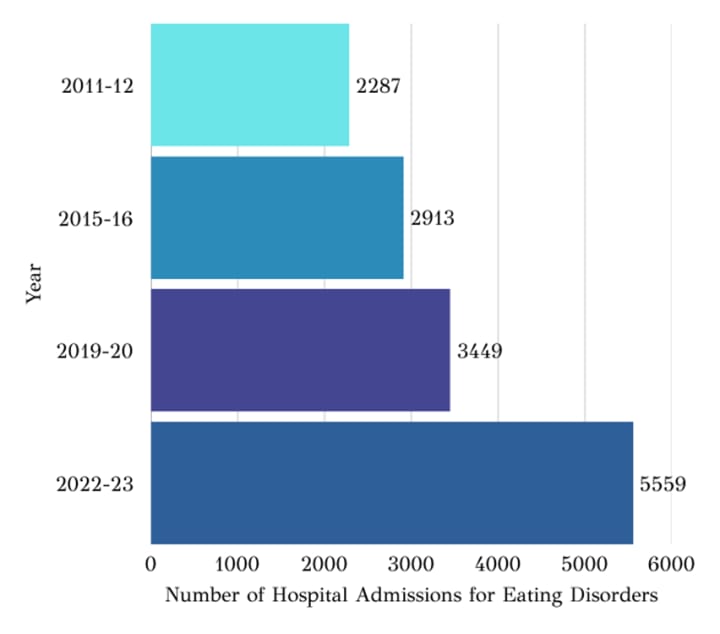
In a review published by UCL researchers, those between 10-24 who use social media may be at risk of developing image concerns and eating disorders, as social media can act as both a trigger and a mirror for those struggling. While it can offer a platform for awareness, the BBC article pointed out that sometimes audiences can use videos like ‘What I Eat in a Day’ as a ‘How to:’ rather than a means of escaping an eating disorder.
During the COVID-19 pandemic, screen time for young people was a form of communication and connection to others. The unlimited access to social media puts more of an emphasis on body image, leading to a detachment from real-life perspectives.
This online space became a key battleground for mental and emotional well-being, furthering the impact of body dissatisfaction.
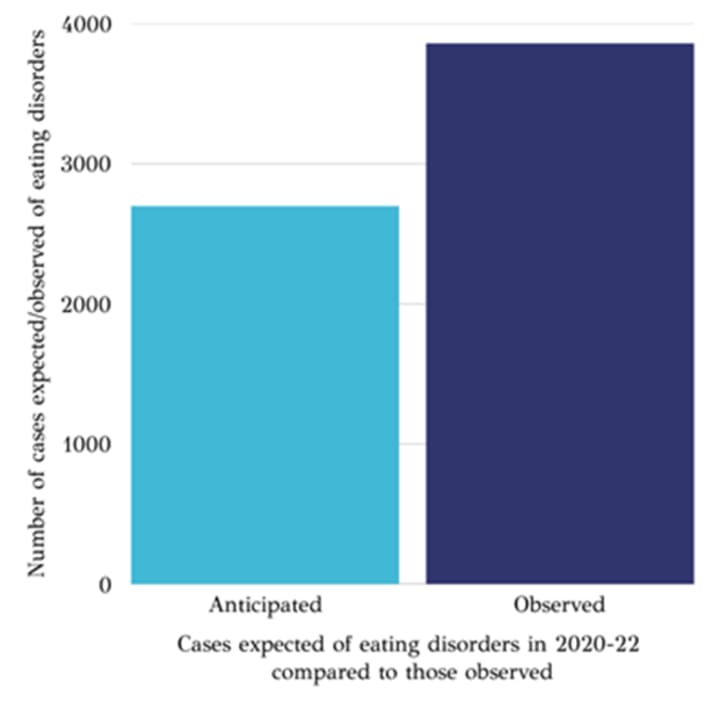
Between 2020 and 2022, the number of anticipated eating disorder diagnoses was over 40% less than the reality of how many suffered, reports the House of Commons in 2024. It doesn’t appear to be a coincidence that when young people were trapped in doors on their phones, sucked into the dangers of social media, that these numbers grew.
Even after the pandemic, a quick search on TikTok will prove that hashtags such as #thinspo or #fitspo, used to promote images of extremely thin or "perfectly fit" bodies, are still prevalent.
The silent struggle
According to Adult Eating Disorder GP, Julie, the disorder thrives in silence, with many feeling too ashamed to seek help, often taking months or years before recognising the severity of the issue.
Tragically, fewer than half of those affected ever seek professional help. Julie said, “Due to a delay in people seeking help, we now try and give help to those who have suffered for less than two years first. There is a better success rate with those patients, often leaving those with long-term eating disorders without help and on a waiting list for years. It is so important to seek help quickly for the whole recovery process to speed up.”
The first step to recovery, says Julie, is breaking the silence and recognising that it is not a personal failing but a medical condition that requires support and treatment like any other.
A lived experience battling bulimia
A person suffering from bulimia, who wished to remain anonymous, shared their experience, “I didn’t realise it was a problem for a long time. Always making excuses like ‘I’m hungover’ or ‘I ate something bad.’ The all-consuming thoughts of food were the most crippling.
“After telling a small handful of my family, a support system opened, and they showed me how dangerous what I’m doing is. It was hard to get used to, and at first, it made my disorder worse as it was now in even more areas of my life, and it was harder to ignore. But I was lucky they didn’t think it was shameful, even if they didn’t understand.
“Whilst I’m still on the road to recovery with a long way to go, I’m grateful to even get on that path. Now, the feeling that I am attention-seeking is slowly fading, and even the guilt of eating fades when I can tell those around me.”
Bulimia in the context of other eating disorders
While bulimia is a dangerous and debilitating disorder, it exists alongside others, such as anorexia and binge eating.
Anorexia carries the highest mortality rate, says NICE. This is 5.1 deaths per 1,000 people, 20% of which are from suicide. Due to this severity, it is less stigmatised than bulimia and leads to more people getting treatment.
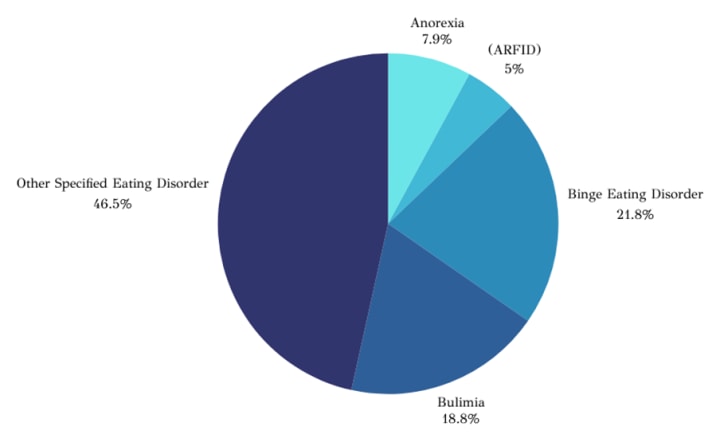
Individuals suffering from bulimia contend with feeling that they ‘don’t look like someone with an eating disorder’, said GP Julie. Whilst bulimia takes a huge emotional and physical toll, a weight change isn’t often noticed. Leaving even those with the most severe bulimia nervosa to struggle in silence.
Breaking the silence: a call to action
Online resources like FREED and BEAT suggest moving away from shame and secrecy to open dialogue and support will help sufferers.
Recovery is possible, but it requires compassion, understanding, and a willingness to confront the stigma that surrounds this disorder. BEAT reiterates that bulimia is not a personal flaw; it is a medical condition that can be treated.
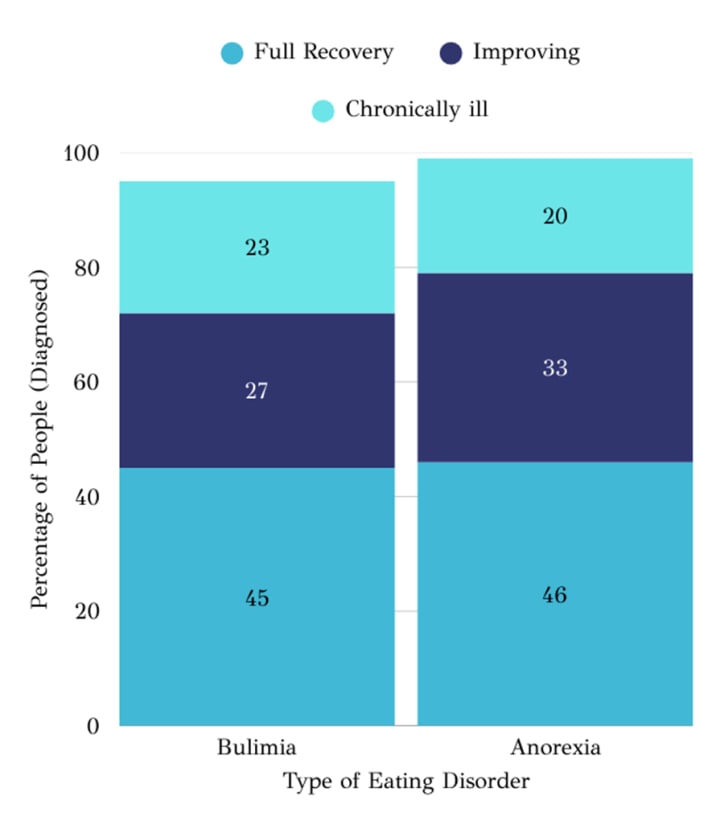
While recovery can feel like a slow and winding road, Beat Eating Disorders Organisation said 45% of people report a full recovery from bulimia, with many more improving.
Let’s break the silence. Let’s offer hope. Let’s make recovery a reality for those who need it most.
You can find help at:
beateatingdisorders.org.uk
YoungMinds
The Bulimia Project
First Episode Rapid Early Intervention for Eating Disorders
Reading:
Getting Better Bite by Bite
Beating Your Eating Disorder
About the Creator
Keep reading
More stories from Evie Clark and writers in Education and other communities.
Reclaiming creativity: life after university and the power of passion projects
In a world that often values productivity over passion, carving out time for creativity can feel like a luxury or even an afterthought. But as I’ve watched fellow graduates dive into corporate jobs, I’ve also seen a quiet rise in side hustles and passion projects, as people begin to rediscover what energises them beyond the 9–5.
By Evie Clark8 months ago in Interview
Colors and Such
Before I retired in 2020, I worked as a Nursing instructor in one of the nation's largest community colleges. It was a job I thoroughly enjoyed for fifteen years because I had a heart for the students and genuinely wanted to invest in them and their futures.
By Shirley Belk6 days ago in Education
The Living Language of Creativity: Why Art Continues to Shape Human Experience
Art has existed for as long as humans have sought to express meaning beyond survival. Universal creative dialogue allows people to communicate emotions, beliefs, and ideas that cannot always be captured through words alone. From early symbolic markings to contemporary visual culture, art reflects how individuals and societies understand themselves and the world around them.
By Marissa Haugh2 days ago in Education
How, Too
Many people wonder how, too. You are not alone, and I am an expert. I will teach you how, too! First, you need to remit a small application fee and fill out an application describing the nature of your financial situation and how often payments will be made, as this will have great bearing on how well I teach you how, too.
By Harper Lewis4 days ago in Fiction



Comments
There are no comments for this story
Be the first to respond and start the conversation.