
Are Lab Diamond Rings Ethical?
Are Lab Diamond Rings Ethical?
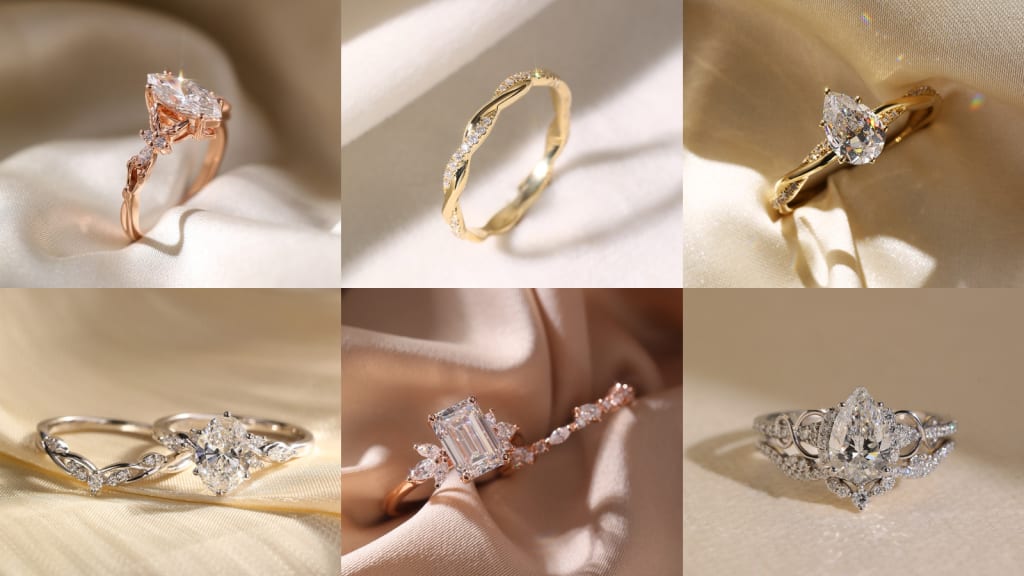
In recent years, lab - created diamonds have emerged as a popular alternative to mined diamonds, especially in the realm of engagement rings. A key question on many consumers' minds is whether lab diamond rings are ethical.
Mined diamonds often come with a complex ethical history. The diamond mining industry has been associated with issues such as environmental degradation, including deforestation, soil erosion, and water pollution, due to large scale excavation. Additionally, human rights concerns have plagued the sector, with reports of forced labor, child labor, and dangerous working conditions in some mining regions. These issues have cast a shadow over the ethical standing of mined diamonds.
Additionally, human - rights concerns have plagued the sector, with reports of forced labor, child labor, and dangerous working conditions in some mining regions. In certain areas, workers are subjected to long hours, low pay, and are at risk of physical harm due to the lack of proper safety measures in mines. Children are sometimes involved in the mining process, missing out on education and a normal childhood. These issues have cast a shadow over the ethical standing of mined diamonds.
In contrast, lab diamond rings offer several ethical advantages. From an environmental perspective, the production of lab - created diamonds has a significantly smaller footprint. They are grown in controlled laboratory environments, which requires far less energy compared to the extensive mining operations. There is no need for large - scale land disruption, and water usage is also minimized. This makes lab diamonds a more sustainable choice for environmentally - conscious consumers. The controlled process also allows for more efficient waste management, reducing the overall environmental impact.
When it comes to labor practices, lab - created diamonds are also a step ahead. Since the process occurs in a laboratory setting, there is better regulation and oversight of working conditions. Workers in these facilities are more likely to be protected by labor laws, receiving fair pay and working in safe environments. This eliminates the risk of exploitation that has been associated with some diamond - mining operations. Moreover, the skills required for laboratory - based diamond production often provide workers with valuable training and career opportunities, which can lead to economic development in the long run.
Another ethical aspect is the conflict - free nature of lab diamonds. Mined diamonds have, in the past, been linked to funding armed conflicts in certain regions. These "blood diamonds" were used to finance violence and human - rights abuses. Lab - created diamonds, on the other hand, have no such connection to conflict zones, ensuring that the purchase of a lab diamond ring does not inadvertently contribute to violence. This gives consumers peace of mind, knowing that their jewelry is not associated with any negative global issues.
However, some critics argue that the growth of the lab - diamond industry may have unforeseen consequences. For example, there are concerns about potential job losses in diamond - mining communities. These communities often rely heavily on the diamond - mining industry for their livelihoods. As the demand for mined diamonds decreases in the face of the rise of lab - created diamonds, many workers may find themselves unemployed. But it's important to note that the industry can also create new jobs in the laboratory - based production and associated sectors. There is an opportunity for retraining programs to help workers transition from mining to the lab - diamond industry or other related fields.
Furthermore, the development of lab - created diamonds also challenges the traditional diamond - mining industry to improve its ethical practices. As more consumers choose lab diamonds for their ethical appeal, the pressure is on the mining industry to address its environmental and human - rights issues. This can lead to positive changes across the entire diamond industry, benefiting both the environment and the people involved.
In conclusion, lab diamond rings are, by and large, a more ethical option compared to their mined counterparts. They address many of the environmental and human - rights concerns associated with diamond mining. As consumers become more ethically - minded, lab diamond rings are likely to continue growing in popularity as a responsible choice for jewelry. And with the potential for positive changes in the traditional diamond - mining industry as a result of the competition from lab - created diamonds, the future of the diamond market looks more ethical than ever.
About the Creator
Keep reading
More stories from Evelyn Hughes and writers in Education and other communities.
The Hottest Engagement Ring Gemstones of 2025
Engagement rings have always been symbols of love and commitment, and with the arrival of 2025, the jewelry world is introducing new innovations and personalized designs, adding fresh allure to these timeless pieces. This year’s engagement ring gemstones go beyond traditional choices, embracing creativity and individuality. From rare natural gems to dazzling lab-grown diamonds, these gemstones are not just beautiful adornments—they hold deep meaning, representing promises and emotions. Let’s explore the hottest engagement ring gemstones of 2025 and help you find the perfect symbol of your unique love story.
By Evelyn Hughes 11 months ago in Journal
How to Implement Digital Signage in Your Pharmacy
I'll never forget the first time I walked into a pharmacy with digital signage displays showing real-time prescription wait times and health tips. As someone who'd spent years waiting in line wondering how much longer I'd be there, seeing that information displayed so clearly felt revolutionary. That experience stuck with me, and when I later helped my cousin implement digital signage in her independent pharmacy, I realized just how transformative this technology could be for both pharmacy owners and customers.
By Jerry Kane a day ago in Education
Prevention First: How Proactive Medical Care Builds Stronger Communities
Preventive medical care plays a critical role in shaping healthier communities. When people receive care before illness develops, they avoid many severe conditions. This approach improves quality of life and reduces strain on healthcare systems. Moreover, prevention supports long-term wellness rather than short-term treatment. Communities that prioritize preventive care experience lower rates of chronic disease. As a result, individuals remain active and productive. Preventive care, therefore, serves as the foundation for sustainable public health.
By St. John's Community Health4 days ago in Education
Five—One Grounding
Five—Locked in a perpetual battle against my failing senses and reason, I fight to survive, to get through; I am afraid of... nothingandeverythingallatonce—...—my mouth is dry, and my muscles seize up... what can I see? I can see the birdcage and birds; I can see the watercolour my beautiful wife painted many years ago and unlocked her journey into art; I can see the empty mug of tea as it sits perilously on the arm of the sofa; how many is that now? Three down, two to go; I can also see a jackdaw on the roof of our neighbour's house across the road and a bookcase of potential—Five things you can see.
By Paul Stewart5 days ago in Poets




Comments
There are no comments for this story
Be the first to respond and start the conversation.