
An Introduction to Entrepreneur and Intrapreneur
Definition, Types, and Differences between them


What is an Entrepreneur?
An entrepreneur is a person who starts and runs a business, taking on financial risks in order to bring an idea to life. Entrepreneurs are driven by a desire to solve problems and create value for their customers, and they are willing to put in the hard work and long hours necessary to make their businesses successful.
Why Become an Entrepreneur?
There are many reasons why people choose to become entrepreneurs. For some, it is the opportunity to be their boss and has control over their career path. Others are motivated by the potential to make a significant impact in the world, whether by solving a pressing problem or by bringing a unique product or service to the market. Still, others are attracted to the potential financial rewards of entrepreneurship, as successful businesses can generate significant profits.
Regardless of the specific motivation, entrepreneurship requires a combination of skills, perseverance, and a willingness to take risks. It is not for everyone, but for those who are up for the challenge, the rewards can be great.
What Does it Take to Be a Successful Entrepreneur?
Being a successful entrepreneur requires a range of skills and qualities, including:
• A clear vision for the business and the ability to articulate that vision to others
• The ability to identify and capitalize on opportunities
• Strong problem-solving skills
• The ability to adapt and pivot in response to changing market conditions
• Excellent communication and teamwork skills
• A willingness to take calculated risks
• Persistence and determination in the face of challenges
In addition to these skills, successful entrepreneurs often have a strong support system, including a network of mentors and advisors who can provide guidance and resources.
Entrepreneurship can be a challenging and rewarding journey, and it is not for everyone. But for those who are driven, creative, and willing to take risks, it can be a fulfilling and lucrative career path.
Different types of entrepreneurs?
There are several types of entrepreneurs, including:
1. Solo entrepreneurs: These are individuals who start and run their businesses on their own. They are responsible for all aspects of the business, from decision-making to operations.
2. Partnerships: Two or more individuals can join together to start and run a business as partners. Partnerships can be either general partnerships, where all partners are equally responsible for the business, or limited partnerships, where some partners are only responsible for certain aspects of the business.
3. Franchises: A franchise is a business model where an entrepreneur buys the rights to use a company's name, products, and systems in exchange for a fee. Franchises often offer support and training to help the entrepreneur succeed.
4. Social entrepreneurs: These entrepreneurs are focused on solving social or environmental problems through their businesses. They aim to make a positive impact on society while also generating profits.
5. E-entrepreneurs: These entrepreneurs operate online businesses, often selling products or services through websites or other digital platforms.
6. Serial entrepreneurs: These entrepreneurs start and run multiple businesses over the course of their careers. They often have a track record of starting and growing successful businesses.
7. Family businesses: These are businesses that are owned and operated by members of the same family. They can range in size from small, local operations to large, multinational corporations.
what is intrapreneur?
An intrapreneur is an employee within a company who takes the initiative to identify and pursue new business opportunities and innovations within the organization. Intrapreneurs are often seen as entrepreneurial thinkers who can identify and solve problems, come up with creative solutions, and take calculated risks to drive change and growth within the company. They can think and act like entrepreneurs but within the context of a larger organization.
Intrapreneurs are often given the freedom and resources to develop and test their ideas, and they may work on special projects or teams within the company. They may also be responsible for bringing new products or services to market, improving existing processes, and finding new ways to generate revenue.
Intrapreneurs are important to the success of a company because they help drive innovation and growth from within the organization. They can bring a fresh perspective and new ideas to the table, and they can help the company stay ahead of its competitors.
Differences between Entrepreneur and intrapreneur
Entrepreneurs and intrapreneurs are both innovative and driven individuals who take risks and pursue new opportunities. However, there are some key differences between the two:
1. Ownership: Entrepreneurs own their businesses and are responsible for all aspects of their operations, while intrapreneurs work within a larger organization and do not have ownership stakes.
2. Independence: Entrepreneurs have complete independence in their decision-making and can make decisions that affect the direction of the business. Intrapreneurs may have more limited decision-making power and may need to operate within the constraints of the larger organization.
3. Risk: Entrepreneurs take on a significant amount of risk because they are responsible for the success or failure of their business. Intrapreneurs take on a lower level of risk because they are working within the context of a larger organization.
4. Rewards: Entrepreneurs are rewarded for their success through profits and equity in their businesses. Intrapreneurs may be rewarded through salary, bonuses, or promotions within the organization.
5. Focus: Entrepreneurs are focused on growing their own business, while intrapreneurs are focused on growing and improving the organization they work for.
Overall, entrepreneurs and intrapreneurs both play important roles in driving innovation and growth, but they do so in different ways and with different levels of risk and independence.
About the Creator
Susintran
Basically I do Digital marketing services, Guerrilla marketer, Entrepreneur, Sports player and I love to write to Blogs...............
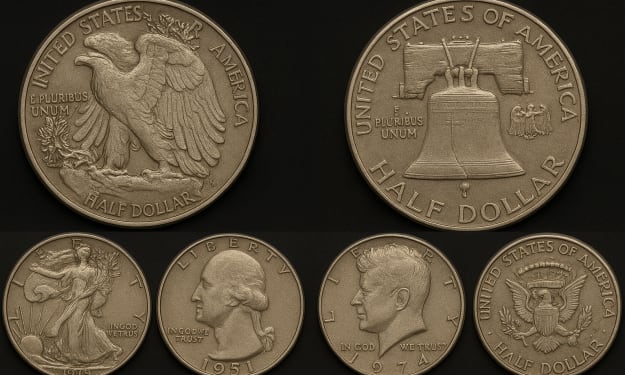
Half Dollars That Defied Time: Kennedy, Franklin & Walking Liberty
If you’ve found yourself holding an old half dollar, you’ve probably wondered: is this just pocket change, or could it be something more? I’ve had that same conversation with countless collectors in my eight years as a numismatist. The answer often hinges on three legendary names: Walking Liberty, Franklin, and Kennedy. More than just silver, these coins are tangible pieces of 20th-century America. This guide will help you understand their stories, values, and which one might be the perfect fit for your goals, whether you're building a collection or an investment.
By Laura Bennett7 days ago in Education
How Early Hustle Jobs Build Real Mental Toughness for Life
Early hustle jobs—like babysitting, mowing lawns, stocking shelves, or working the drive-thru—might seem small on paper, but they often shape big psychological strengths. These first experiences with responsibility, pressure, and real-world expectations can build mental toughness in ways school alone usually can’t.
By David Lipana day ago in Education
Center Stage with Paul Stewart
*** I'm keen to republish the interviews I did for my series with Vocal creators. It's been a few years and I thought it might be nice to revisit these wonderful conversations. I'll be releasing them one at a time for a few weeks/months.
By Heather Hubler6 days ago in Interview



Comments
There are no comments for this story
Be the first to respond and start the conversation.