
Alternative investments: cryptocurrency, art, etc
Alternative investments are assets beyond traditional stocks, bonds, and cash, offering unique opportunities for diversification

Alternative Investments: Cryptocurrency, Art, and More
Alternative investments are assets beyond traditional stocks, bonds, and cash, offering unique opportunities for diversification and potentially high returns. Examples include cryptocurrency, art, collectibles, private equity, and commodities. While they can enhance a portfolio, they often come with higher risks and complexities. This article explores popular alternative investments, their benefits, risks, and considerations for investors.
What Are Alternative Investments?
Alternative investments are non-traditional assets that don’t fit into conventional categories like equities or fixed income. They often have low correlation with stock and bond markets, making them attractive for diversification. However, they may involve higher costs, lower liquidity, and greater volatility.
Common Types of Alternative Investments
Cryptocurrency: Digital currencies like Bitcoin and Ethereum, operating on blockchain technology.
Art: Paintings, sculptures, or other works by established or emerging artists.
Collectibles: Rare items like vintage cars, wine, watches, or trading cards.
Private Equity/Venture Capital: Investments in private companies or startups.
Hedge Funds: Pooled funds using complex strategies to generate returns.
Commodities: Physical assets like gold, silver, or agricultural products.
Real Estate Crowdfunding: Online platforms for investing in property projects.
Peer-to-Peer Lending: Lending money directly to individuals or businesses online.
Benefits of Alternative Investments
Diversification:
Alternatives often move independently of traditional markets, reducing portfolio volatility. For example, gold may rise when stocks fall.
Potential for High Returns:
Assets like cryptocurrency or startup investments can deliver outsized gains. For instance, Bitcoin’s value surged from under $1,000 in 2017 to over $60,000 in 2021.
Inflation Hedge:
Commodities, art, and collectibles often appreciate during inflation, preserving purchasing power.
Tangible Value:
Art, collectibles, and commodities are physical assets, offering a sense of security and intrinsic value.
Unique Opportunities:
Alternatives allow investment in emerging trends (e.g., blockchain) or passion areas (e.g., fine art), combining financial and personal interests.
Risks of Alternative Investments
High Volatility:
Cryptocurrencies can swing dramatically in value. For example, Bitcoin dropped nearly 50% in 2022.
Illiquidity:
Art, collectibles, and private equity often take months or years to sell, unlike stocks traded daily.
High Costs:
Transaction fees (e.g., crypto exchanges), storage costs (e.g., art or wine), or management fees (e.g., hedge funds) can erode returns.
Lack of Regulation:
Cryptocurrency and peer-to-peer lending face less oversight, increasing risks of fraud or market manipulation.
Valuation Challenges:
Art and collectibles lack standardized pricing, making it hard to determine fair value or predict returns.
Complexity:
Hedge funds or private equity require sophisticated knowledge, and even crypto demands understanding of blockchain technology.
Risk of Loss:
Startups may fail, collectibles may lose appeal, and unregulated assets may collapse, leading to significant losses.
Exploring Key Alternative Investments
1. Cryptocurrency
What It Is: Decentralized digital currencies (e.g., Bitcoin, Ethereum) traded on exchanges.
Pros:
High return potential (early Bitcoin investors saw massive gains).
Decentralized, potentially resistant to government control.
Accessible through platforms like Coinbase or Binance.
Cons:
Extreme volatility (e.g., 30%+ daily swings).
Regulatory uncertainty and security risks (e.g., hacks).
Speculative, with value driven by sentiment.
Best For: Risk-tolerant investors comfortable with technology and volatility.
2. Art
What It Is: Investments in paintings, sculptures, or digital art (e.g., NFTs).
Pros:
Potential for appreciation (e.g., a Basquiat painting sold for $110 million in 2017).
Aesthetic and cultural value.
Platforms like Masterworks allow fractional ownership.
Cons:
Illiquid; sales depend on auctions or private buyers.
High costs for storage, insurance, and authentication.
Subjective valuation and market trends.
Best For: Wealthy investors or art enthusiasts with long-term horizons.
3. Collectibles
What It Is: Rare items like vintage cars, rare coins, or Pokémon cards.
Pros:
Strong demand for unique items (e.g., a 1962 Ferrari sold for $51 million in 2023).
Tangible and enjoyable to own.
Platforms like Rally allow fractional investments.
Cons:
Market driven by trends and scarcity, hard to predict.
Maintenance and storage costs.
Risk of fakes or declining popularity.
Best For: Collectors with expertise in specific markets.
4. Private Equity/Venture Capital
What It Is: Investing in private companies or startups, often through funds or platforms like AngelList.
Pros:
High return potential (e.g., early Uber investors saw massive gains).
Access to innovative industries.
Cons:
Highly illiquid, often locked in for 7-10 years.
High risk; many startups fail.
Requires significant capital or accredited investor status.
Best For: High-net-worth investors with risk tolerance.
5. Commodities
What It Is: Physical assets like gold, silver, or oil, often accessed via ETFs or futures.
Pros:
Strong inflation hedge (gold often rises with prices).
Portfolio diversification.
Accessible through funds like SPDR Gold Shares (GLD).
Cons:
Volatile prices driven by global supply-demand.
No income generation (unlike stocks or bonds).
Best For: Investors seeking stability during economic uncertainty.
How to Invest in Alternatives
Research Thoroughly:
Understand the asset’s market, risks, and valuation. For crypto, study blockchain; for art, research artists and trends.
Start Small:
Allocate a small portion (5-10%) of your portfolio to alternatives to limit risk.
Use Platforms:
Crypto: Exchanges like Coinbase or Kraken.
Art/Collectibles: Masterworks, Rally, or auction houses.
Private Equity: AngelList or venture funds.
Commodities: ETFs or brokers like Interactive Brokers.
Diversify Within Alternatives:
Combine crypto, commodities, and art to spread risk, as each behaves differently.
Consult Experts:
Work with advisors for complex assets like private equity or art to avoid costly mistakes.
Alternatives in 2025
As of May 2025, alternative investments are shaped by economic and technological trends. Cryptocurrencies face volatility but gain traction with institutional adoption. Art and collectibles thrive in niche markets, driven by wealth growth. Commodities like gold remain relevant amid inflation concerns. Private equity in AI and clean energy startups is hot but risky. Verify market conditions with reliable sources to align your strategy.
Key Considerations
Risk Tolerance: Alternatives are speculative; only invest what you can afford to lose.
Liquidity Needs: Ensure you have liquid assets for emergencies, as many alternatives are hard to sell.
Tax Implications: Crypto gains or art sales may trigger capital gains taxes; consult a tax advisor.
Due Diligence: Verify authenticity (e.g., art provenance) and platform credibility (e.g., crowdfunding sites).
Portfolio Balance: Alternatives should complement, not dominate, traditional investments.
Conclusion
Alternative investments like cryptocurrency, art, and private equity offer diversification, inflation protection, and high-return potential, but they carry significant risks, including volatility, illiquidity, and complexity. By researching thoroughly, starting small, and diversifying, you can incorporate alternatives into a balanced portfolio. Align your choices with your risk tolerance, goals, and market conditions to maximize their benefits while managing risks.
Disclaimer: This article is for educational purposes only and not financial advice. Consult a financial advisor before investing.
About the Creator
Keep reading
More stories from Mahmoud Abdo and writers in Education and other communities.
Investing in real estate: pros and cons
Investing in Real Estate: Pros and Cons Real estate investing is a popular way to build wealth, offering opportunities for income, appreciation, and diversification. Whether through direct property ownership or indirect methods like Real Estate Investment Trusts (REITs), real estate has unique advantages and challenges. This article explores the pros and cons of real estate investing to help you decide if it’s right for your portfolio.
By Mahmoud Abdo9 months ago in Education
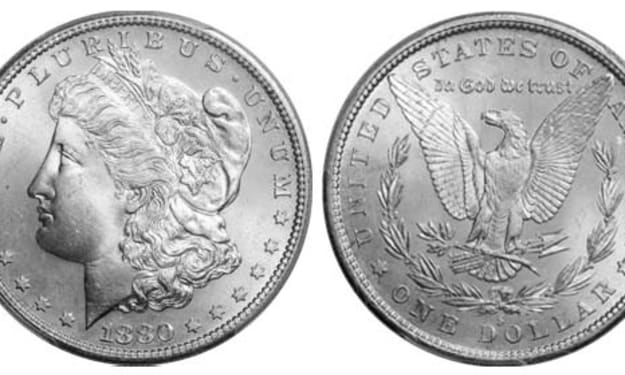
Morgan Silver Dollars: A Beginner's Guide to Identifying Key Dates and Mint Marks
For over eight years as a Senior Numismatic Analyst, I've seen the glint in a new collector's eye when they hold their first Morgan Silver Dollar. It's a powerful feeling—the weight of 90% pure silver, the history in Lady Liberty's profile, the sheer size of America's most iconic coin. Yet, with hundreds of millions minted across 27 years and five mints, it's easy to feel overwhelmed. A common 1921 Morgan might be worth $50, while a pristine 1895 Proof commands over $100,000. The difference lies in the tiny details of dates and mint marks. This guide will give you the foundational map to navigate this classic series, turning confusion into confident identification.
By Laura Bennett5 days ago in Education



Comments
There are no comments for this story
Be the first to respond and start the conversation.