
AI’s Role in Global Conflicts: A New Arms Race?
How Tech Fuels Tensions in Taiwan-China Relations

Introduction
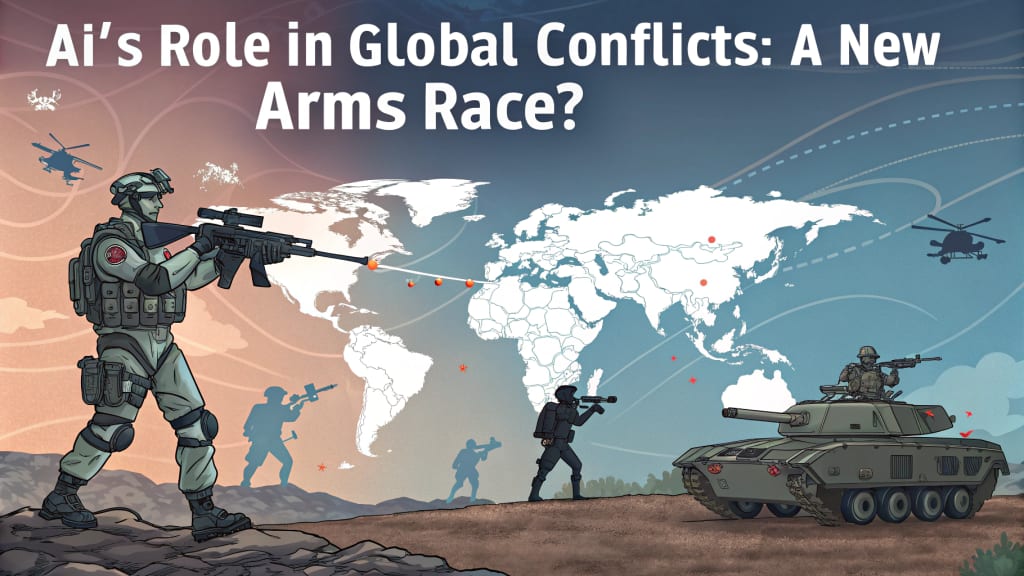
The integration of artificial intelligence (AI) into global conflicts has transformed the dynamics of modern warfare and diplomacy. In the context of Taiwan-China relations, AI technologies are playing a significant role in shaping strategies, enhancing military capabilities, and influencing public opinion. This article examines the impact of AI on the Taiwan-China conflict, discussing both the potential for escalation and opportunities for peacebuilding.
AI as a Tool for Military Advantage
Enhancing Military Capabilities
AI is increasingly being used to enhance military capabilities, offering unprecedented advantages in intelligence gathering, surveillance, and weapons systems. For example, AI-driven drones and autonomous weapons systems can operate with greater precision and efficiency, potentially altering the balance of power. In the Taiwan-China context, advancements in AI could lead to a new arms race, with both sides seeking to gain strategic advantages through technological superiority.
Cyber Warfare and Information Operations
AI also plays a crucial role in cyber warfare and information operations. By analyzing vast amounts of data, AI can identify vulnerabilities, launch targeted cyberattacks, and spread disinformation to manipulate public opinion. In the Taiwan-China conflict, AI-driven disinformation campaigns could exacerbate tensions by fueling nationalist sentiments and undermining trust.
AI in Conflict Resolution and Peacebuilding
Predictive Analysis and Early Warning Systems
Despite its potential for escalation, AI also offers opportunities for conflict resolution and peacebuilding. Predictive analysis using AI can identify early warning signs of conflict, allowing for proactive interventions. In the Taiwan-China context, AI-driven early warning systems could help monitor and predict potential flashpoints, facilitating timely diplomatic efforts to de-escalate tensions.
Enhancing Diplomatic Efforts
AI can support diplomatic efforts by providing data-driven insights and facilitating communication. For example, AI-driven translation and analysis tools can improve the efficiency of diplomatic negotiations by overcoming language barriers and providing real-time insights. In the Taiwan-China context, AI could play a role in fostering dialogue and building mutual understanding, potentially contributing to a more stable and peaceful relationship.
Ethical and Legal Considerations
Accountability and Transparency
The use of AI in conflict raises significant ethical and legal questions about accountability and transparency. Ensuring that AI systems are used responsibly and in compliance with international law is crucial to prevent unintended consequences and protect human rights. In the Taiwan-China context, establishing clear guidelines for the use of AI in military and diplomatic operations could help mitigate risks and build trust.
Bias and Fairness
AI systems can inadvertently exhibit bias, leading to unequal treatment and potential escalation of conflicts. In the Taiwan-China context, addressing AI bias is essential to ensure that technological advancements do not exacerbate existing tensions or create new inequalities.
Conclusion
AI’s role in global conflicts, particularly in the Taiwan-China context, presents both opportunities and challenges. While AI can enhance military capabilities and fuel tensions, it also offers tools for conflict resolution and peacebuilding. Balancing these dual roles requires a nuanced approach that prioritizes ethical considerations, accountability, and transparency. By fostering international cooperation and developing robust regulatory frameworks, the international community can harness the potential of AI to promote peace and stability.
Recommended books
Genesis: Artificial Intelligence, Hope, and the Human Spirit
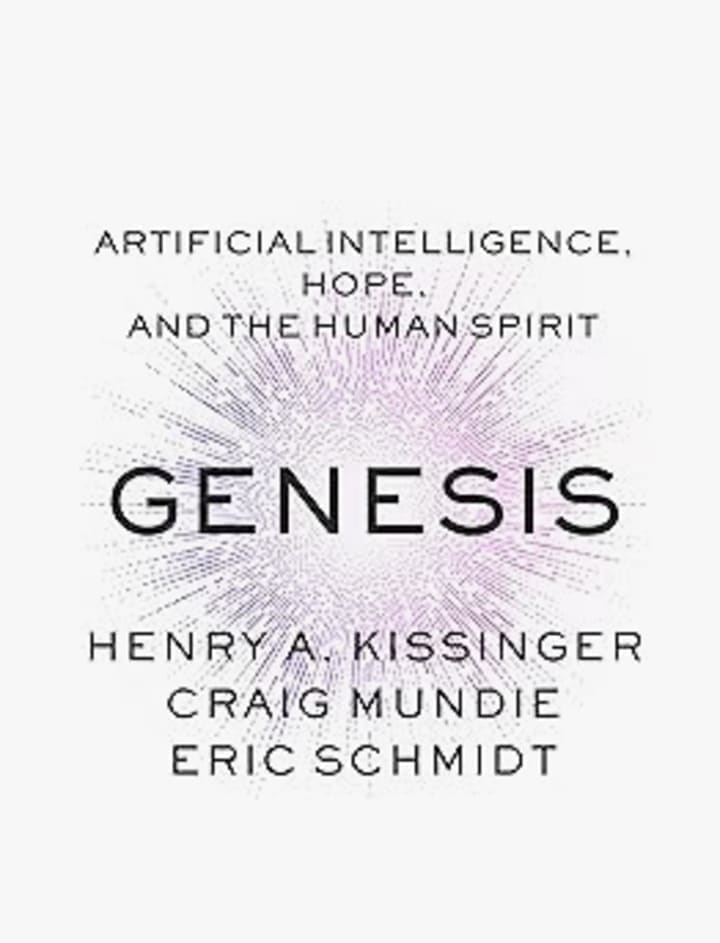
As Artificial Intelligence (AI) becomes more dynamic and ubiquitous, it is dramatically empowering people in all walks of life while also giving rise to urgent questions about the future of humanity—a historic challenge whose contours and consequences are revealed by three eminent thinkers in Genesis.
About the Author: With over a decade of experience as an internet product architect, I’ve spent my career crafting innovative application solutions that bridge technology and real-world needs. Now, as a passionate advocate for artificial intelligence, I focus on exploring its transformative applications. I’m committed to pushing the boundaries of AI to empower lives and shape a smarter future. Join me on this exciting journey as we uncover the endless possibilities of intelligent technology.
About the Creator
roc chiang
I'm a tech enthusiast and entrepreneur based in Vancouver. I share original articles on technology, business and other related topics on social media to showcase my passion and insights.
Editor-in-Chief:fengtou.ca
Keep reading
More stories from roc chiang and writers in Education and other communities.
AI and Data Privacy in Education: Safe or Invasive?
Introduction The rapid integration of artificial intelligence (AI) into educational settings has transformed how students learn and how educators teach. However, this technological advancement also raises significant concerns about student data privacy. As AI-driven tools become more prevalent in smart classrooms, understanding how these systems handle sensitive student data is crucial for maintaining trust and ensuring ethical use.
By roc chiang9 months ago in Education
When Healing Leads the Way: How Outcome-Driven Healthcare Reshapes Systems, Costs, and Trust
Healthcare is at a crossroads. Rising costs, overwhelmed providers, and frustrated patients have exposed deep flaws in systems that prioritize financial performance over human well-being. For decades, success in healthcare was often measured by revenue, service volume, and utilization rates. While economic sustainability is essential, problems arise when profit becomes the primary goal rather than a byproduct of adequate care. Shifting the focus from profits to outcomes fundamentally changes how healthcare operates, who it serves, and how success is defined.
By Evan Weiss St Louis7 days ago in Education
Lean Management Principles in Healthcare: A Practical Guide to Better Patient Care
Lean management principles in healthcare focus on improving patient outcomes by reducing waste, streamlining workflows, and strengthening team collaboration. Originally developed in manufacturing, Lean has become a powerful approach for hospitals, clinics, and medical practices that want to deliver higher-quality care with fewer delays and less frustration.
By Brady Beitlich7 days ago in Education


Comments
There are no comments for this story
Be the first to respond and start the conversation.