
AI in Finance: Empowering Wealth or Widening Gaps?
Does Smart Tech Only Benefit the Elite?


Introduction
The integration of artificial intelligence (AI) into finance has sparked intense debate about its impact on wealth distribution. While AI offers unprecedented opportunities for efficiency and innovation, it also raises critical questions about whether these benefits are accessible to all or concentrated among the wealthy. This article explores the dual nature of AI in finance, examining both its potential to democratize access and its risks of exacerbating wealth inequality.
AI's Benefits in Finance
Enhanced Efficiency and Accessibility
AI has transformed personal finance by providing real-time, personalized financial guidance. Tools like Google Gemini and ChatGPT are democratizing access to sophisticated financial advice, previously reserved for high-net-worth individuals. These platforms enable hyper-personalized investment strategies, allowing advisors to tailor financial plans with unprecedented precision. Additionally, AI-driven robo-advisors automate investment management at low costs, making wealth-building more accessible and efficient for everyone.
Financial Inclusion Initiatives
Efforts to promote financial inclusion have gained momentum, with AI playing a crucial role. The World Bank emphasizes that access to credit, secure savings, and efficient payment services enables small businesses to expand and drive economic development. AI-powered platforms are helping underserved populations access financial services, fostering economic resilience and well-being.
The Dark Side of AI in Finance
Wealth Concentration Among Tech Elites
AI advancements have contributed to the concentration of wealth among tech giants and high-income earners. Studies show that the top 1% of U.S. households experienced a substantial increase in wealth, while the bottom 50% saw only marginal gains, exacerbating the wealth gap. Industries like finance and technology, where AI adoption is high, exhibit significantly higher levels of inequality compared to less automated sectors.
High Costs and Accessibility Barriers
AI solutions often come with high implementation costs, creating barriers for small investors and institutions. This cost barrier means that the benefits of AI are disproportionately enjoyed by large corporations and wealthy individuals, who can afford the advanced tools and infrastructure required for AI-driven strategies.
Algorithmic Bias and Market Manipulation
AI algorithms can perpetuate existing biases if trained on non-diverse datasets. For example, algorithms trained on male-dominated financial histories may disadvantage women. Additionally, AI can be programmed to manipulate markets through practices like spoofing, creating false impressions of demand or supply and artificially influencing prices.
Policy and Regulatory Considerations
Progressive Taxation and Redistribution
Policymakers should consider implementing higher tax rates on capital gains and wealth to redistribute the economic benefits of AI more equitably. Additionally, taxing AI-driven automation could generate revenue for social safety nets, such as unemployment insurance and universal basic income (UBI).
Reskilling and Upskilling Programs
To mitigate the displacement of low-skilled workers, governments and businesses should invest in education and training programs. Partnerships between educational institutions and tech companies can provide affordable pathways for displaced workers to transition into high-demand roles in AI and technology.
Transparent and Ethical AI Development
Developers must address algorithmic bias through regular audits and diverse training datasets. Ensuring transparency in AI decision-making processes is critical to building trust and preventing market manipulation.
Conclusion
AI in finance holds the potential to revolutionize wealth management by enhancing efficiency and accessibility. However, its benefits are not evenly distributed, and there is a significant risk of exacerbating wealth inequality. By implementing progressive policies, fostering inclusive innovation, and ensuring ethical AI development, we can harness AI's benefits while creating a more equitable financial future for all. The path forward requires a balanced approach where technology and equity go hand in hand.
Recommended books
Genesis: Artificial Intelligence, Hope, and the Human Spirit
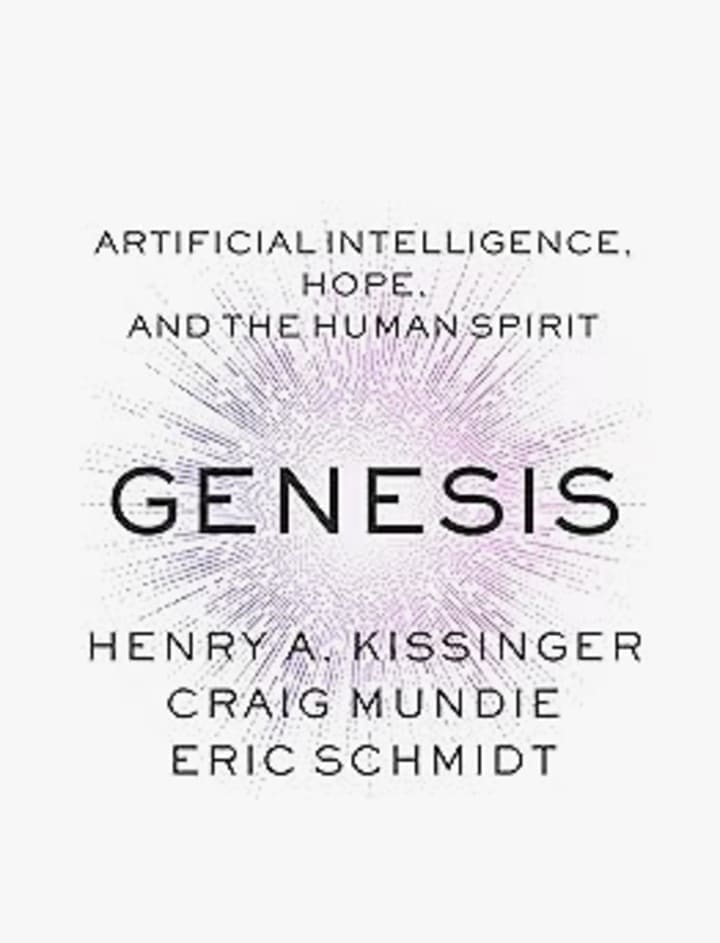
As Artificial Intelligence (AI) becomes more dynamic and ubiquitous, it is dramatically empowering people in all walks of life while also giving rise to urgent questions about the future of humanity—a historic challenge whose contours and consequences are revealed by three eminent thinkers in Genesis.
About the Author: With over a decade of experience as an internet product architect, I’ve spent my career crafting innovative application solutions that bridge technology and real-world needs. Now, as a passionate advocate for artificial intelligence, I focus on exploring its transformative applications. I’m committed to pushing the boundaries of AI to empower lives and shape a smarter future. Join me on this exciting journey as we uncover the endless possibilities of intelligent technology.
About the Creator
roc chiang
I'm a tech enthusiast and entrepreneur based in Vancouver. I share original articles on technology, business and other related topics on social media to showcase my passion and insights.
Editor-in-Chief:fengtou.ca
Keep reading
More stories from roc chiang and writers in Education and other communities.
AI Trading Bots: Genius or Market Manipulator?
Introduction The integration of artificial intelligence (AI) into financial markets has transformed trading dynamics, offering unprecedented speed and efficiency. However, this technological advancement also raises critical questions about market stability and ethical practices. This article explores the dual nature of AI trading bots, examining both their benefits and the risks they pose to financial markets.
By roc chiang9 months ago in Education
Half Dollars That Defied Time: Kennedy, Franklin & Walking Liberty
If you’ve found yourself holding an old half dollar, you’ve probably wondered: is this just pocket change, or could it be something more? I’ve had that same conversation with countless collectors in my eight years as a numismatist. The answer often hinges on three legendary names: Walking Liberty, Franklin, and Kennedy. More than just silver, these coins are tangible pieces of 20th-century America. This guide will help you understand their stories, values, and which one might be the perfect fit for your goals, whether you're building a collection or an investment.
By Laura Bennett6 days ago in Education
How Early Hustle Jobs Build Real Mental Toughness for Life
Early hustle jobs—like babysitting, mowing lawns, stocking shelves, or working the drive-thru—might seem small on paper, but they often shape big psychological strengths. These first experiences with responsibility, pressure, and real-world expectations can build mental toughness in ways school alone usually can’t.
By David Lipanabout 20 hours ago in Education
Center Stage with Paul Stewart
*** I'm keen to republish the interviews I did for my series with Vocal creators. It's been a few years and I thought it might be nice to revisit these wonderful conversations. I'll be releasing them one at a time for a few weeks/months.
By Heather Hubler6 days ago in Interview



Comments
There are no comments for this story
Be the first to respond and start the conversation.