
AI in Education: Empowering or Over-Controlling Kids?
The Fine Line Between Learning and Surveillance

Introduction
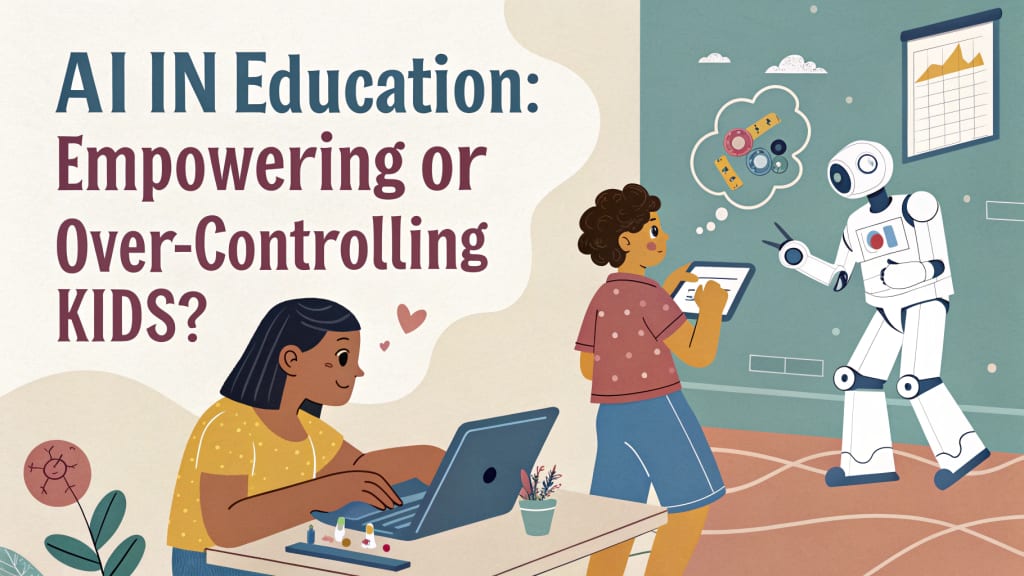
The integration of artificial intelligence (AI) into education has the potential to significantly enhance learning experiences, but it also raises critical concerns about student privacy and the potential for over-surveillance. As AI becomes more prevalent in classrooms and online learning platforms, it is essential to strike a balance between leveraging its benefits and protecting students' rights and well-being。
The Benefits of AI in Education
Personalized Learning
AI-driven platforms can tailor educational content to meet individual student needs, adjusting the difficulty and pace of lessons to optimize learning outcomes。For example, adaptive learning systems like those used by Arizona State University use machine learning algorithms to offer personalized curricula, leading to higher engagement and better performance。These tools can also provide instant feedback and gamified progress tracking, keeping students motivated。
Support for Special Needs
AI can assist children with learning difficulties, such as dyslexia or ADHD, by providing tailored content and feedback。Additionally, AI-powered tools can help develop social and linguistic skills in children with autism through human-computer interaction technologies like robotic assistants。
Cognitive Development
Interactive AI systems can stimulate cognitive development by encouraging critical thinking and problem-solving skills。Engaging with these tools can foster curiosity and creativity in children as they explore new subjects。
Challenges and Ethical Considerations
Privacy and Data Concerns
AI tools often collect personal data, raising significant privacy concerns。Parents and educators must be aware of how and where children's information is stored and used to ensure data security。
Social and Emotional Development
Over-reliance on AI can limit real-world communication and collaboration with peers。Children may also feel less motivated to engage in challenging discussions when interacting with AI, as it lacks the depth and responsiveness of human conversations。
Surveillance and Autonomy
AI surveillance systems in educational settings can monitor student actions and predict future behavior。While these systems can enhance security, they also raise concerns about privacy and student autonomy。Constant monitoring may make students feel unsafe to express their ideas。
Balancing the Positive and Negative Effects of AI
Set Clear Screen Time Limits
Encourage breaks and schedule offline activities like outdoor play or reading to reduce excessive screen time。
Choose High-Quality Apps
Use tools that offer educational value and avoid those filled with ads or mindless content。
Stay Involved
Talk to your child about what they’re learning and encourage them to ask questions or reflect on what they discover。
Encourage a Mix of Learning Methods
Combine AI-based tools with traditional learning and hands-on activities to ensure a well-rounded education。
Teach Digital Responsibility
Help kids understand the importance of online privacy, respectful communication, and balanced usage。
Conclusion
AI has the potential to revolutionize education by enhancing learning experiences and supporting student development. However, addressing challenges related to privacy, social interaction, and ethical considerations is crucial to ensuring that these technologies benefit students without compromising their well-being. By fostering a balanced approach and prioritizing ethical AI practices, we can harness the full potential of AI to create a more engaging and inclusive educational landscape。
Recommended books
Genesis: Artificial Intelligence, Hope, and the Human Spirit
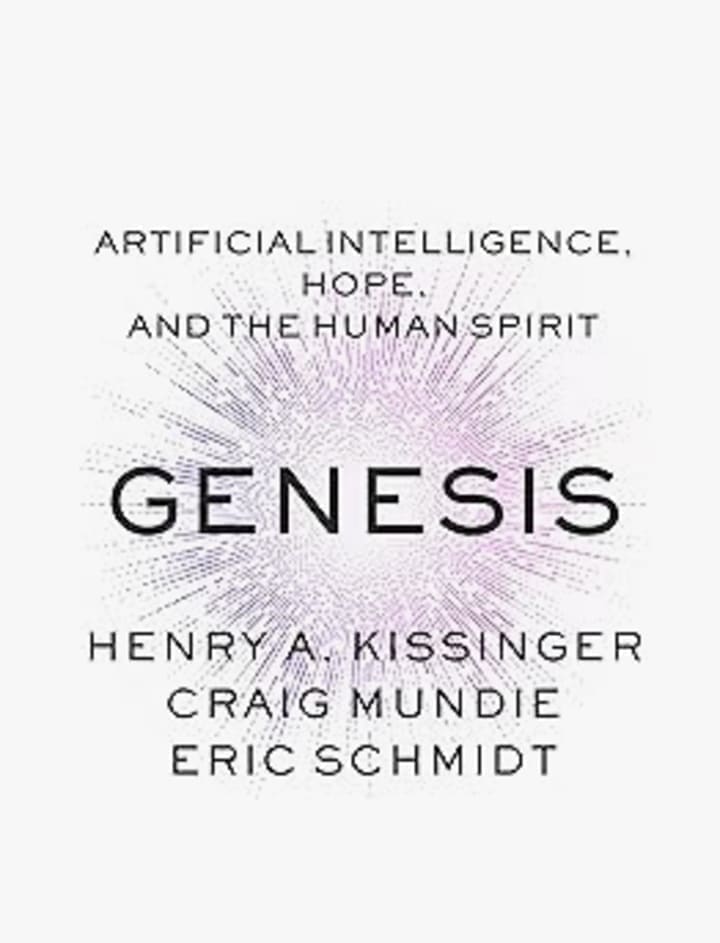
As Artificial Intelligence (AI) becomes more dynamic and ubiquitous, it is dramatically empowering people in all walks of life while also giving rise to urgent questions about the future of humanity—a historic challenge whose contours and consequences are revealed by three eminent thinkers in Genesis.
About the Author: With over a decade of experience as an internet product architect, I’ve spent my career crafting innovative application solutions that bridge technology and real-world needs. Now, as a passionate advocate for artificial intelligence, I focus on exploring its transformative applications. I’m committed to pushing the boundaries of AI to empower lives and shape a smarter future. Join me on this exciting journey as we uncover the endless possibilities of intelligent technology.
About the Creator
roc chiang
I'm a tech enthusiast and entrepreneur based in Vancouver. I share original articles on technology, business and other related topics on social media to showcase my passion and insights.
Editor-in-Chief:fengtou.ca
Keep reading
More stories from roc chiang and writers in Education and other communities.
AI and Job Automation: Progress or Social Crisis?
Introduction As we step into 2025, the impact of artificial intelligence (AI) and automation on the global workforce is becoming increasingly pronounced. While AI promises to enhance productivity and create new opportunities, it also raises significant concerns about job displacement and economic inequality. This article explores the dual nature of AI's impact on employment, examining both the potential benefits and the challenges that lie ahead.
By roc chiang8 months ago in Education
The One Lighting Move That Instantly Makes Your Photos Look Better
Photography advice often focuses on complex settings, advanced editing, or buying better equipment. While those things can help, they often distract from something far more powerful and immediate. One simple lighting habit can dramatically improve almost every photo you take, whether you’re shooting with a phone or a professional camera.
By Kelln Smallabout 22 hours ago in Education
Managing Anxiety During Exams: A Student’s Guide
Exams are one of the most common sources of stress for students at every level. Even the most prepared individuals often feel nervous before or during a test. Exam anxiety is natural — it’s the body’s way of preparing for a challenge — but excessive stress can interfere with focus, memory recall, and overall performance. Understanding the causes of anxiety and learning effective coping strategies can make a significant difference. This guide provides practical, evidence-based techniques to manage stress before, during, and after exams.
By Games Mode On2 days ago in Education



Comments (1)
AI in education has benefits like personalized learning but also raises privacy concerns. We need to use it carefully. Over-reliance on AI might limit kids' social skills. We should ensure it enhances, not replaces, real interaction.