
AI and Job Loss: Progress or Peril?
Is Technology Stealing Our Livelihoods?

Introduction
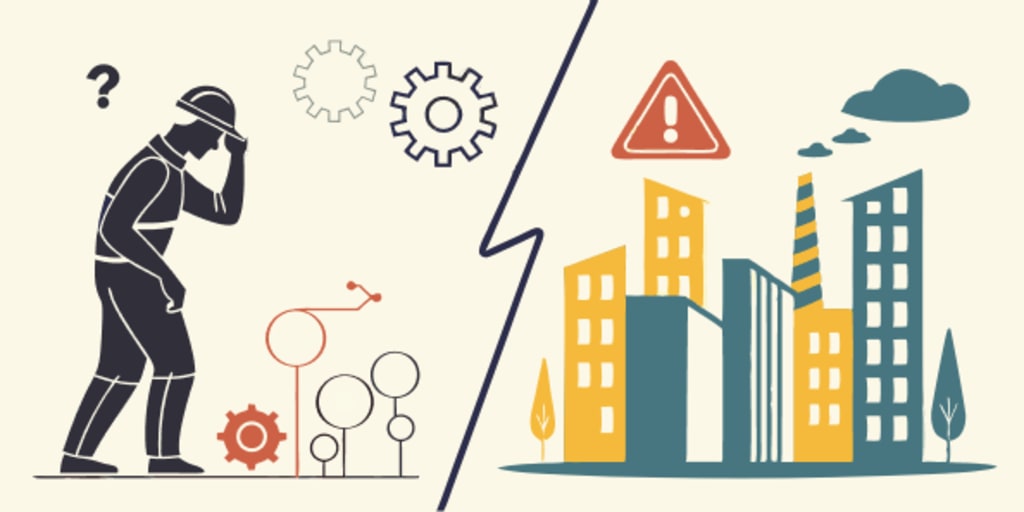
The integration of artificial intelligence (AI) into the workforce has sparked intense debate about its impact on employment. While AI promises to enhance productivity and innovation, it also raises concerns about job displacement and economic inequality. This article examines the evidence and ethical considerations surrounding AI's effect on jobs, discussing both the risks and opportunities.
AI's Impact on Employment
Job Displacement
AI is already displacing jobs in several sectors. According to a report by the World Economic Forum, 41% of companies plan to reduce their workforces by 2030 due to AI. This is particularly evident in industries like manufacturing, transportation, and customer service, where repetitive and routine tasks are being automated. For example, AI-powered robots and assembly lines have significantly reduced the need for human labor in manufacturing facilities. Similarly, autonomous vehicles and drones are transforming the transportation and logistics sectors, potentially displacing drivers and warehouse workers.
Job Creation
While AI is displacing certain jobs, it is also creating new opportunities. The adoption of AI technologies often requires specialized skills, leading to increased demand for roles in AI development, data analytics, and technology maintenance. Additionally, AI can enhance human labor by automating routine tasks, allowing workers to focus on more complex and creative aspects of their jobs. For instance, in healthcare, AI assists doctors with diagnostics and treatment planning, but it cannot replace the human touch in patient care.
Ethical and Social Implications
Economic Inequality
AI's benefits are not evenly distributed, potentially exacerbating existing inequalities. High-skilled workers in AI-related fields may see increased demand and wages, while low-skilled workers face higher risks of displacement. This could widen the gap between different socioeconomic groups, creating a more divided society.
Social Disruption
Communities dependent on industries heavily affected by AI may face significant economic decline. For example, manufacturing towns that rely on factory jobs may struggle as automation reduces the need for human labor. This can lead to increased unemployment rates and social unrest, highlighting the need for proactive measures to support affected workers and communities.
Corporate Responsibility
Companies adopting AI have an ethical responsibility to consider the broader impact of job displacement. This includes providing retraining programs and supporting workers in transitioning to new roles. Initiatives like reskilling and upskilling can help workers adapt to the changing job market and reduce the negative effects of AI on employment.
Future Outlook
Policy Interventions
Governments should strengthen social safety nets and consider universal basic income to support displaced workers. Additionally, policies promoting education and training initiatives can help workers acquire the skills needed for AI-driven jobs.
Education and Reskilling
Investing in education and training programs is crucial to help workers transition to new roles in the AI-driven economy. This includes providing affordable access to higher education and vocational training focused on in-demand skills.
Responsible AI Deployment
Companies should focus on using AI to augment human capabilities rather than replace workers. This approach not only enhances efficiency but also preserves the human element essential for many jobs. By thoughtfully integrating AI into workflows, businesses can create a more balanced and productive work environment.
Conclusion
AI's impact on employment is complex and multifaceted. While there are legitimate concerns about job displacement, evidence suggests AI is more often transforming jobs rather than eliminating them entirely. By implementing thoughtful policies, education initiatives, and responsible AI practices, society can harness AI's benefits while minimizing its disruptive effects on employment. The future of work lies in creating an environment where technology and humanity coexist harmoniously, ensuring that AI serves as a force for good in the evolving job market.
Recommended books
Genesis: Artificial Intelligence, Hope, and the Human Spirit
As Artificial Intelligence (AI) becomes more dynamic and ubiquitous, it is dramatically empowering people in all walks of life while also giving rise to urgent questions about the future of humanity—a historic challenge whose contours and consequences are revealed by three eminent thinkers in Genesis.
About the Author: With over a decade of experience as an internet product architect, I’ve spent my career crafting innovative application solutions that bridge technology and real-world needs. Now, as a passionate advocate for artificial intelligence, I focus on exploring its transformative applications. I’m committed to pushing the boundaries of AI to empower lives and shape a smarter future. Join me on this exciting journey as we uncover the endless possibilities of intelligent technology.
About the Creator
roc chiang
I'm a tech enthusiast and entrepreneur based in Vancouver. I share original articles on technology, business and other related topics on social media to showcase my passion and insights.
Editor-in-Chief:fengtou.ca
Keep reading
More stories from roc chiang and writers in Education and other communities.
AI Bias: A Threat to Fairness Everywhere?
Introduction The integration of artificial intelligence (AI) into critical sectors like recruitment and education has brought transformative potential, but it also raises significant concerns about fairness and equity. AI systems, while promising efficiency and innovation, can inadvertently perpetuate and amplify societal biases, leading to discriminatory outcomes. This article explores the manifestations of AI bias in recruitment and education, its implications, and strategies to mitigate its impact.
By roc chiang9 months ago in Education
Smart Home Plumbing Habits That Protect Your Pipes
Owning a home brings pride and comfort. It also brings responsibility. Plumbing is one of the most critical systems in any house. Small mistakes can lead to leaks, damage, and high repair costs. This guide shares essential plumbing tips every homeowner should know. The goal is to help you avoid trouble and keep your home running smoothly.
By Lickety Split7 days ago in Education
Best Advice for Home Buying in 2026
If you're considering buying a home in 2026, this is probably the top advice you could have. Whether this is your first home or your last home or anywhere in between, some of these things might be a given, some you probably already know, but some are important for 2026. Regardless, here's the best advice for home buying in 2026.
By Tammy Eminetha day ago in Education


Comments
There are no comments for this story
Be the first to respond and start the conversation.