
AI Bias: A Threat to Fairness Everywhere?
How Algorithms Reinforce Inequality

Introduction
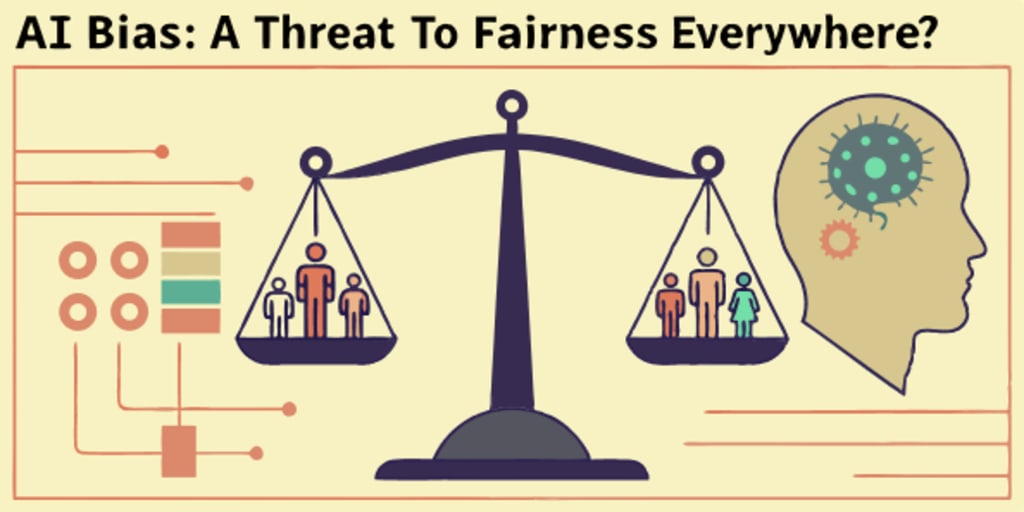
The integration of artificial intelligence (AI) into critical sectors like recruitment and education has brought transformative potential, but it also raises significant concerns about fairness and equity. AI systems, while promising efficiency and innovation, can inadvertently perpetuate and amplify societal biases, leading to discriminatory outcomes. This article explores the manifestations of AI bias in recruitment and education, its implications, and strategies to mitigate its impact.
AI Bias in Recruitment
Systematic Discrimination
AI-driven recruitment tools can unintentionally discriminate against candidates from underrepresented groups. These tools often rely on historical data that reflects past biases, leading to systematic exclusions. For example, AI systems trained on biased hiring data may favor candidates from specific universities or backgrounds, disadvantaging those from less prestigious institutions or non-traditional academic paths. This can perpetuate racial or ethnic biases, as seen in cases where training data is skewed toward candidates from wealthier socioeconomic backgrounds.
Gender and Racial Bias
Research indicates that AI hiring tools can exhibit regressive gender stereotypes, such as favoring male candidates for technical roles. Similarly, systems trained on biased datasets may penalize candidates with names or experiences associated with underrepresented racial groups. These biases not only exclude qualified individuals but also hinder companies' efforts to build diverse and innovative teams.
AI Bias in Education
Systemic Inequities
AI systems in education often reflect the biases embedded in their training data, potentially disadvantaging students from underrepresented or marginalized backgrounds. Automated essay scoring systems, for instance, have been found to systematically underrate the work of Black and Hispanic students compared to their peers. Language-learning tools may also underperform for students with non-standard accents or dialects, further entrenching systemic inequalities.
Performance Bias
Performance bias occurs when AI tools do not perform equally well for all subgroups of users. This can lead to unfairly low grades for certain students or misidentification of those needing intervention, potentially widening achievement gaps. Unlike human bias, which may be inconsistent, AI bias is systematic and widespread, risking the entrenchment of inequities across entire education systems.
Solutions to Combat AI Bias
Diversify Training Data
One of the most effective ways to combat AI bias is to ensure training data is inclusive and representative of a wide range of candidates. This includes data from diverse racial, ethnic, gender, socioeconomic, and educational backgrounds.
Regular Bias Audits
Frequent and thorough audits of AI systems should be conducted to identify patterns of bias and discrimination. This involves examining the algorithm's outputs, decision-making processes, and its impact on different demographic groups.
Fairness-Aware Algorithms
Implement AI software that incorporates fairness constraints and is designed to consider and mitigate bias. This can include integrating fairness metrics such as equal opportunity, modifying training data to show less bias, and adjusting model predictions based on fairness criteria to increase equity.
Human Oversight
Maintain human oversight over AI-driven decisions, particularly in critical areas like final hiring choices or educational assessments. Human judgment can provide a necessary check against algorithmic errors and ensure decisions align with ethical considerations.
Transparent Algorithms
Seek AI solutions that offer insight into their algorithms and decision-making processes. Transparency makes it easier to identify and address potential biases, fostering trust and accountability.
Multidisciplinary Approach
Addressing AI bias requires collaboration across disciplines, involving ethicists, social scientists, and experts who understand the nuances of each application area. This holistic approach ensures that AI systems are designed with fairness and inclusivity at their core.
Conclusion
AI has the potential to revolutionize recruitment and education, but its benefits must be carefully balanced against the risks of reinforcing inequality. By adopting strategies that prioritize inclusivity, transparency, and human oversight, we can harness AI's power while ensuring it serves as a force for good. The future of fair and equitable systems in recruitment and education depends on proactive measures to mitigate AI bias and create inclusive environments where everyone has the opportunity to thrive.
Recommended books
Genesis: Artificial Intelligence, Hope, and the Human Spirit
As Artificial Intelligence (AI) becomes more dynamic and ubiquitous, it is dramatically empowering people in all walks of life while also giving rise to urgent questions about the future of humanity—a historic challenge whose contours and consequences are revealed by three eminent thinkers in Genesis.
About the Author: With over a decade of experience as an internet product architect, I’ve spent my career crafting innovative application solutions that bridge technology and real-world needs. Now, as a passionate advocate for artificial intelligence, I focus on exploring its transformative applications. I’m committed to pushing the boundaries of AI to empower lives and shape a smarter future. Join me on this exciting journey as we uncover the endless possibilities of intelligent technology.
About the Creator
roc chiang
I'm a tech enthusiast and entrepreneur based in Vancouver. I share original articles on technology, business and other related topics on social media to showcase my passion and insights.
Editor-in-Chief:fengtou.ca
Keep reading
More stories from roc chiang and writers in Education and other communities.
Should AI Have Rights in the Future?
Introduction The integration of artificial intelligence (AI) into society has sparked intense debate about whether these entities should be granted legal rights. While AI's capabilities continue to evolve, questions about its moral status, autonomy, and consciousness remain central to this discussion. This article explores the arguments for and against granting AI legal rights, examining the ethical, legal, and societal implications.
By roc chiang10 months ago in Education
Core Skills Every Finance Professional Needs Today
Financial analysis is one of the most critical abilities for anyone working in finance today. Companies rely on clear and accurate financial information to make smart business decisions. Finance professionals must understand how to read numbers, study trends, and guide action based on facts. These must-have financial analysis skills help workers become stronger, more confident, and more valuable in their roles. When used well, these skills support better planning, lower risk, and long-term success. Because of this, developing strong financial analysis skills is essential for finance professionals at every level.
By Andrew Lake6 days ago in Education
Navigating the Most Complex Heart Conditions
Cardiology is advancing at a remarkable pace, thanks to next-generation imaging technologies that allow doctors to see the heart in extraordinary detail. For patients with complex or rare cardiac conditions, these tools provide insights that traditional methods often miss. By combining structural, functional, and metabolic imaging, physicians can make accurate diagnoses, plan effective treatments, and monitor progress with unprecedented precision. Modern cardiac imaging is redefining how heart disease is detected and managed.
By Nishi Patel7 days ago in Education
Ludacris and Nelly draw backlash over bookings at MAGA-coded music festival
Ludacris and Nelly headlining a mostly right-wing event is good for them. It’s also great for the genre of hip hop. The two rap veterans have showcased their talents on other stages. Why can’t they perform for mostly MAGA folks and grab that bag?
By Skyler Saunders6 days ago in Beat


Comments
There are no comments for this story
Be the first to respond and start the conversation.