
A Few Behaviors That IMPACT Your Sleep
Education
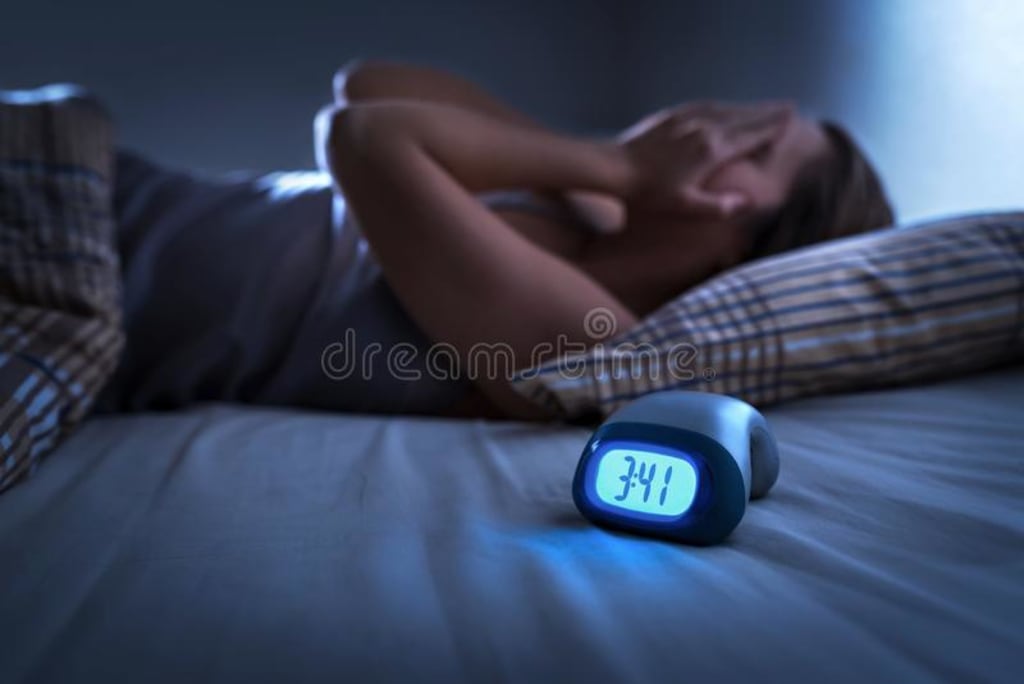
It's not always easy to sleep. Your ability to sleep well and for long periods of time is influenced by several things. While others make it worse, certain things help you sleep better. Simply changing a few of your routines might be the difference between a restful night's sleep and one spent tossing and turning. Since these behaviors are causing your sleep to be ruined, I'll explain them in this video. Even while certain behaviors are worse than others, getting a decent night's sleep is nearly always possible if you can avoid all of them. Your knowledge and comprehension of both are crucial. So let's investigate some practices that may be preventing you from getting enough sleep.
#1 Caffeine and Nicotine.
The stimulant caffeine is found in beverages like cola, coffee, some teas, and chocolate. I adore coffee. Every morning, I enjoy a cup because it is delicious. And it's okay to consume it once or twice per day. The issue arises when you consume this caffeinated beverage six times per day, with the final serving occurring with dinner. Given that it can take up to six hours for just half of the caffeine in your system to be eliminated, caffeine has a relatively long half-life in the human body. Therefore, if you regularly drink coffee or cola, it's possible that your caffeine-containing beverage is making it difficult for you to fall or stay asleep. Because of this, it's best to drink your final cup eight hours before bed. In this manner, you give your body a chance to eliminate the majority of the caffeine from your system and avoid having it interfere with your ability to fall asleep. Most often found in cigarettes, nicotine is a stimulant like caffeine. Therefore, compared to non-smokers, smokers frequently have very light sleep. Smokers also frequently miss out on sleep and wake up early in the morning. Nicotine withdrawal is to blame for that. The body of a smoker becomes so accustomed to receiving nicotine that it wakes them up, craving more. Because it is a drug, it does sound somewhat similar. In order to improve your sleep, you may want to quit smoking if you do it frequently.
#2 Drinking too Much Liquid Before Bed.
Even though staying hydrated is essential for good health, it is advisable to limit your fluid intake in the late evening. That's because consuming too much liquid at night may result in frequent urination-related awakenings. Your body typically recognizes that nights are for sleeping and not going to the bathroom. However, if you drink excessively and your bladder is full, you'll wake up to go to the bathroom. You don't want that to occur because it might occur in the middle of a sleep cycle, messing up the quality of your sleep and causing you to wake up exhausted. Therefore, try to avoid drinking anything for a couple of hours before bed. In order to reduce your likelihood of awakening in the middle of the night, you should also use the restroom just before going to bed.
#3 Electronic Devices.
Electronics can interfere with your ability to sleep in one of two ways. They are stimulating first and foremost. I am aware that many people watch TV before going to bed. It might seem like a simple, uninteresting activity. Your brain is exploding in some areas, though. Instead of helping your brain unwind before bed, watching TV or YouTube on your phone actually stresses it out. It is advised that you swap out this activity for one that is less stimulating. What the hell are you supposed to do now, if not watch TV or browse the internet? you might be asking. Reading, completing crossword puzzles or puzzles in a journal, journaling, relaxing while listening to music, or simply thinking are a few ideas. You'll fall asleep much more quickly if you engage in any of these less stimulating activities rather than using your phone or watching TV. Second, blue light produced by electronics disrupts your circadian rhythm and impairs your ability to sleep. This occurs as a result of the blue light's ability to mimic sunlight. Your body is essentially tricked into believing it is daytime. Melatonin, a hormone associated with sleep, produces less naturally as a result. You may experience nighttime sleepiness due in part to melatonin. You will be tossing and turning in bed for a while if that natural release is taken away. Therefore, avoid using your computer, smartphone, or TV before bed. Now it's advisable to block out all of that blue light if you need to use your computer or phone for something crucial. For this reason, I always advise using blue light blocking software, such as f . lux for computers and Twilight for Android phones. Even though it isn't as well-known as other filters, Apple's IOS already has an app called Night Shift. By turning your screen orange or red, these applications filter out the majority of blue light. Blue-light-blocking glasses are an additional option for protection. But it's insufficient. If your sleep is important to you, you should put away all screens at least an hour before bed.
#4 Using Any Kind of Light at Night
Your sleep is disrupted by more than just the blue light from your electronics. But because they tend to be too bright, regular overhead lights also do this. In the past, the sun was the only source of light available to our ancestors. Since the development of electricity, that has altered. However, because of how unchanged our bodies are, they mistake artificial light for sunlight. The timing, rather than the exposure to artificial light, is now the issue. As a result, it is important to manage the timing so that it closely resembles the natural cycle of day and night. Turn off all the bright lights in your house two hours before bedtime because of this. Use atmospheric lights instead that have dimmable brightness controls. A red light bulb should be used in place of your standard ones, if at all possible. Red light is preferred because it doesn't interfere with the release of the melatonin hormone like other colors of light do.
#5 Lying In Bed Awake
Get out of bed if you've been in bed for more than 20 minutes and are still awake, or if you start to feel anxious or worried. It may be more difficult to fall asleep if you are worried about not being able to sleep. Instead, spend some time relaxing in a different room of the house while you wait to nod off. Avoid using computers or watching TV during the activity as it should not be stimulating. Pick out a dull book or an outdated magazine to read instead. You could also choose to practice meditation or take deep breaths to let any tension go. Regardless of what you decide to do, leave your bed and come back when you feel sleepy. When your eyelids become heavy and begin to close on their own, that is what it means. Simply avoid lying in bed awake as this can lead to an unhealthy association between your sleep environment and wakefulness.
#6 Your Alarm Clock
One of the main causes of morning fatigue is the alarm clock. Sleep cycles, which generally last 90 minutes, are the building blocks of your slumber. When you allow your body to wake up on its own, the sleep cycle has just finished. It's a good sign that you won't feel sleepy when you wake up if the alarm goes off at this time. You will undoubtedly feel exhausted if you are awakened in the middle of a sleep cycle. Whether the cycle has already ended or is still in progress is unknown to your alarm. Whatever happens, the phone will ring. An excellent alternative to a standard alarm is the "Sleep Cycle" app, which you can download on your phone. It uses the microphone on your smartphone to pick up your movements and determine what stage of sleep you're in. When the cycle is about to end, it will then attempt to gently wake you up. It's not a perfect app, but try your best. However, if it's possible, you should forgo all alarms and just go to sleep. That's because even if you awaken at the end of your sleep cycle, it doesn't necessarily mean you slept enough.
#7 Daytime Napping
Evidence shows that naps are incredibly beneficial for your physical and mental endurance, especially if you're tired. When you most need a boost, they can assist in giving you one. However, there are two ways that napping can actually be a double-edged sword. The first is that you'll wake up feeling worse than before the nap if you unintentionally enter deeper sleep stages. In a sense, you are beginning the sleep process, but not fully engaging it. Because of this, taking a brief power nap is acceptable, but avoid sleeping for more than 15 to 20 minutes. Second, while awake during the day, you accumulate something known as sleep pressure. As the day wears on, adenosine, a chemical, causes you to feel tired. And because adenosine makes you sleepy, you can fall asleep at night easily. Now, when you do fall asleep, your brain releases that sleep pressure, allowing you to awaken the following morning feeling rejuvenated. However, if you take a nap during the day, particularly if it is too late in the afternoon, you may actually release some of that sleepiness, which will make it much harder for you to get to sleep and stay asleep all night. Because some of the adenosine was cleared out, you are not as sleepy. Naps are acceptable if you don't have trouble falling asleep at night. You should avoid taking naps and work on increasing your sleep pressure in the evening if you do have trouble falling or staying asleep at night.
#8 Alcohol
Anyone who occasionally consumes alcohol is aware that drinking beer, wine, or spirits can make you feel sleepy. In fact, up to 20% of Americans report using alcohol to aid in sleep. Alcohol can hasten your ability to fall asleep, but it also lowers the quality of your sleep. The sleep becomes less peaceful, especially in the later hours of the night. Alcohol keeps you in the lighter stages of sleep, preventing you from getting restorative sleep. And these effects become more apparent the more you drink before bed. The diuretic properties of alcohol present another issue. As a result, the likelihood that you will wake up in the middle of the night to urinate is increased. And as I've already mentioned in one of my earlier points, this causes an interruption in your sleep cycle, which increases the likelihood that you'll wake up feeling exhausted and disoriented. Additionally, you frequently wake up in the middle of the night when the effects of alcohol wear off in addition to when you need to use the restroom. In order to avoid falling asleep more quickly, you should avoid drinking alcohol before bed.
#9 Bad Eating Habits
Your nighttime sleep is influenced by what you eat. In a rigorously controlled study of healthy adults, a four-day diet high in sugar and other carbohydrates caused fewer deep sleep episodes and more nighttime awakenings. Because of this, it is advised that you avoid diets that place an undue emphasis on carbohydrates, especially sugar. There is probably nothing surprising there. It's not far off from the truth that sugar has been compared to poison. However, how much you eat also has an impact on how well you sleep. It is more difficult to fall asleep normally and there is less deep sleep at night when there is severe caloric restriction, such as eating only 800 calories per day for a month. Because your body doesn't want you to sleep when you're hungry, this is what happens. In order to prevent starvation, it wants you to get up and find some food. In light of this, you ought to avoid eating a lot at night. A small snack is acceptable, but a substantial meal can result in indigestion, which again disrupts sleep. Because digestion slows down significantly during the night, if you are too full, your stomach will have a harder time breaking down all the food. Therefore, you should avoid being too hungry or too full before going to bed.
#10 Taking Sleeping Pills
Ten million Americans have ingested sleeping pills in the previous month. However, it should be noted that sleeping pills do not induce deep sleep. Instead, they prevent the higher regions of the cortex in your brain from firing any brain cells. In other words, sleeping pills make you fall asleep. But that doesn't mean you're actually dozing off. Just sedating you will do. Additionally, a meta-analysis of all studies that have been published about sleeping pills has revealed that there was no difference in how well the subjects actually slept. I won't even begin to list all the negative effects that sleeping pills have. It's best to stay away from them completely. Simply put, sound sleep practices cannot be replaced by sleeping pills. I'm not anti-medication, but there isn't currently any medication that could improve our ability to fall asleep naturally. For the time being, at least.
About the Creator
KeepMakingProgress
"Keep Making Progress" is a call to action, a reminder that growth is a lifelong journey with no fixed destination. It encourages us to embrace change, overcome obstacles, foster innovation, and contribute to the society.
Keep reading
More stories from KeepMakingProgress and writers in Education and other communities.
Science Experiment Demonstrates the Existence of the Afterlife
Everybody has given some thought to what happens after death. No one knows for sure what happens to your consciousness or spirit after you die; whether we go to a place in the sky where we are welcomed by family and friends, whether we get reincarnated as a lovely butterfly, or whether there is nothing at all. However, researchers like Sam Parnia at NYU Langone Health have found evidence that suggests consciousness may survive the death of the body. Let's find out if science can demonstrate the existence of consciousness after the death of the body. Is this evidence for an afterlife?
By KeepMakingProgress3 years ago in Education
The One Lighting Move That Instantly Makes Your Photos Look Better
Photography advice often focuses on complex settings, advanced editing, or buying better equipment. While those things can help, they often distract from something far more powerful and immediate. One simple lighting habit can dramatically improve almost every photo you take, whether you’re shooting with a phone or a professional camera.
By Kelln Small5 days ago in Education
Managing Anxiety During Exams: A Student’s Guide
Exams are one of the most common sources of stress for students at every level. Even the most prepared individuals often feel nervous before or during a test. Exam anxiety is natural — it’s the body’s way of preparing for a challenge — but excessive stress can interfere with focus, memory recall, and overall performance. Understanding the causes of anxiety and learning effective coping strategies can make a significant difference. This guide provides practical, evidence-based techniques to manage stress before, during, and after exams.
By Games Mode On6 days ago in Education
Affection and Healing for Yourself
During the night of the last quarter moon, I gathered my ritual supplies. I carefully handled the chunk of black tourmaline that would protect me from your overall negative and narcissistic energy. I carefully walked the house with my stick of selenite in hand, asking the universe to cleanse our working space.
By Alisha Wilkins ✒️🦋🖋️5 days ago in Fiction




Comments