
5 Oceans of the World: A Kid-Friendly Guide to Our Blue Planet
5 Oceans of the World

Introduction: Curious About the 5 Oceans of the World?
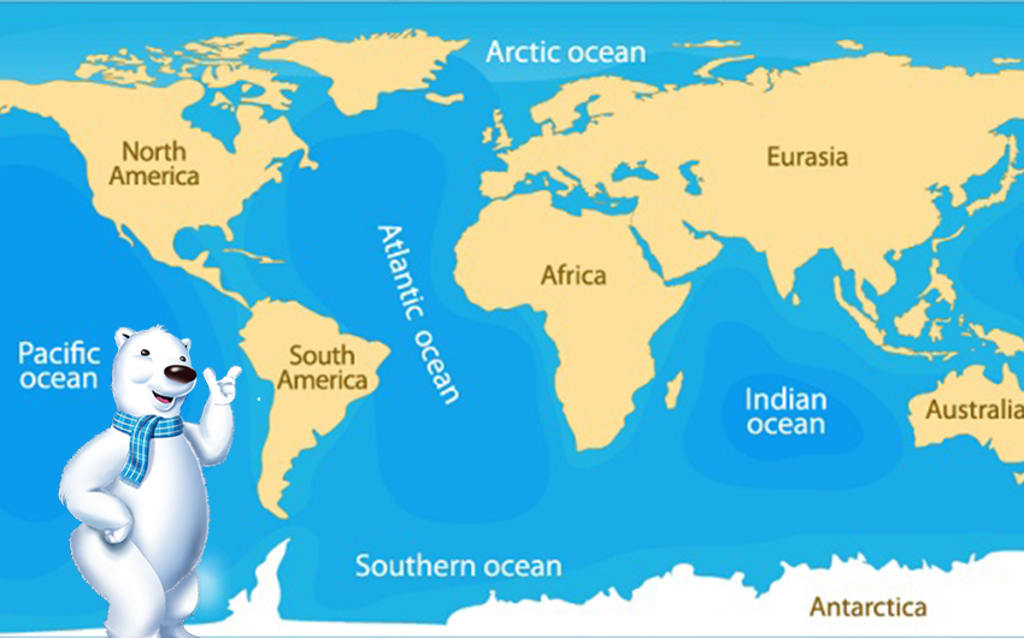
Have you ever looked at a world map and noticed all that blue? That’s water—lots of it! In fact, over 70% of our planet is covered by oceans. But did you know that there are exactly 5 oceans in the world? These vast water bodies are home to amazing sea creatures, mysterious underwater worlds, and play a big role in keeping Earth healthy.
At Makoons Preschool, we believe in making learning fun and engaging for children. So, let’s dive into the names, locations, and cool facts about the five oceans of our planet!
What Are the 5 Oceans of the World?
The Earth’s oceans are all connected, but scientists and geographers divide them into five distinct regions. Each ocean has its own name, location, and special characteristics.
1. Pacific Ocean
Largest ocean in the world
Covers more than 30% of Earth’s surface
Borders Asia, Australia, North and South America
Home to the Great Barrier Reef
The Pacific Ocean is so huge that it’s bigger than all the continents put together! It’s also the deepest, with places like the Mariana Trench reaching down over 36,000 feet.
2. Atlantic Ocean
Second largest ocean
Separates the Americas from Europe and Africa
Known for the Bermuda Triangle and the Titanic’s route
The Atlantic Ocean plays a big role in trade and travel. It’s also famous in stories and history for many sea adventures.
3. Indian Ocean
Third largest ocean
Found mainly between Africa, Asia, and Australia
Warmest of all the oceans
The Indian Ocean is closest to India (just like the name says!). It's rich in marine life and is important for fishing and shipping routes.
4. Southern Ocean (Antarctic Ocean)
Surrounds Antarctica
Coldest ocean in the world
Officially recognized as the fifth ocean in 2000
This ocean is full of icy waters and incredible animals like penguins, seals, and whales. It helps regulate Earth’s climate by moving cold water around the globe.
5. Arctic Ocean
Smallest and shallowest ocean
Located near the North Pole
Covered by ice most of the year
The Arctic Ocean is home to polar bears and is one of the most unique and fragile ecosystems on the planet. It’s mostly frozen but still supports an amazing variety of life.
Fun Facts About the World’s Oceans
Oceans contain 97% of Earth’s water.
They produce more than 50% of the oxygen we breathe.
The oceans are home to millions of species, many still undiscovered.
Oceans affect weather patterns all around the world.
Why Learning About Oceans Is Important for Kids
Builds Environmental Awareness
Teaching children about oceans helps them understand the importance of protecting water and marine life. It encourages habits like reducing plastic use and keeping beaches clean.
Improves Geography Skills
Learning the 5 oceans of the world strengthens children’s map-reading and spatial understanding. They become more aware of continents, countries, and natural landmarks.
Sparks Curiosity and Imagination
From sunken treasures to giant whales, oceans are full of wonder. Stories and facts about the sea open a world of imagination for young learners.
How to Help Kids Remember the 5 Oceans
Here’s a simple acronym that can help: PAISA
P – Pacific
A – Atlantic
I – Indian
S – Southern
A – Arctic
You can even create a fun ocean-themed song or game to make learning stick!
Conclusion: Let’s Explore the Oceans Together!
Now that you know the 5 oceans of the world, you can start seeing our planet in a whole new way. Oceans are not just water—they’re life, movement, and magic. At Makoons Preschool, we encourage young explorers to ask questions, stay curious, and care for the world around them.
Which ocean do you want to learn more about? Tell us in the comments or ask your teacher to help you explore more!
About the Creator
Play School for Kids | Best Preschool in India - Makoons
Makoons Preschool goal is to respond the call to create the emerging leaders of tomorrow. We are committed to impacting a synergy of skills, knowledge, and values in our little children to lend them their inner voice for the 21st century.
Keep reading
More stories from Play School for Kids | Best Preschool in India - Makoons and writers in Education and other communities.
Kindergarten Admission: Nurturing Tomorrow's Leaders at Makoons Preschool
In today’s dynamic world, the foundation of education plays a crucial role in shaping the future of young learners. As parents embark on the journey of securing the best kindergarten education for their children, it’s vital to understand the impact of early learning environments on developing essential life skills. Kindergarten admission is not merely about enrolling a child into school; it’s the beginning of a transformative educational experience that can nurture a child's potential, creativity, and leadership skills. At Makoons Preschool, our mission goes beyond academics. We believe in developing tomorrow's leaders by focusing on a holistic, child-centric approach, preparing young minds for the challenges and opportunities of the 21st century.
By Play School for Kids | Best Preschool in India - Makoonsabout a year ago in Education



Comments
There are no comments for this story
Be the first to respond and start the conversation.