
How Asset Tokenization is Changing the Way We Manage, Trade, and Access Value from Real-World and Digital Assets
Exploring the Impact of Asset Tokenization on Financial Systems: Unlocking New Opportunities for Real-World and Digital Assets

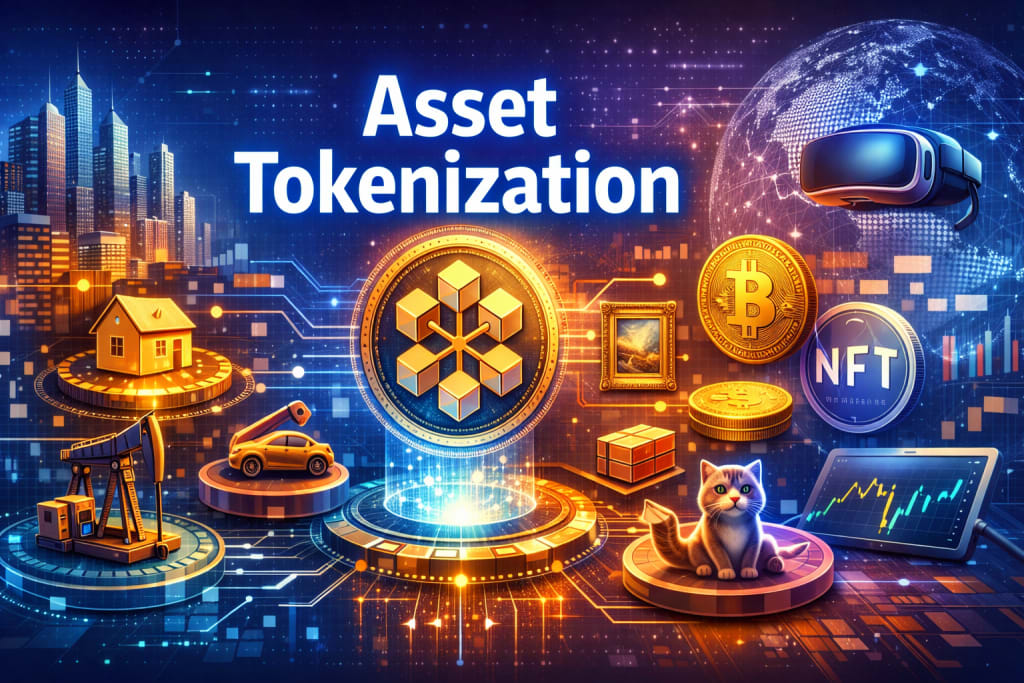
The digital transformation of economic systems has steadily altered how value is created, stored, and exchanged. Among the most significant developments in this transformation is asset tokenization, a process that converts rights to real-world or digital assets into blockchain-based tokens. This shift is not simply a technological upgrade to existing systems; it represents a fundamental change in how assets are managed, transferred, and accessed across global markets. By introducing programmability, transparency, and interoperability, asset tokenization is reshaping long-standing ownership and exchange models for both tangible and intangible assets.
As blockchain infrastructure matures, tokenization is increasingly viewed as a foundational layer for the next generation of value systems. It enables assets that were previously constrained by physical, legal, or operational barriers to become digitally represented, easily verifiable, and transferable within decentralized networks. This evolution is influencing asset management practices, trading mechanisms, and access structures in ways that were previously difficult to implement at scale.
What is Asset Tokenization?
Asset tokenization refers to the process of converting the value of an asset into a digital token that can be stored, transferred, and traded on a blockchain. This can include tangible assets like real estate, precious metals, and fine art, as well as intangible assets like stocks, bonds, or even intellectual property. Through tokenization, an asset’s ownership and value are represented as a blockchain-based token, making it easy to buy, sell, and transfer ownership rights.
Key Features of Asset Tokenization:
- Digital Representation: Each token represents a fraction of the ownership of the underlying asset.
- Smart Contracts: Transactions are often governed by smart contracts, ensuring that all transfers of ownership are secure, transparent, and immutable.
- Fractional Ownership: Tokenization allows for the division of high-value assets into smaller units, making them more accessible to a wider range of investors.
How Asset Tokenization Works
The process of asset tokenization involves a few essential steps, from creating a digital token to ensuring secure transactions. The overall aim is to represent the underlying asset accurately and fairly in the digital world.
Asset Valuation and Legal Structuring: The first step in the tokenization process is the legal structuring of the asset. This often involves evaluating the asset’s value, ensuring it’s legally clear to tokenize, and creating a framework for fractional ownership, if applicable.
Token Creation: Once the legal aspects are settled, the next step is to create the tokens themselves. These tokens are typically built on blockchain platforms like Ethereum or Solana, leveraging their smart contract capabilities to ensure that token transfers are secure and transparent.
Smart Contracts: Smart contracts are programmed to govern the transactions of the tokenized asset. These contracts automatically execute actions when certain conditions are met, making transactions more efficient and transparent.
Marketplace and Trading: Once the token is created, it can be listed on digital asset platforms or token exchanges, where it can be bought, sold, or traded. This process allows for fractional ownership of high-value assets, lowering the entry barrier for potential investors.
Ownership and Custodianship: With tokenized assets, ownership is recorded on the blockchain, offering a tamper-proof digital ledger. This ensures that each token holder’s rights are clearly defined, reducing the risk of disputes or fraud.
Benefits of Asset Tokenization
Asset tokenization offers a wealth of benefits to both individual investors and businesses. Here are some of the key advantages that have driven its widespread adoption:
1. Increased Liquidity
One of the most significant barriers to trading many types of assets, particularly in traditional markets, is liquidity. High-value assets like real estate, fine art, and rare collectibles often have limited markets, making it difficult to buy or sell quickly. Tokenization addresses this challenge by enabling fractional ownership and broader market access. By breaking down these assets into smaller, more affordable units, tokenization makes it easier to trade assets, enhancing liquidity for both buyers and sellers.
2. Access to Fractional Ownership
Traditionally, high-value assets such as real estate and artwork are out of reach for most individual investors. Tokenization allows for fractional ownership, meaning investors can purchase smaller portions of expensive assets, thus democratizing access to investment opportunities. This allows smaller investors to participate in markets they would otherwise be excluded from.
For instance, a $10 million piece of real estate could be tokenized into 10,000 tokens, with each token representing 0.01% of ownership. This opens the door to individuals who want to invest in these assets but lack the capital to buy a whole unit.
3. Global Market Access
Tokenized assets can be traded across the globe, and blockchain technology ensures that these transactions are transparent and secure. With blockchain’s borderless nature, tokenized assets are no longer confined to a specific market or jurisdiction. This global accessibility creates a more diverse and liquid market for various asset classes.
4. Enhanced Transparency and Security
Blockchain technology offers transparency and security by design. Every transaction involving a tokenized asset is recorded on an immutable blockchain ledger, ensuring that ownership records cannot be tampered with. This creates a higher level of trust among investors and reduces the risk of fraud or manipulation. Additionally, the use of smart contracts automates processes and eliminates the need for intermediaries, reducing the possibility of human error.
5. Efficiency and Cost Reduction
Tokenization can streamline the process of transferring assets. Traditional asset transfers often require intermediaries, paperwork, and time-consuming procedures. With tokenization, the entire process can be automated and completed on the blockchain, reducing administrative costs and speeding up transactions. By cutting out middlemen, the cost of buying and selling assets is significantly reduced.
How Asset Tokenization is Revolutionizing Different Industries
Tokenization is not just a trend; it’s becoming an integral part of various industries, and its impact is being felt across several sectors.
1. Real Estate
The real estate industry is one of the most promising sectors to benefit from asset tokenization. Tokenization of real estate allows fractional ownership, giving investors access to high-value properties with lower capital requirements. Property owners can also tokenize their assets to unlock liquidity without selling the entire asset. Furthermore, tokenization reduces the complexities of cross-border real estate transactions by providing a universal standard for property ownership.
For example, a commercial building in New York could be tokenized, enabling investors worldwide to purchase a share of the property and receive dividends from the rental income or profits from the sale of the property.
2. Art and Collectibles
Tokenization is also transforming the art world. Fine art and collectibles have long been considered illiquid assets, but tokenization allows fractional ownership, enabling more people to invest in artworks that were previously unaffordable. This creates opportunities for artists to access new forms of capital and for investors to diversify their portfolios into assets that were once considered niche.
3. Commodities and Precious Metals
Tokenization of commodities, such as gold, silver, and oil, allows investors to own and trade fractions of these assets. Tokenizing precious metals offers investors a way to hold assets that have historically been seen as a store of value, without the need for physical possession or the associated logistical costs.
4. Intellectual Property
Intellectual property (IP) rights, such as patents and trademarks, can also be tokenized. This is particularly beneficial for creators and businesses who may want to license or sell their IP but lack the means to navigate the traditional, often complicated, IP market. Tokenization allows for the easier transfer and licensing of IP, offering a more efficient and transparent way to handle these valuable digital assets.
Challenges and the Future of Asset Tokenization
Despite its potential, asset tokenization faces several challenges that need to be addressed before it can achieve widespread adoption.
1. Regulatory Uncertainty
The regulatory landscape for tokenized assets is still evolving. Many jurisdictions lack clear guidelines for how tokenized assets should be treated under existing laws. The lack of regulation poses a risk for investors and creators, making some hesitant to embrace the technology. It will be essential for regulators to create a legal framework that provides clarity around issues such as ownership, taxation, and compliance.
2. Technology and Infrastructure Challenges
While blockchain technology offers significant advantages, it is still relatively new, and there may be scalability and integration challenges in certain cases. High transaction fees on certain blockchain platforms can also be a barrier to entry for smaller investors. Over time, as blockchain technology improves and infrastructure evolves, these issues are likely to become less problematic.
3. Market Acceptance
For tokenization to succeed, it requires broader market acceptance. Investors, asset managers, and businesses need to fully understand and trust the technology. The education and adoption process will take time, as many market participants are still unfamiliar with how tokenization works and how it can be beneficial.
Conclusion
Asset tokenization is more than just a buzzword—it's a transformative innovation that is changing how we manage, trade, and access value across various industries. By democratizing access to high-value assets, improving liquidity, and increasing transparency, tokenization is empowering investors and creators alike to participate in markets that were once out of reach. As the technology matures and regulatory frameworks are established, we can expect asset tokenization to become an integral part of the global financial system, opening new opportunities and driving innovation in both traditional and digital asset markets.
About the Creator
Gabrielle
Blockchain enthusiast and NFT writer dedicated to merging technology with art on decentralized platforms, driving innovation for a creative future. Embracing the potential of digital expression.
The Virtual Classroom Spain Bold Leap into the Future of Online Education in 2026
Spain’s educational landscape has historically been defined by the sun-drenched courtyards of its ancient universities and the traditional face-to-face interaction that characterizes Mediterranean culture. However, as we move through 2026, a silent but powerful revolution has taken place. The "Digital Spain 2026" agenda, launched years ago as a response to global shifts, has finally reached its zenith, transforming the nation into a European leader for e-learning. This isn't just a story about technology; it’s a story about accessibility, economic resilience, and a fundamental rethinking of what it means to "go to school." In a country where geography once limited educational opportunities, online platforms have now bridged the gap between rural villages in Castile-La Mancha and the bustling tech hubs of Madrid and Barcelona, creating a truly democratic educational ecosystem.
By Neeraj kumarabout 3 hours ago in Education




Comments
There are no comments for this story
Be the first to respond and start the conversation.