
5 Common Mistakes in Structural Construction Drawing| (How to Avoid Them)
Complete AEC Industry Guide for Engineers, Architects, Contractors & BIM Teams

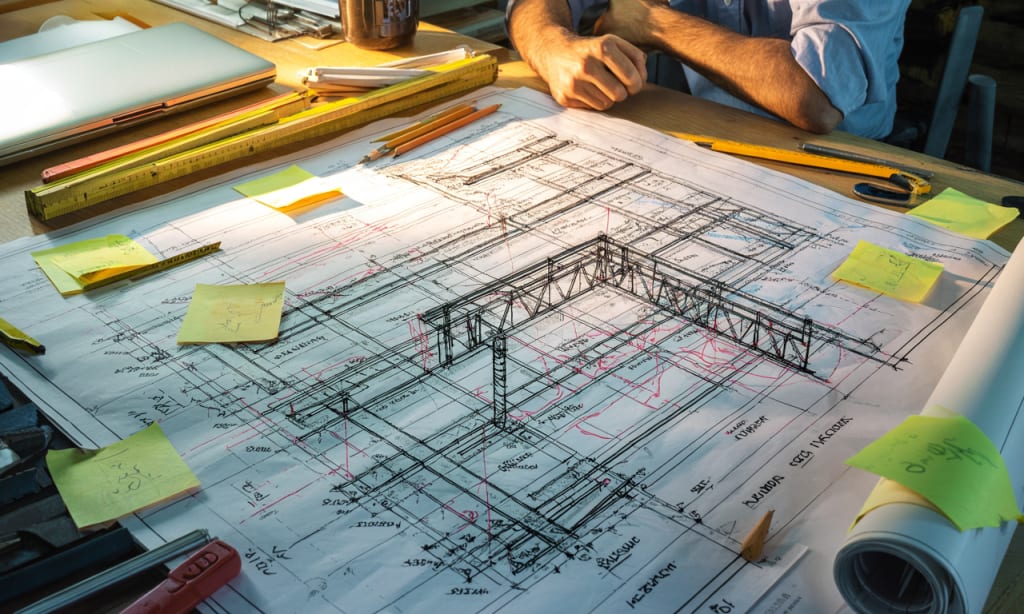
Structural construction drawings are the backbone of every building project. Whether it’s a residential home, commercial tower, industrial warehouse, or institutional facility, structural drawings translate engineering calculations into clear, buildable instructions for contractors.
However, even small mistakes in these drawings can lead to major problems during construction—such as expensive rework, project delays, safety hazards, permit rejections, and site conflicts.
This comprehensive guide explains the 5 most common mistakes in structural construction drawings, why they occur, their consequences, and proven strategies to avoid them using AEC best practices and BIM standards.
What Are Structural Construction Drawings?
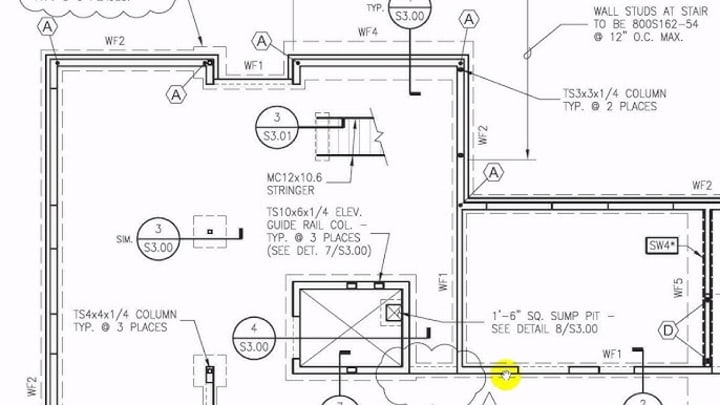
Structural construction drawings (S-drawings) are technical documents prepared by structural engineers to show how a building will stand safely.
They detail:
- Load-bearing elements
- Reinforcement details
- Foundation layout
- Beams, slabs & column design
- Structural connections
- Material specifications
- Construction notes
These drawings follow engineering codes such as:
ACI, AISC, ASCE, Eurocode, IS Codes, IBC, and NDS, depending on the project type and region.
Why Accuracy Matters in Structural Drawings
Even a small error can result in:
- Structural failures
- Misaligned foundations
- Reinforcement congestion
- Beam–duct clashes
- Delayed approvals
- Cost overruns
- Construction safety risk
Thus, avoiding mistakes is not just a quality goal—it’s a legal and safety requirement.
5 Most Common Mistakes in Structural Construction Drawings (and How to Avoid Them)

1. Incomplete or Incorrect Reinforcement Details
One of the most frequent causes of site confusion and rework.
Common Mistakes:
- Missing rebar lap lengths
- Incorrect bar shapes (A-bars, U-bars, stirrups)
- Unclear spacing (e.g., “as per site condition”)
- No reinforcement continuity details
- Overlapping bars causing congestion
Why It Happens:
- Poor coordination between designer and drafter
- Copy-paste errors in AutoCAD
- Limited site experience of design engineers
- Changes in calculations not reflected in drawings
Consequences:
- Improper reinforcement placement
- Weak structural members
- Excessive rework and delays
- Violation of code requirements
How to Avoid This Mistake:
- Always include a comprehensive bar bending schedule (BBS)
- Conduct reinforcement clash checks in Revit or Tekla
- Follow standard detailing guides (ACI Detailing Manual / SP-34)
- Use templates to maintain consistency
- Cross-check reinforcement with design calculation sheets
2. Poor Coordination with Architectural Drawings
The #1 reason for onsite redesign and contractor complaints.
Common Mistakes:
- Columns running into doors or window openings
- Beam depths conflicting with ceiling/duct levels
- Foundation sizes not matching architectural footprint
- Structural walls overlapping with staircases or shafts
Why It Happens:
- Lack of coordinated BIM model
- Missing communication between architect & structural engineer
- Last-minute design revisions not shared
Consequences:
- Major rework during construction
- Delay in MEP installations
- Change orders and increased project cost
- Clash between engineering intent and architectural requirements
How to Avoid This Mistake:
- Use BIM coordination through Revit + Navisworks
- Conduct weekly interdisciplinary meetings
- Perform automated clash detection
- Update architectural models before structural modeling
- Finalize load paths early in the design stage
3. Missing or Ambiguous Dimensions
One of the most frustrating issues for contractors.
Common Mistakes:
- Unmarked grid dimensions
- Missing beam offsets and elevations
- No reference levels (Top of Slab, Top of Beam, etc.)
- Vague notes like “verify onsite” or “typical for all”
Why It Happens:
- Manual drafting errors
- Rushed deadlines
- Lack of standardized drawing templates
Consequences:
- Wrong placement of structural elements
- Incorrect shuttering & formwork
- Inaccurate concrete volumes
- Structural misalignment
How to Avoid This Mistake:
Include complete dimension chains (overall + intermediate)
- Use datum lines, elevation markers, and section references
- Adopt standard dimensioning methods (e.g., ISO, ANSI)
- Perform peer review using a detailer or checker
- Avoid using ambiguous notes
4. Outdated or Conflicting Notes & Specifications
One of the most overlooked yet dangerous errors.
Common Mistakes:
- General notes referring to outdated codes
- Material strengths not matching plans (e.g., M25 vs. M30 concrete)
- Conflicting steel grade information
- Wrong load assumptions
- Outdated revision clouds left in drawings
Why It Happens:
- Frequent design revisions
- Reusing old drawings from past projects
- Lack of version control
Consequences:
- Permit rejection
- Inconsistent material procurement
- Site disputes between contractor and engineer
- Incorrect structural performance
How to Avoid This Mistake:
- Maintain a drawing revision log
- Use cloud-based document management (BIM 360, Procore, Aconex)
- Ensure all drawings follow latest codes and standards
- Conduct a multidisciplinary model check before issuing IFC drawings
- Avoid mixing notes from old projects
5. Lack of Clear Foundation and Load Path Details
Foundations are the most critical yet commonly misinterpreted part of structural drawings.
Common Mistakes:
- No soil bearing capacity mentioned
- Footing size not aligned with column loads
- Missing anchor bolt details for steel structures
- Incomplete retaining wall reinforcement
- No mention of ground improvement methods
Why It Happens:
- Foundation engineer not involved early
- Soil report not fully reviewed
- Value engineering changes not reflected in drawings
Consequences:
- Differential settlement
- Foundation failure
- Excessive cracking in slabs/walls
- Unsafe building performance
How to Avoid This Mistake:
- Review the geotechnical report before finalizing foundation plans
- Apply correct load combinations (dead, live, wind, seismic)
- Include anchor bolt templates for steel columns
- Provide complete foundation section drawings for each type
- Add notes on excavation, compaction, and waterproofing
Bonus: Additional Common Mistakes Often Overlooked
To make this guide more valuable for AEC teams, here are additional issues you should look out for:
- No MEP openings shown in beams/slabs
- Incorrect level references between architectural and structural drawings
- Missing expansion joint details
- No shear wall boundary element reinforcement
- Insufficient detailing around staircase landings and elevator pits
- Overlooking fireproofing or corrosion protection notes
Best Practices for Error-Free Structural Construction Drawings
✔ Adopt BIM-based Structural Modeling
Revit, Tekla, and ETABS ensure data consistency and reduce drafting errors.
✔ Follow a Standardized Structural Drafting Manual
Include templates for:
- Titles
- Symbols
- Dimensioning styles
- Rebar detailing
✔ Conduct a Quality Control (QC) Review
Use a dedicated checker for:
- Reinforcement checks
- Load path validation
- Coordinates and grid alignment
✔ Use a Centralized Document Control System
To avoid outdated versions circulating on site.
✔ Maintain Coordination with All Disciplines
Architecture, Structure, MEP, Fire Protection, Landscaping, and Interiors.
Conclusion
Structural construction drawings are the backbone of safe, efficient, and code-compliant buildings. But even experienced teams can make critical mistakes—resulting in expensive rework, delayed schedules, and compromised building safety.
By understanding the most common mistakes and implementing quality control, BIM workflows, standardized detailing, and interdisciplinary coordination, AEC professionals can significantly reduce risks and deliver high-quality structural drawing packages.
A successful project is not just about good design—it’s about accurate, coordinated, and reliable drawings that contractors can trust.
Further Reading
Construction Documentation Checklist: What You Need for Every Project Phase
7 Floor Plan Details Contractors Wish Architects Would Always Include
How to Choose the Right Industrial Architectural Modeling Partner in the U.S.
7 Critical Mistakes in Architectural Construction Drawings That Delay Your Permit
About the Creator
Matt Sharon
A professional content writer. Having years of experience in Technology, health, finance, and construction and real estate field. Writing is my passion and I love to play with words Confidently.
Keep reading
More stories from Matt Sharon and writers in Education and other communities.
Construction Documentation Checklist: What You Need for Every Project Phase
Accurate construction documentation is the backbone of any successful building project. Whether you are working on a residential renovation, commercial buildout, or an infrastructure upgrade, proper documentation ensures project clarity, helps secure permits, reduces design rework, and accelerates construction timelines.
By Matt Sharon3 months ago in Education
Education Finance Software Market to Reach USD 12.04 Billion by 2035
Education Finance Software Market The Global Education Finance Software Market is projected to reach approximately USD 12.04 billion by 2035, rising from USD 5.63 billion in 2025, and registering a CAGR of 7.9% during the forecast period from 2025 to 2035. This growth reflects increasing digital transformation across educational institutions, particularly in financial administration and compliance management. Schools, universities, and training institutions are modernizing budgeting, accounting, payroll, and procurement systems to improve transparency and operational efficiency.
By Roberto Crum2 days ago in Education




Comments
There are no comments for this story
Be the first to respond and start the conversation.