
10 Golden Rules to Earn and Manage Money Wisely
Practical Guide to Building Wealth, Creating Stability, and Taking Control of Your Financial Future


Rules to Earn and Manage Your Finances Wisely
Word Guide to Financial Success
In today’s world, financial literacy is more important than ever. Whether you're starting your first job, building a business, or planning for retirement, understanding the rules of earning and managing money can set the foundation for long-term wealth and stability.
Here are essential finance rules to follow if you want to earn wisely and manage your money like a pro.
1. Focus on Value, Not Just Hours
One of the most important rules of earning is this: don’t just trade time for money—create value. People who earn the most are not necessarily working the longest hours; they’re solving valuable problems. Whether you're an employee or entrepreneur, increasing your income usually means increasing the value you offer.
Key tip: Improve your skills. The more specialized and rare your skill, the more people will pay for it. Learn to solve problems others can’t or won’t.
2. Have Multiple Income Streams
Relying on a single source of income is risky. If that one income stops—whether it's a job, a client, or a gig—your financial security disappears with it. That’s why one of the golden rules in personal finance is to build multiple streams of income.
Some ideas include:
A side business
Freelance work
Investments (stocks, bonds, real estate)
Digital products or content creation
Rental income
Remember: Wealthy people don’t work harder; they earn smarter.
3. Live Below Your Means
It’s not how much you earn—it’s how much you keep. A high salary won’t help you if your expenses are just as high or higher. Living below your means doesn’t mean being cheap—it means being smart. Spend intentionally, not emotionally.
Action step:
Track your expenses for one month. Identify areas where you can cut unnecessary spending and redirect that money toward savings or investment.
4. Pay Yourself First
Before you pay bills, shop, or spend on entertainment—pay yourself first. This means taking a portion of your income and saving or investing it immediately. It’s one of the simplest yet most powerful habits to build wealth.
A good rule is the 50/30/20 rule:
50% for needs
30% for wants
20% for savings and debt repayment
Even saving just 10% of every paycheck consistently can lead to financial freedom over time.
5. Avoid Bad Debt Like the Plague
Not all debt is bad. Borrowing to invest in education, a business, or a home can be wise. But credit card debt, payday loans, and borrowing to buy things you can’t afford? That’s financial poison.
High-interest debt destroys your ability to build wealth.
Tip:
If you're in debt, start with the snowball or avalanche method to pay it off. Don't just make minimum payments. Make a real plan and stick to it.
6. Invest Early and Consistently
The earlier you start investing, the more time your money has to grow. Thanks to compound interest, even small amounts invested regularly can turn into large sums over time.
Don’t wait for the “perfect” time to start. You don’t need thousands to begin. Platforms now allow investing with as little as $10.
Suggested investments:
Index funds (low-cost, diversified)
Dividend stocks
Retirement accounts (like IRAs or 401(k)s)
Real estate (even fractional ownership through REITs)
7. Keep Learning About Money
Financial knowledge is not one-time learning. The economy changes, tools evolve, and your financial goals shift. Make personal finance education a habit.
Ways to keep learning:
Read finance books (like Rich Dad Poor Dad or The Millionaire Next Door)
Listen to finance podcasts or YouTube channels
Follow trusted financial experts
Take courses or attend seminars
The more you know, the better decisions you’ll make.
8. Set Clear Financial Goals
Earning money without direction is like sailing without a map. Set specific, measurable goals—like saving $10,000, buying a home, or retiring by 50. Your goals will guide your budget, investments, and career choices.
Write down:
Short-term goals (within 1 year)
Mid-term goals (1–5 years)
Long-term goals (5+ years)
Review them regularly and adjust as needed.
9. Protect What You Earn
Financial success also means protecting your money. This includes:
Having insurance (health, life, auto, home)
Creating an emergency fund (3–6 months of expenses)
Avoiding scams and fraud
Keeping important documents safe
It’s not just about making money—it’s about making sure you don’t lose it.
10. Give Back and Stay Grateful
Last but not least—give. Generosity not only helps others, but also shifts your mindset from scarcity to abundance. Whether it’s donating to charity, supporting a cause, or helping family, giving builds purpose and perspective.
Gratitude for what you have also keeps you grounded and reduces reckless financial behavior driven by comparison or status.
Final Words
Earning money and managing it wisely isn’t about luck—it’s about discipline, strategy, and mindset. Follow these rules, be consistent, and stay patient. Wealth doesn’t come overnight, but with the right habits, it will come.
Start today. Your future self will thank you.
About the Creator
Keep reading
More stories from MoneyOrbit and writers in Education and other communities.
How People Become Famous: The Real Path to Recognition
How Some People Become Famous – And How You Can Too Fame has always been a powerful force—whether it’s the glow of Hollywood lights, the buzz of social media, or the lasting legacy of authors, athletes, and entrepreneurs. Many people dream of being famous, but only a few get there. So how do some people become famous, and can you do it too?
By MoneyOrbit5 months ago in Education
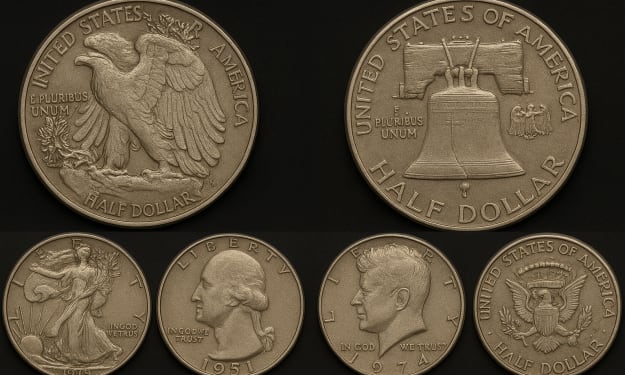
Half Dollars That Defied Time: Kennedy, Franklin & Walking Liberty
If you’ve found yourself holding an old half dollar, you’ve probably wondered: is this just pocket change, or could it be something more? I’ve had that same conversation with countless collectors in my eight years as a numismatist. The answer often hinges on three legendary names: Walking Liberty, Franklin, and Kennedy. More than just silver, these coins are tangible pieces of 20th-century America. This guide will help you understand their stories, values, and which one might be the perfect fit for your goals, whether you're building a collection or an investment.
By Laura Bennett2 days ago in Education



Comments
There are no comments for this story
Be the first to respond and start the conversation.