
10 beginner-friendly books for music psychology enthusiasts
My favourite introductory to music psychology books


Looking for beginner-friendly books on music psychology? Here's a curated list of 10 excellent choices to explore. "Musicophilia: Tales of Music and the Brain" by Oliver Sacks delves into the fascinating world of how the brain processes music. Daniel Levitin's "This Is Your Brain on Music: The Science of a Human Obsession" offers interdisciplinary insights into the connection between music and the human brain. "Music, The Brain, and Ecstasy: How Music Captures Our Imagination" provides a great starting point for understanding the science of music. "Music, Math and Mind: The Physics and Neuroscience of Music" explores the mathematical and neurological aspects of music. "Sweet Anticipation: Music and the Psychology of Expectation" examines how music expectations shape our emotional responses. "Psychology of Music: From Sound to Significance" covers various aspects of music perception and cognition. "Psychology for Musicians: Understanding and Acquiring the Skills" introduces psychological research to musicians and educators. "An Introduction to the Psychology of Hearing" is a leading textbook on auditory perception. "The Oxford Handbook of Music Psychology" offers a comprehensive overview of the latest research in the field. Lastly, "Music as Biology: The Tones We Like and Why" explores the biological foundations of our musical experiences. Dive into these beginner-friendly books and unlock the fascinating world of music psychology.
1. Musicophilia: Tales of Music and the brain
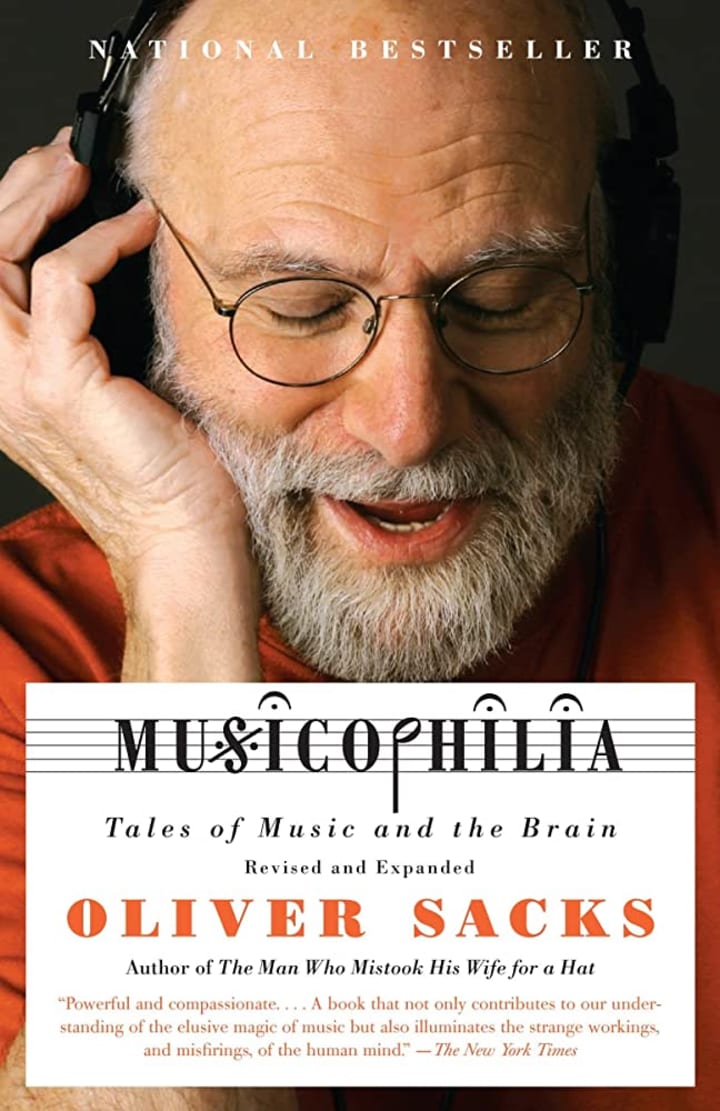
"Musicophilia: Tales of Music and the Brain" by Oliver Sacks is a captivating exploration of the profound impact music has on the human brain. Through a collection of intriguing stories and case studies, Sacks delves into the intricate relationship between music and the mind. He examines various "musical misalignments," revealing how the brain processes music and the extraordinary ways in which music can affect individuals with neurological disorders. With his signature blend of scientific insight and empathetic storytelling, Sacks paints a vivid picture of the transformative power of music and its ability to transcend barriers and connect us on a profound level. Whether you're a music lover or intrigued by the mysteries of the brain, "Musicophilia" offers a captivating journey into the extraordinary interplay between music and the human mind.
Available at: https://www.oliversacks.com/books-by-oliver-sacks/musicophilia/
2. This is Your Brain on Music: The Science of a Human Obsession

"This is Your Brain on Music: The Science of a Human Obsession" by Daniel Levitin is a fascinating exploration of the intricate relationship between music and the human brain. Levitin, a neuroscientist and musician, delves into the cognitive and emotional mechanisms that underlie our experience of music. Drawing on scientific research and his own musical expertise, he explores various aspects of music such as perception, memory, emotion, and creativity. Levitin unveils the profound impact that music has on our brains, revealing how it can evoke strong emotional responses, stimulate memories, and even influence our behavior. Through engaging anecdotes and insightful explanations, he offers a comprehensive understanding of the neuroscientific principles that shape our musical experiences. Whether you are a musician, a music enthusiast, or simply curious about the mysteries of the human mind, "This is Your Brain on Music" provides a captivating journey into the profound connection between music and our brains, shedding light on the science behind our musical obsessions.
Available at: https://www.goodreads.com/book/show/141565.This_Is_Your_Brain_on_Music
3. Music, The Brain, and Ecstasy: How Music Captures Our Imagination
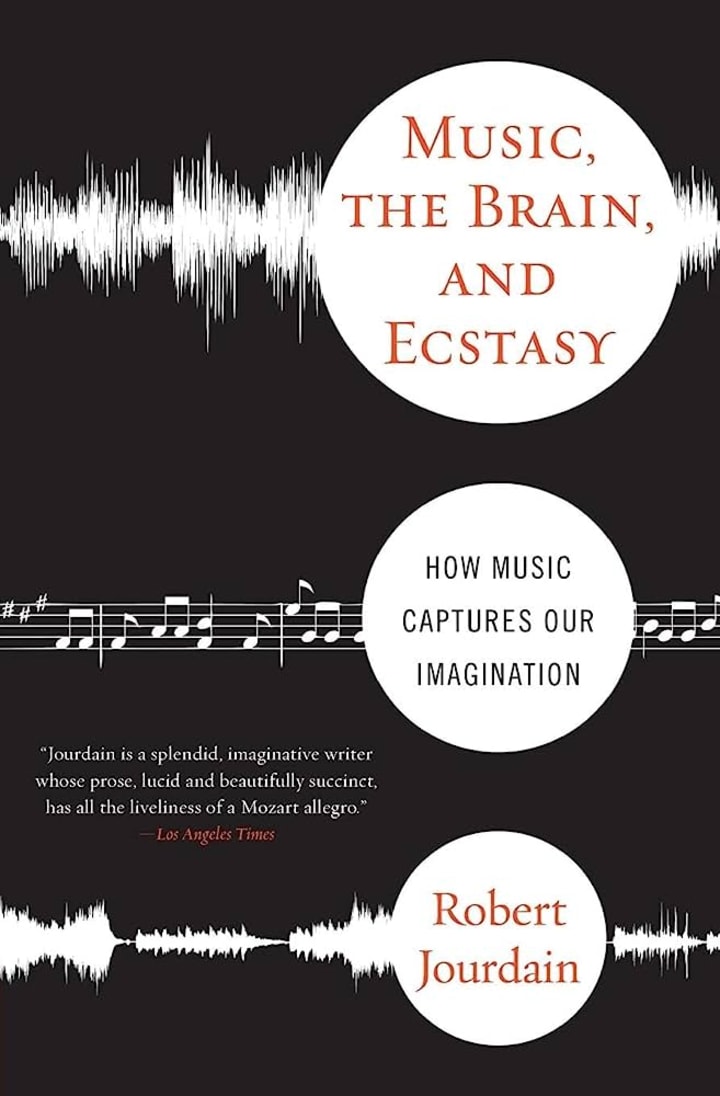
"Music, The Brain, and Ecstasy: How Music Captures Our Imagination" is a captivating exploration of the profound effects of music on the human mind and emotions. Authored by Robert Jourdain, the book delves into the intricate relationship between music and the brain, unraveling the mechanisms through which music captivates our imagination and elicits powerful emotional responses. Jourdain combines scientific research, personal anecdotes, and musical examples to elucidate how music stimulates the brain's neural pathways, evokes emotions, and engages our cognitive faculties. From the neurological processes involved in perceiving and processing music to the psychological and cultural factors that shape our musical experiences, the book provides a multidimensional perspective on the captivating power of music. Jourdain's accessible writing style and his ability to seamlessly blend scientific insights with engaging narratives make this book a compelling read for music enthusiasts, psychologists, neuroscientists, and anyone curious about the profound impact of music on our lives.
Available at: https://www.goodreads.com/book/show/141566.Music_the_Brain_and_Ecstasy
4. Music, Math and Mind: The Physics and Neuroscience of Music

"Music, Math and Mind: The Physics and Neuroscience of Music" is a thought-provoking exploration of the interconnectedness between music, mathematics, and the human mind. Authored by David Sulzer, the book delves into the fascinating ways in which music and mathematics intersect, shedding light on the underlying principles that govern both disciplines. Sulzer draws upon insights from physics, neuroscience, and music theory to uncover the intricate relationship between sound, rhythm, and the brain's cognitive processes. Through engaging explanations and examples, he delves into topics such as the mathematical patterns found in musical compositions, the neural mechanisms involved in perceiving and creating music, and the profound impact of music on our emotions and well-being. With a blend of scientific rigor and accessible language, "Music, Math and Mind" offers readers a deeper understanding of the fundamental connections between music, mathematics, and the workings of the human mind. It is an enlightening read for music enthusiasts, mathematicians, neuroscientists, and anyone interested in unraveling the mysteries of music's universal appeal.
Available at: https://www.goodreads.com/book/show/53397683-music-math-and-mind
5. Sweet Anticipation: Music and the Psychology of Expectation

"Sweet Anticipation: Music and the Psychology of Expectation" is a captivating exploration of how our expectations shape our experience of music. Written by David Huron, the book delves into the fascinating world of musical anticipation and how it influences our emotional responses, perception, and enjoyment of music. Huron takes readers on a journey through various aspects of musical expectation, examining topics such as melodic patterns, rhythmic structures, harmonic progressions, and the impact of cultural context. Through engaging anecdotes and insightful analysis, he reveals the intricate ways in which our brains predict and anticipate musical events, and how these predictions contribute to our appreciation and understanding of music. The book also explores the role of expectations in musical composition, performance, and interpretation, shedding light on the creative processes behind music. With a blend of cognitive science, psychology, and musical theory, "Sweet Anticipation" offers a compelling and accessible exploration of the profound connection between music and our anticipatory minds. It is a must-read for music enthusiasts, psychologists, and anyone curious about the fascinating interplay between expectation and musical experiences.
Available at: https://www.amazon.com/Sweet-Anticipation-Psychology-Expectation-Bradford/dp/0262582783
6. Psychology of Music: From Sound to Significance
"Psychology of Music: From Sound to Significance" is a comprehensive and insightful book that delves into the multifaceted aspects of music psychology. Written by Siu-Lan Tan, Peter Pfordresher, and Rom Harré, the book offers a holistic exploration of the psychological processes involved in music perception, cognition, and emotional experiences. It covers a wide range of topics, including the acoustics of music, auditory perception, neurophysiology of hearing, music cognition, meaning and significance of music, social and cultural aspects of music, and the powerful emotional impact of music. Drawing upon research from various disciplines such as psychology, neuroscience, and music theory, the authors provide a rich understanding of how music influences our thoughts, emotions, and behavior. Through engaging examples, case studies, and empirical evidence, they offer valuable insights into topics like musical development, learning musical skills, musical performance, and music therapy. "Psychology of Music" is a valuable resource for students, researchers, and professionals in the fields of music psychology, music therapy, and music education, as well as anyone interested in exploring the profound connections between music and the human mind.
Available at: https://www.routledge.com/Psychology-of-Music-From-Sound-to-Significance/Tan-Pfordresher-Harre/p/book/9781138124684
7. Psychology for Musicians: Understanding and Acquiring the Skills

"Psychology for Musicians: Understanding and Acquiring the Skills" is a highly informative and practical book that bridges the gap between music and psychology. Written by Andreas C. Lehmann, John A. Sloboda, and Robert H. Woody, the book focuses on the psychological aspects relevant to musicians and provides valuable insights for enhancing musical performance and education. It covers a wide range of topics, including perception and attention, learning and memory, motivation and emotion, social interactions, and the impact of these psychological factors on musical skills and development. The authors offer clear explanations of psychological concepts and theories, relating them directly to musicianship. They provide practical strategies and exercises for improving performance, managing performance anxiety, and fostering creativity. With a combination of scientific research and real-world examples, the book equips musicians with a deeper understanding of the psychological processes involved in music-making. Whether you are a performer, teacher, or student, "Psychology for Musicians" offers valuable guidance for developing and honing your musical skills while enhancing your overall musical experience.
Available at: https://oxford.universitypressscholarship.com/view/10.1093/acprof:oso/9780195146103.001.0001/acprof-9780195146103
8. An Introduction to the Psychology of Hearing
"An Introduction to the Psychology of Hearing" is a comprehensive textbook that delves into the fascinating field of auditory perception. Authored by Brian C.J. Moore, the book explores various aspects of hearing, providing both a theoretical foundation and practical insights. It covers essential topics such as the physics of sound, the anatomy and physiology of the auditory system, frequency selectivity, masking, and loudness perception. The author not only presents research findings but also interprets and evaluates them, offering a well-rounded understanding of auditory perception. With its clear and accessible writing style, the book appeals to both students and professionals in the field of auditory psychology. It serves as an invaluable resource for understanding the complexities of hearing and provides a solid foundation for further exploration in the domain of auditory perception. Whether you are studying psychology, neuroscience, or audiology, "An Introduction to the Psychology of Hearing" is a valuable reference that deepens your knowledge of the intricate mechanisms behind our sense of hearing..
available at: https://brill.com/view/title/24210
9. The Oxford Handbook of Music Psychology
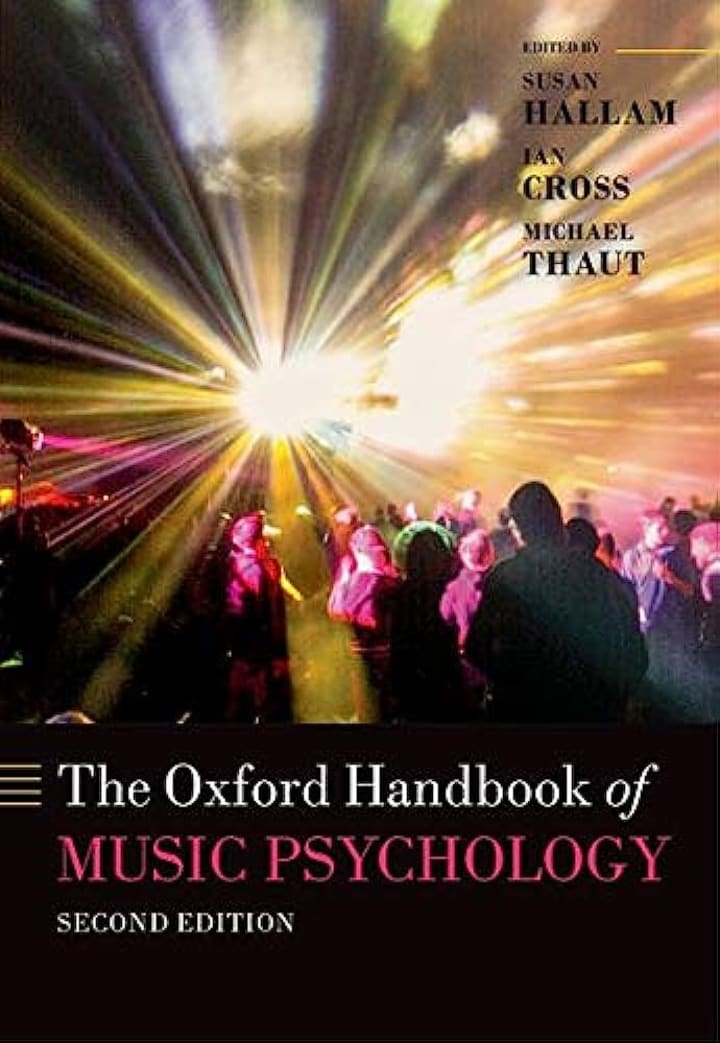
"The Oxford Handbook of Music Psychology" is a comprehensive and authoritative resource that provides an extensive overview of the latest research in the field of music psychology. Edited by Susan Hallam, Ian Cross, and Michael Thaut, the book covers a wide range of topics, including the origins and functions of music, music perception, responses to music, music and the brain, musical development, learning musical skills, musical performance, and music therapy. With contributions from leading experts in the field, each chapter offers in-depth insights and analysis, supported by empirical evidence and theoretical frameworks. The book examines the psychological processes involved in music perception, cognition, and production, exploring how music influences emotions, memory, attention, and social interactions. It also delves into the psychological aspects of musical development, learning, and expertise, shedding light on the cognitive mechanisms underlying musical abilities. Additionally, the book discusses the therapeutic applications of music and its role in promoting well-being and enhancing cognitive, emotional, and social functioning. With its comprehensive coverage and interdisciplinary approach, "The Oxford Handbook of Music Psychology" is an essential reference for researchers, students, and practitioners interested in the complex interplay between music and the human mind.
Available at: https://www.oxfordhandbooks.com/view/10.1093/oxfordhb/9780199298457.001.0001/oxfordhb-9780199298457
10. Music as Biology: The Tones We Like and Why

In "Music as Biology: The Tones We Like and Why," Dale Purves delves into the intriguing relationship between music and biology, exploring why certain sounds and musical elements are universally appealing to humans. Drawing on biological and neurological perspectives, Purves seeks to answer fundamental questions about the nature of music, such as why some sounds are perceived as consonant while others are dissonant, and why different musical scales evoke distinct emotional responses. Through a blend of scientific research and engaging storytelling, the book examines how our biological predispositions and sensory processing shape our musical preferences and experiences. Purves explores the role of evolution, genetics, and cultural influences in shaping our musical tastes and highlights the interconnectedness of music and the brain. With a focus on the biological foundations of music perception and enjoyment, "Music as Biology" provides a thought-provoking exploration of the deep-rooted connections between music and human biology, shedding light on the profound ways in which music shapes our lives.
Available at: https://www.hup.harvard.edu/catalog.php?isbn=9780674545151
What’s your favourite beginner-friendly music psychology book?
About the Creator
Anthi Georgiadou
BSc in Sound Technology, in interactive music systems. Master's at Goldsmith's. Passionate about immersive soundscapes, applying for PhDs in music psychology exploring music, technology, and psychology for innovative auditory experiences.
Keep reading
More stories from Anthi Georgiadou and writers in Education and other communities.
The Great Library of Imagination*:
The Great Library of Imagination In the heart of the city, where the streets were lined with ancient trees and the buildings whispered secrets to each other, there was a small, unassuming door tucked away in a narrow alley. The door was old and worn, with intricate carvings of fantastical creatures and symbols that seemed to shift and shimmer in the flickering light of the street lamps. Few people noticed the door, and even fewer knew what lay beyond it.
By Talhamuhammad2 days ago in Education




Comments
There are no comments for this story
Be the first to respond and start the conversation.