
World's Most Dangerous Countries to Visit in 2025
Travel Destinations to Approach with Caution

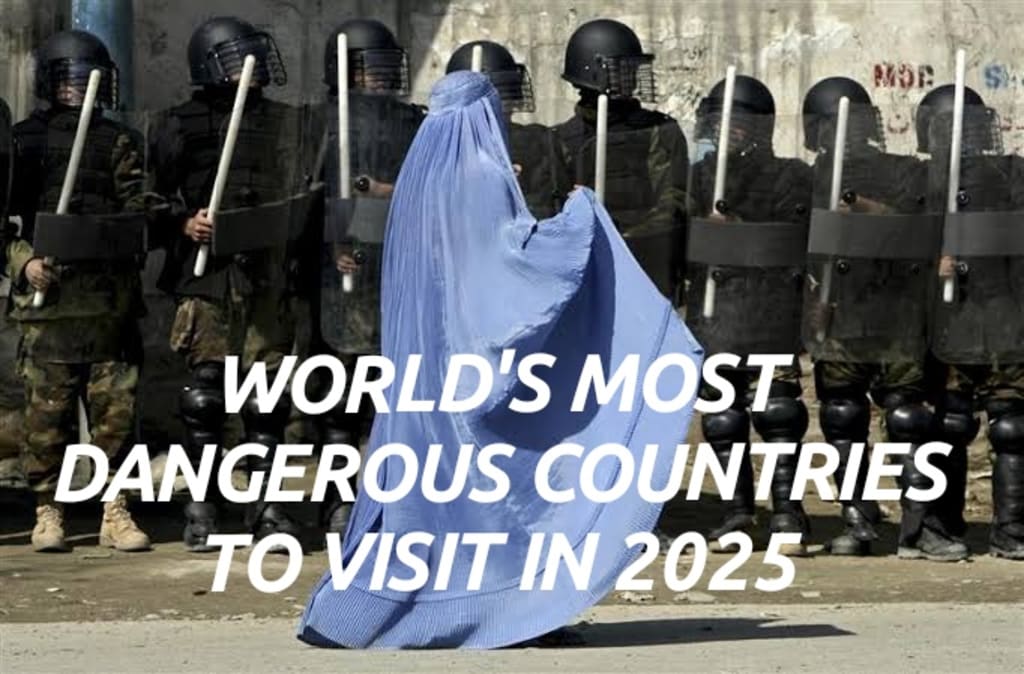
Traveling to new and exciting destinations is a dream for many. However, while adventure beckons, safety should remain a priority. Certain countries pose significant risks due to factors like political instability, high crime rates, or natural disasters. In this blog, we explore some of the world's most dangerous countries to visit in 2025 and provide insights into the challenges travelers may face in these regions.
1. Afghanistan

Afghanistan remains one of the most dangerous countries for travelers. Decades of conflict have left the nation unstable, with ongoing violence and security concerns. The Taliban’s control has not brought widespread stability, and terrorist attacks, kidnappings, and a lack of functioning infrastructure make it perilous for tourists. Travelers are advised to avoid non-essential visits due to the high risk of harm.
2. Syria

Syria continues to grapple with the aftermath of a prolonged civil war. Although some areas have seen a reduction in active conflict, the country still faces significant threats from terrorism and residual fighting. The lack of healthcare services, damaged infrastructure, and unsafe transportation make it unsuitable for tourism. The U.S. Department of State and other agencies consistently advise against travel to Syria.
3. Yemen

Years of civil war have devastated Yemen, creating one of the world’s worst humanitarian crises. Famine, disease outbreaks, and violence are rampant. The risk of being caught in armed conflict or targeted by extremist groups is high, while a lack of consular support adds another layer of danger for foreign visitors.
4. Haiti

Haiti’s political and social instability, combined with high crime rates, make it a risky destination in 2025. Kidnappings, robberies, and violent protests are frequent, particularly in the capital, Port-au-Prince. A weak law enforcement system and limited healthcare resources exacerbate the dangers for visitors.
5. Somalia

Somalia remains fraught with risks due to terrorism, piracy, and a lack of effective governance. Al-Shabaab, an extremist group, continues to carry out attacks, particularly in urban areas. The threat of kidnapping and limited emergency services further discourage international travel to Somalia.
6. South Sudan

Despite a fragile peace agreement, South Sudan struggles with interethnic violence, food insecurity, and a lack of infrastructure. Tourists are at risk of being caught in violent outbreaks, and the scarcity of basic services makes it a hazardous destination.
7. Venezuela

Venezuela’s ongoing economic crisis has led to soaring crime rates, including armed robberies, carjackings, and kidnappings. Political instability, hyperinflation, and a collapsing healthcare system contribute to the risks for travelers. Tourists may also face challenges accessing basic necessities like food and water.
8. North Korea

While North Korea may not face widespread violence, its closed-off nature and strict regulations make it a risky place to visit. Travelers are under constant surveillance, and any perceived violation of local laws can lead to severe penalties, including imprisonment. The lack of diplomatic relations with many countries further complicates rescue or assistance efforts.
9. Democratic Republic of the Congo (DRC)

The DRC faces ongoing conflict in several regions, particularly in the east, where armed groups are active. Kidnappings, violence, and disease outbreaks like Ebola make it a high-risk destination. Additionally, poor infrastructure and limited healthcare facilities pose significant challenges for travelers.
10. Pakistan

While some parts of Pakistan are relatively safe, others remain volatile due to terrorism, political unrest, and sectarian violence. Areas near the Afghan border and certain regions in Balochistan and Khyber Pakhtunkhwa are particularly dangerous. Travelers should exercise caution and stay informed about current conditions.
Tips for Staying Safe
If you must travel to high-risk areas, taking precautions can help mitigate some dangers:
Research Extensively: Stay updated on the latest travel advisories and local news.
Register with Your Embassy: Inform your country’s embassy of your travel plans for assistance in emergencies.
Avoid High-Risk Areas: Stick to safer regions, avoiding conflict zones or areas with known criminal activity.
Secure Travel Insurance: Choose a policy that covers medical evacuation and unforeseen circumstances.
Stay Low-Key: Avoid drawing attention to yourself with flashy clothing, gadgets, or behavior.
Travel with a Guide: In some cases, hiring a reputable local guide can improve safety.
Conclusion
While the allure of exploring uncharted territories is strong, it’s essential to prioritize safety. The countries listed above offer unique cultures and histories but also come with significant risks. If visiting these destinations, proceed with caution and thorough preparation. By staying informed and vigilant, you can make safer travel decisions in 2025.
About the Creator
Keep reading
More stories from INFO INSIDER and writers in Earth and other communities.
8 Lesser-Known Natural Wonders You Need to Visit
When we think of natural wonders, iconic landmarks like the Grand Canyon, Mount Everest, or the Great Barrier Reef often come to mind. Yet, the Earth is brimming with extraordinary places that fly under the radar. These lesser-known natural wonders boast breathtaking beauty and unique features that rival their famous counterparts. Here are eight awe-inspiring destinations to add to your travel bucket list.
By INFO INSIDER about a year ago in Earth
The Fiery Circle: Understanding the Pacific Ring of Fire
The **Pacific Ring of Fire** is not a literal ring of flames, but it is undoubtedly the most geologically volatile region on Earth. Stretching approximately 40,000 kilometers (25,000 miles) in a massive horseshoe shape, it traces the coasts of the Pacific Ocean—from the southern tip of South America, up along the coast of North America, across the Bering Strait, down through Japan, and into Southeast Asia and New Zealand.
By Irshad Abbasi 6 days ago in Earth


Comments
There are no comments for this story
Be the first to respond and start the conversation.