
World Environment Day
How does World Environment Day promote environmental consciousness and mobilize efforts to protect the planet?

World Environment Day is an annual event celebrated on June 5th to raise awareness and encourage global action for the protection of the environment. It is organized by the United Nations Environment Programme (UNEP) and first established in 1972. Each year, World Environment Day focuses on a specific environmental theme to highlight pressing issues and promote sustainable practices.
The event serves as a platform to engage individuals, communities, businesses, and governments worldwide to take action and make positive changes for the benefit of the environment. Activities and initiatives associated with World Environment Day include tree planting campaigns, clean-up drives, educational programs, sustainable development projects, and advocacy efforts.
The theme for World Environment Day varies each year, shedding light on different environmental concerns. Some past themes have included biodiversity conservation, plastic pollution, climate change, sustainable consumption, and ecosystem restoration. These themes aim to generate awareness, inspire action, and foster international cooperation to address environmental challenges.
World Environment Day plays a crucial role in promoting environmental consciousness and mobilizing efforts to protect the planet. It serves as a reminder of the importance of sustainable practices, conservation of natural resources, and collective responsibility towards the environment.
How does World Environment Day promotes environmental consciousness and mobilizing efforts to protect the planet?
World Environment Day promotes environmental consciousness and mobilizes efforts to protect the planet in several ways:
Awareness: World Environment Day raises awareness about critical environmental issues and challenges. Through various campaigns, events, and media coverage, it brings attention to pressing concerns such as climate change, biodiversity loss, deforestation, pollution, and more. By highlighting these issues, it educates individuals and communities about the importance of environmental protection.
Advocacy and Policy Influence: The day provides a platform for advocating policy changes and influencing decision-makers. It encourages governments, organizations, and communities to assess their environmental practices and policies and make commitments towards sustainable development. It serves as an opportunity to call for stricter regulations, international cooperation, and implementation of environmental agreements.
Grassroots Engagement: World Environment Day emphasizes the role of individuals and grassroots organizations in environmental protection. It encourages people from all walks of life to participate in activities like tree planting, clean-up drives, and sustainable practices. By engaging people directly, it fosters a sense of ownership and responsibility towards the environment.
Global Collaboration: The event facilitates global collaboration and partnerships to address environmental challenges. Governments, organizations, and individuals come together to share knowledge, best practices, and innovative solutions. It creates a platform for networking, cooperation, and collective action, promoting a sense of shared responsibility for protecting the planet.
Education and Outreach: World Environment Day focuses on environmental education and outreach. It encourages schools, universities, and other educational institutions to incorporate environmental themes into their curriculum. It promotes learning about sustainability, conservation, and environmental stewardship, fostering a new generation of environmentally conscious individuals.
Sustainable Practices: The day promotes the adoption of sustainable practices on an individual and collective level. It encourages people to make environmentally friendly choices in their daily lives, such as reducing waste, conserving energy, using renewable resources, and adopting eco-friendly alternatives. It aims to inspire behavioral changes that contribute to the overall protection of the environment.
By combining these efforts, World Environment Day creates a global movement for environmental awareness and action, motivating individuals, communities, organizations, and governments to take steps towards a more sustainable and environmentally conscious future.
Why We Should Protect The Environment?
There are several important reasons why we should protect the environment:
Biodiversity Conservation: The environment is home to an incredible variety of plants, animals, and ecosystems. Protecting the environment helps to preserve biodiversity, ensuring the survival of diverse species and maintaining the delicate balance of ecosystems. Biodiversity provides essential ecosystem services, such as pollination, nutrient cycling, water purification, and climate regulation, which are vital for human well-being.
Ecological Balance: The environment operates in a complex web of interactions and interdependencies. Disrupting this balance through activities like deforestation, pollution, or habitat destruction can have far-reaching consequences. Protecting the environment helps to maintain ecological equilibrium, ensuring the continued functioning of ecosystems and the services they provide.
Climate Stabilization: The environment plays a crucial role in regulating the Earth's climate. Forests act as carbon sinks, absorbing carbon dioxide and mitigating climate change. Protecting and restoring forests, wetlands, and other natural habitats helps to reduce greenhouse gas emissions, combat climate change, and build resilience against its impacts.
Human Health: The quality of the environment directly affects human health. Pollution of air, water, and soil can lead to a range of health issues, including respiratory problems, waterborne diseases, and contamination of food sources. By protecting the environment and reducing pollution, we safeguard human health and well-being.
Sustainable Resource Management: The environment provides us with vital natural resources like clean water, fertile soil, timber, and minerals. Protecting these resources ensures their sustainable use for current and future generations. By promoting sustainable practices, we can prevent resource depletion, maintain ecological integrity, and support long-term socio-economic development.
Cultural and Aesthetic Value: The environment holds significant cultural and aesthetic value. Natural landscapes, biodiversity, and diverse ecosystems inspire creativity, provide recreational opportunities, and contribute to our overall well-being. Protecting the environment allows us to appreciate and enjoy these natural wonders.
Interconnectedness: The environment connects all living beings on Earth. Our actions impact the environment, and in turn, environmental changes affect us. Protecting the environment is essential for the preservation of life, including our own. By safeguarding the environment, we ensure a sustainable future for ourselves and future generations.
These are just a few of the many reasons why it is crucial to protect the environment. By recognizing the value of the environment and taking action to preserve and restore it, we can create a sustainable and harmonious relationship between humans and the natural world.
Benefits Of The Environment
The environment provides numerous benefits that are essential for our well-being and the sustainability of life on Earth. Here are some key benefits of the environment:
Ecosystem Services: The environment provides vital ecosystem services that support human life and societies. These services include clean air and water, fertile soil for agriculture, pollination of crops, natural pest control, climate regulation, waste decomposition, and the recycling of nutrients. These services are essential for our survival, health, and economic prosperity.
Biodiversity and Genetic Resources: The environment is home to a vast array of plant and animal species, representing biodiversity. Biodiversity provides genetic resources that are crucial for agriculture, medicine, and scientific research. The variety of genes, species, and ecosystems in the environment offers potential solutions to future challenges and opportunities for innovation.
Recreation and Aesthetics: Natural environments provide opportunities for recreation, relaxation, and outdoor activities. Parks, forests, beaches, mountains, and other natural landscapes offer spaces for physical activity, leisure, and connection with nature. Spending time in natural surroundings has been shown to have positive effects on mental health, stress reduction, and overall well-being.
Climate Regulation and Carbon Sequestration: The environment plays a significant role in regulating the Earth's climate. Forests, oceans, and other natural systems act as carbon sinks, absorbing carbon dioxide and reducing greenhouse gas levels. By mitigating climate change, the environment helps to maintain stable weather patterns, protect against extreme events, and preserve suitable conditions for life.
Soil Fertility and Nutrient Cycling: Natural environments contribute to the fertility of soil through nutrient cycling. Microorganisms, plants, and animals work together to decompose organic matter, recycle nutrients, and maintain soil health. Fertile soil is essential for agriculture, ensuring food security and sustainable farming practices.
Water Resources: The environment plays a critical role in regulating water availability and quality. Forests and wetlands act as natural water filters, purifying water and preventing soil erosion. Natural water bodies, such as rivers, lakes, and groundwater, provide freshwater resources for drinking, irrigation, and industrial use. Protecting these water resources is crucial for sustaining ecosystems and meeting human water needs.
Cultural and Spiritual Values: The environment holds cultural and spiritual significance for many societies. Natural landscapes, wildlife, and ecosystems are often revered and embedded in cultural practices, traditions, and belief systems. The environment provides inspiration for art, literature, and cultural heritage, enriching our collective human experience.
These benefits highlight the interconnectedness between the environment and human well-being. Recognizing and protecting these benefits is crucial for ensuring a sustainable and thriving future for both people and the planet.
About the Creator
Keep reading
More stories from writers in Earth and other communities.
I Never Imagined This!’ How KPop Demon Hunters Could Make History at the Grammys and the Oscars
When KPop Demon Hunters was first announced, even its creators likely did not expect it to spark serious awards-season conversations. Blending high-energy K-pop music, supernatural action, animation, and global storytelling, the project initially seemed like a bold experiment aimed at younger audiences and niche fandoms. Today, however, it is being discussed as a potential history-maker—one that could break barriers at both the Grammys and the Academy Awards.
By Aarif Lashariabout 3 hours ago in Earth
Weather and Climate Understanding the Forces That Shape Our Daily Lives
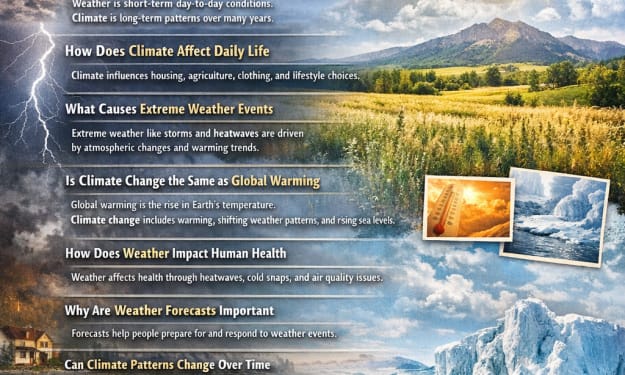
Weather and Climate Understanding the Forces That Shape Our Daily Lives Weather and climate play a central role in how people live work travel and plan for the future. From daily temperature changes to long term climate patterns these natural systems influence agriculture health economies and even global stability. Understanding the difference between weather and climate and knowing how they affect human life has become more important than ever especially as the world experiences more extreme conditions.
By America today 7 days ago in Earth



Comments
There are no comments for this story
Be the first to respond and start the conversation.