
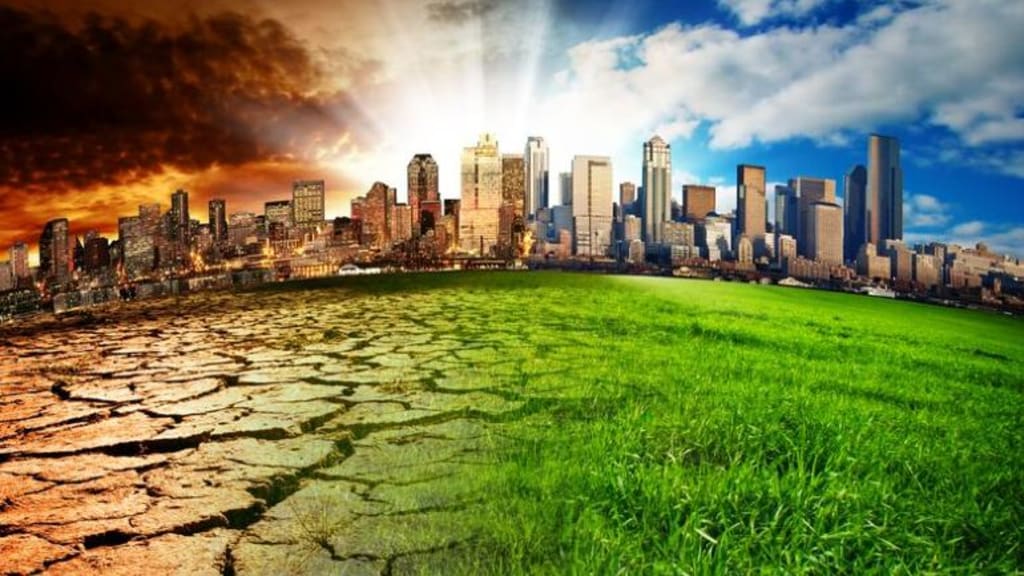
The climate of the world has become a significant global concern in recent years. The Earth's climate is undergoing unprecedented changes, largely driven by human activities and the release of greenhouse gases into the atmosphere. These changes have far-reaching implications for ecosystems, weather patterns, sea levels, and the overall well-being of the planet and its inhabitants. In this essay, we will explore the current climate situation, its impact on different regions, and the urgent need for collective action to mitigate and adapt to climate change.
The Earth's climate is complex and dynamic, influenced by various factors such as solar radiation, greenhouse gases, and natural climate cycles. However, human activities, particularly the burning of fossil fuels and deforestation, have significantly altered the delicate balance of the Earth's climate system. The concentration of carbon dioxide (CO2) and other greenhouse gases in the atmosphere has reached alarming levels, trapping heat and causing global temperatures to rise. This phenomenon, known as global warming, is the main driver of climate change.
The consequences of climate change are already visible and affecting every corner of the globe. One of the most evident impacts is the increase in extreme weather events. Heatwaves, droughts, floods, and intense storms are becoming more frequent and severe, endangering human lives, damaging infrastructure, and disrupting agricultural systems. These extreme weather events not only cause immediate devastation but also have long-term effects on food security, water resources, and public health.
Furthermore, climate change is altering the Earth's ecosystems and biodiversity. Rising temperatures are causing shifts in species distribution and disrupting delicate ecological balance. Coral reefs, for instance, are highly vulnerable to warmer waters, leading to coral bleaching and the subsequent loss of marine biodiversity. Melting ice caps and glaciers are contributing to rising sea levels, threatening coastal communities and increasing the risk of coastal erosion and flooding.
Different regions of the world are experiencing distinct climate impacts. In polar regions, the effects of climate change are particularly pronounced. The Arctic is warming at twice the rate of the global average, leading to the rapid melting of sea ice and the shrinking of the polar ice caps. This not only affects the habitats of species like polar bears and seals but also has implications for global climate patterns. The loss of reflective ice surfaces contributes to further warming as less sunlight is reflected back into space.
In low-lying coastal areas and small island nations, sea-level rise poses a severe threat. As the oceans warm and expand, and ice sheets melt, coastal regions face increased risks of inundation and coastal erosion. These vulnerable regions are already experiencing the impacts of rising sea levels, such as saltwater intrusion, loss of land, and the displacement of communities. The consequences are devastating, both environmentally and socially.
Developing countries in tropical regions face their own set of challenges. They are often more susceptible to the impacts of climate change due to their geographical location, limited resources, and high population densities. These regions are experiencing more frequent and intense heatwaves, droughts, and heavy rainfall, leading to water scarcity, crop failures, and increased vulnerability to diseases. The livelihoods of millions of people who depend on agriculture, fisheries, and forestry are at risk.
The urgency to address the climate crisis cannot be overstated. The consequences of inaction are dire, with potentially irreversible and catastrophic impacts on the planet and future generations. Recognizing this, the international community has taken steps to tackle climate change collectively. The landmark Paris Agreement, adopted in 2015, aims to limit global warming to well below 2 degrees Celsius above pre-industrial levels and pursue efforts to limit the temperature increase to 1.5 degrees Celsius. It also emphasizes the need for countries to adapt to the impacts of climate change and mobilize financial resources for climate action.
Mitigating climate change requires a significant reduction in greenhouse gas emissions. Transitioning to renewable energy sources, improving energy efficiency, and promoting sustainable practices in various sectors such as transportation, industry, and agriculture are crucial steps towards achieving this goal. Additionally, protecting and restoring forests, which act as carbon sinks, is vital for capturing and storing carbon dioxide from the atmosphere.
Adaptation is equally important in building resilience to the changing climate. Investing in climate-resilient infrastructure, implementing early warning systems, and enhancing disaster preparedness are key strategies to minimize the impacts of extreme weather events. Furthermore, promoting sustainable land and water management practices can help communities adapt to changing conditions and ensure food security.
The transition to a sustainable and low-carbon future requires the active participation and cooperation of governments, businesses, civil society, and individuals. It demands a shift in mindset and behavior, embracing sustainable practices in our daily lives, and supporting policies that prioritize the health of the planet. Education and awareness play a crucial role in fostering a collective understanding of the climate crisis and the urgency of action.
The climate of the world is at a critical juncture. The current trajectory of greenhouse gas emissions and global warming is unsustainable and threatens the very foundations of our societies and ecosystems. Addressing climate change requires a paradigm shift, where sustainability, resilience, and environmental stewardship become integral parts of our decision-making processes.
By taking immediate and decisive action, we can mitigate the worst impacts of climate change and create a more sustainable and equitable future for all. The time for action is now, and it is the responsibility of every individual and every nation to contribute towards a healthier and more resilient planet. The choices we make today will shape the climate of the world for generations to come.
About the Creator
Keep reading
More stories from Farhan Farooq and writers in Earth and other communities.
Death Valley sees its most spectacular superbloom in a decade
One of the most extreme landscapes on the planet—Death Valley National Park—is currently experiencing an extraordinary natural event: its most spectacular wildflower superbloom in a decade. What is usually a stark expanse of sun‑baked desert has transformed into sweeping carpets of vibrant color, drawing visitors, scientists, and photographers to witness a rare and fleeting burst of life. This year’s bloom, described by the U.S. National Park Service as the most dramatic since 2016, is the result of unusually wet weather during the fall and winter months. Typically known as the hottest and driest place in North America, Death Valley averages only about two inches of rain annually. But from late autumn through early January, the region received more than its yearly average in a short span, creating ideal conditions for dormant wildflower seeds to sprout and burst into bloom. A Desert Transformed Normally a landscape of sand and jagged rock, this spring the valley floor has come alive with a riot of pinks, purples, yellows, and whites. Species such as Desert Gold, Phacelia, Sand Verbena, and Mojave Desertstar blanket the ground, creating scenes that defy Death Valley’s harsh reputation. Park officials and wildlife enthusiasts alike have expressed amazement at the scale of the bloom and the speed with which it has taken over the valley. “This area that’s known basically for hot weather, sand and dirt has just become this amazing landscape of colors,” said David Blacker, executive director of the Death Valley Natural History Association. “The smell is just amazing.” At lower elevations, the wildflower display is already widespread and expected to last through mid to late March, weather permitting. As temperatures gradually shift, blooms at higher elevations may continue into April and even through June, though the full extent of later displays will depend on ambient heat and moisture levels. Rain: The Key to the Bloom Superblooms in desert environments are extremely rare and hinge upon a delicate balance of weather conditions. In Death Valley, a confluence of well‑timed rainfall events and moderate winter temperatures created just the right environment for seeds that often lie dormant for years to germinate, grow, and flower. Abby Wines, acting deputy superintendent at the park, noted that the exceptionally wet period provided more moisture than the valley would typically receive in an entire year. This unusual rainfall allowed plants to take root and flourish, even in areas that ordinarily remain barren. Although the term “superbloom” doesn’t have a strict scientific definition, it is widely used by park officials and visitors to describe years when wildflower blooms exceed normal patterns in scale and intensity. These events usually happen only once every decade or so in Death Valley, adding to their scarcity and appeal. A Magnet for Visitors and Scientists The rare spectacle has drawn crowds of visitors who typically think of Death Valley as nothing more than a harsh landscape of sand dunes and heat. In recent days, photographers and nature lovers have flocked to well‑known viewing areas such as Badwater Basin, Jubilee Pass Road, and surrounding alluvial fans where blooms are especially dense. Park officials are encouraging visitors to follow “Leave No Trace” principles: staying on designated paths, avoiding picking flowers, and being mindful of fragile ecosystems. Because these blooms are so dependent on specific conditions, conservation‑minded behavior plays a key role in protecting future displays. For scientists and ecologists, the superbloom offers a unique opportunity to observe how desert ecosystems respond to atypical weather events. Flowering cycles in these environments are closely tied to climatic patterns, and scientists can gather valuable data that may inform understanding of ecological resilience in the face of climate variability A Fleeting Celebration of Life Despite the stunning display, the superbloom is temporary. Once the rains stop and the desert heats up, the flowers will quickly fade and set seed, leaving behind a memory of colors before the valley reverts to its usual starkness. Still, for those who have made the journey this spring, the sight of Death Valley awash in hues of gold, purple, and pink is a reminder of nature’s capacity to surprise—and a testament to the fragile beauty that can spring from even the harshest environments.
By Fiaz Ahmed 3 days ago in Earth



Comments
There are no comments for this story
Be the first to respond and start the conversation.