
Woody vs. Herbaceous Biomass: Which Reigns Supreme in Charcoal Making?
Which Reigns Supreme in Charcoal Making?

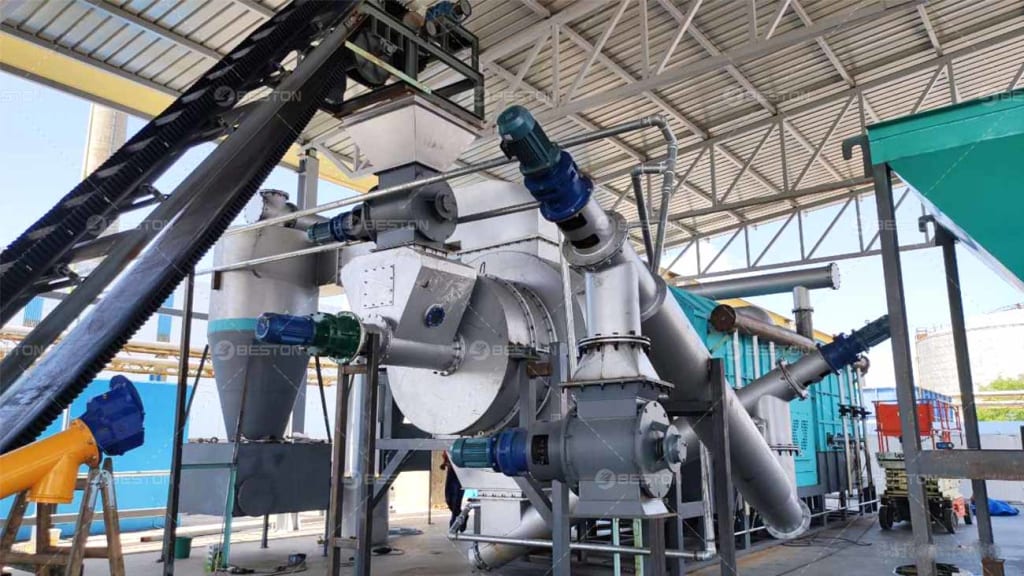
In the world of charcoal manufacturing, the choice of feedstock can make or break the final product. Two primary contenders dominate the scene: woody biomass (think tree trunks, branches, and sawdust) and herbaceous biomass (such as straw, grass, and crop residues). While both can be transformed into charcoal, their differences in structure, composition, and processing requirements set them apart. And when it comes to efficiency and quality, the right tools—like a reliable wood charcoal machine—play a pivotal role in bridging these gaps.
The Raw Material Showdown: Structure and Composition
Woody biomass is defined by its dense, lignin-rich structure. Trees and shrubs develop tough cell walls reinforced with lignin, a complex polymer that gives wood its rigidity. This high lignin content (typically 20-35%) is a boon for charcoal production, as lignin breaks down slowly under heat, leaving behind a porous yet sturdy carbon structure. In contrast, herbaceous biomass—like corn stalks, wheat straw, or switchgrass—has lower lignin levels (5-20%) and higher cellulose and hemicellulose content. These compounds are more water-soluble and break down faster during carbonization, resulting in a softer, less dense charcoal.
For manufacturers, this means woody biomass demands a more robust processing approach. A wood charcoal machine, designed to handle dense, fibrous materials, excels here. Its heavy-duty chambers and slower rotation speeds allow for thorough, even heating of wood chunks, ensuring that lignin is fully converted into carbon without overcomplicating the process. Herbaceous biomass, being lighter and more fibrous, often requires pre-processing (like chopping or pelletizing) before it can be fed into a carbonization system, but it rarely needs the same level of mechanical strength as a wood charcoal machine.
Processing Pathways: How Each Biomass Transforms into Charcoal
The carbonization process—where organic matter is heated in low-oxygen conditions—unfolds differently for woody and herbaceous biomass. Woody biomass, with its natural density, benefits from longer carbonization cycles. A wood charcoal machine capitalizes on this by maintaining temperatures between 400-600°C for 6-12 hours, depending on the wood type. This extended timeframe allows volatile compounds (like methane and tar) to escape gradually, leaving behind a hard, high-carbon charcoal with excellent heat retention.
Herbaceous biomass, on the other hand, carbonizes faster. Its lower lignin content means it releases volatile compounds more quickly, often completing the process in 3-6 hours at similar temperatures. However, this speed comes with challenges: rapid heating can cause uneven carbonization, leading to inconsistent charcoal quality. While a wood charcoal machine can process herbaceous biomass with adjustments to temperature and cycle time, dedicated systems for straw or grass often include features like moisture sensors to prevent overheating—something less critical for dense woody materials.
Another key difference lies in feedstock preparation. Woody biomass, such as logs or branches, must be cut into uniform sizes to fit into a wood charcoal machine, ensuring even heat distribution. Herbaceous biomass, being lighter and more flexible, can be processed in bulk but requires drying to reduce moisture content (ideally below 20%). Wet straw or grass, if fed into a carbonization system, can cause steam buildup and lower charcoal yield—a problem less common with wood, which naturally dries more slowly and evenly in storage.
Charcoal Quality: Strength, Burn Time, and Applications
The end products of woody and herbaceous biomass carbonization differ significantly in performance. Woody charcoal, forged in a wood charcoal machine, is dense and hard, with a high fixed carbon content (often 75-85%). This makes it ideal for applications requiring long burn times and steady heat, such as grilling, blacksmithing, or industrial heating. Its porous structure also allows for efficient combustion, reducing smoke and ash compared to other fuels.
Herbaceous charcoal, by contrast, is lighter and more brittle, with fixed carbon levels around 60-70%. It burns hotter but faster, making it suitable for quick cooking or as a soil amendment (biochar) rather than extended heating. While it can be used as a fuel, its lower density means it requires more storage space and may not be cost-effective for large-scale energy production.
For manufacturers targeting the consumer grilling market, woody charcoal—produced consistently with a wood charcoal making machine—remains the gold standard. Its reputation for reliability and performance keeps demand high, even as herbaceous options gain traction in sustainable agriculture.
Sustainability and Scalability: Which Biomass Fits Your Goals?
Sustainability is a critical factor in choosing between woody and herbaceous biomass. Woody biomass, when sourced from managed forests or sawmill waste, can be renewable, but overharvesting poses risks to ecosystems. Herbaceous biomass, often derived from agricultural waste (like rice straw or sugarcane bagasse), is a byproduct of existing systems, making it a circular choice. However, its lower energy density means transporting large volumes can negate environmental benefits.
Scalability also varies. A wood charcoal machine, with its ability to process dense materials efficiently, is well-suited for industrial operations. Herbaceous biomass processing, while scalable, requires more pre-treatment and larger storage facilities. For small-scale producers, herbaceous biomass may be easier to access locally, but for commercial ventures, woody biomass—paired with a reliable wood charcoal machine—offers higher yields and lower processing costs per unit of energy.
The Verdict: Choosing the Right Biomass for Your Needs
There’s no one-size-fits-all answer in the woody vs. herbaceous biomass debate. Woody biomass, with its superior charcoal quality and compatibility with a wood charcoal machine, is the top choice for high-performance fuel. Herbaceous biomass shines as a sustainable waste-recycling option, ideal for niche markets like biochar or small-scale fuel production.
Ultimately, the decision hinges on your goals: Are you prioritizing long burn times and consumer appeal? Woody biomass is the way to go, and investing in a quality wood charcoal machine will ensure consistent results. Are you focused on sustainability and waste reduction? Herbaceous biomass offers a compelling solution. Whichever path you choose, the transformation of plant matter into charcoal remains a fascinating blend of science, engineering, and environmental stewardship.
About the Creator
Bestonpyrolysis
Engaged in waste plastic/tyre/rubber recycling, oil sludge treatment, biomass recycling, sewage sludge management and paper recycling…
https://bestonpyrolysisplant.com/
Keep reading
More stories from Bestonpyrolysis and writers in Earth and other communities.
Upgraded Enclosed Combustion Systems: Revolutionizing Biochar Pyrolysis
In the realm of biochar production, the evolution of pyrolysis equipment has been driven by the pursuit of higher efficiency, stricter environmental compliance, and enhanced operational safety. Among the key advancements, the integration of enclosed combustion systems stands out as a game-changer. These systems are meticulously engineered to ensure the thorough combustion of combustible gases generated during the pyrolysis process, and their impact extends far beyond mere gas combustion. Let's delve deeper into how this technology is transforming the biochar industry.
By Bestonpyrolysis6 months ago in Earth
Trump’s Proposed Ban on Buying Single-Family Homes Introduces Uncertainty for Family Offices
Former President Donald Trump has proposed a controversial measure that would ban certain investors from purchasing single-family homes, sparking concern among family offices, real estate professionals, and affluent households across the United States. While the proposal is still in its early stages, it highlights tensions between housing affordability, investment strategies, and government regulation. Family offices—private wealth management firms that handle investments for high-net-worth families—are particularly affected, as single-family homes often form a key part of their diversified portfolios. Understanding the Proposed Ban The proposed policy aims to limit institutional investors and large-scale buyers from purchasing single-family homes, a move intended to increase housing availability for individual homebuyers and first-time families. Proponents argue that investment firms and private equity groups have increasingly dominated the single-family housing market, driving up prices and limiting access for ordinary buyers. Trump’s proposal, however, extends concerns to family offices. Unlike institutional investors, family offices often operate with smaller scale and focus on preserving wealth while generating steady returns. By restricting their ability to purchase single-family homes, the policy could inadvertently impact legitimate private wealth management strategies. Family Offices and Real Estate Family offices typically manage wealth for ultra-high-net-worth families, investing in a mix of assets including stocks, bonds, private equity, and real estate. Single-family homes are attractive for several reasons: Diversification: Real estate offers a hedge against market volatility. Stable Cash Flow: Rental properties provide recurring income. Appreciation Potential: Over time, well-chosen properties can increase in value. Legacy Planning: Homes are often used for long-term wealth transfer within families. By restricting access to single-family homes, family offices may need to rethink asset allocation and seek alternative investment avenues, potentially increasing reliance on commercial real estate, REITs, or other asset classes. Implications for the Housing Market A ban on single-family home purchases by certain investors could have both positive and negative effects on the housing market: Potential Benefits: Limiting investor activity might improve affordability and access for first-time homebuyers. In areas where institutional buyers have been driving prices up, the policy could reduce competition and slow price growth. Potential Drawbacks: Reduced investor activity might decrease liquidity in the market. Family offices and private investors often maintain properties, ensuring maintenance and stable rental supply. Limiting their participation could inadvertently reduce housing quality or slow new housing development. Moreover, uncertainty surrounding the proposal may influence market behavior, as buyers, sellers, and investors wait to understand regulatory details. This could temporarily cool investment activity, affect home valuations, and complicate financing decisions. Legal and Regulatory Considerations Implementing a ban of this scale would require complex legislation and enforcement mechanisms. Regulators would need to define which entities are restricted, how to monitor compliance, and what penalties would apply for violations. Family offices often operate in a hybrid space, blending private investment strategies with professional management structures. Defining which offices fall under restrictions could be legally challenging and may lead to lengthy court battles if policy implementation is unclear or inconsistent. Additionally, the proposal raises questions about federal vs. state authority in regulating housing markets. Real estate has traditionally been a mix of local zoning laws, state property rights, and federal regulations. A sweeping ban could create conflicts and require careful coordination across multiple levels of government. Reactions from Stakeholders Family Offices Family offices are expressing concern about the potential disruption to investment strategies and wealth management practices. Many offices rely on predictable legal frameworks to make long-term decisions. A sudden restriction could force them to divest existing holdings or abandon planned acquisitions, potentially reducing returns for families who depend on these investments. Real Estate Professionals Real estate brokers, developers, and property managers are also watching closely. While some welcome policies that improve access for individual buyers, others warn that restricting investment could reduce overall market activity. “We need to balance affordability with investment incentives,” says Sarah Jenkins, a real estate analyst. “Family offices and private investors play an important role in maintaining the housing supply and keeping rental markets stable.” Homebuyers and Advocacy Groups First-time homebuyers and housing advocacy groups largely support efforts to reduce institutional competition for single-family homes. Limiting large-scale investors could make it easier for ordinary buyers to compete in popular markets. However, the impact on wealthy private investors, like family offices, remains a point of debate. Broader Economic Considerations The proposed ban highlights the tension between housing affordability and private wealth management. Single-family homes are not only a place to live—they are also investment assets. Policies that affect one group of buyers may have unintended consequences for another. For family offices, the shift could prompt a broader reevaluation of asset allocation strategies, leading to increased focus on commercial real estate, international property markets, or alternative investments like private equity and infrastructure. This could ripple through financial markets, affecting liquidity, valuations, and even lending practices. Conclusion Trump’s proposed ban on purchasing single-family homes introduces significant uncertainty for family offices and other private investors. While the policy aims to improve housing accessibility for first-time buyers, it also poses challenges for wealthy families relying on real estate as a key component of their investment strategy. Navigating this uncertainty requires careful analysis, proactive planning, and legal guidance. Family offices may need to diversify holdings, explore alternative asset classes, or reconsider long-term strategies to ensure stability in an evolving regulatory environment. Ultimately, the proposal underscores a broader debate in the U.S. housing market: how to balance affordability, private investment, and the preservation of wealth in a way that supports both communities and investors. The coming months will be critical in shaping the future of housing policy and its impact on family offices nationwide.
By Muhammad Hassanabout 17 hours ago in Earth
Nature’s Hidden Gems: Discovering the Rarest Flowers on Earth
Introduction: When Beauty Meets Rarity Nature is filled with wonders, but few are as captivating—and as elusive—as the rarest flowers on Earth. From enormous parasitic blooms to delicate orchids that appear only under precise conditions, these plants challenge our understanding of survival, evolution, and beauty.
By Ahmed aldeabella2 days ago in Earth



Comments
There are no comments for this story
Be the first to respond and start the conversation.