
Upgraded Enclosed Combustion Systems: Revolutionizing Biochar Pyrolysis
How Sealed Combustion Technology Boosts Efficiency


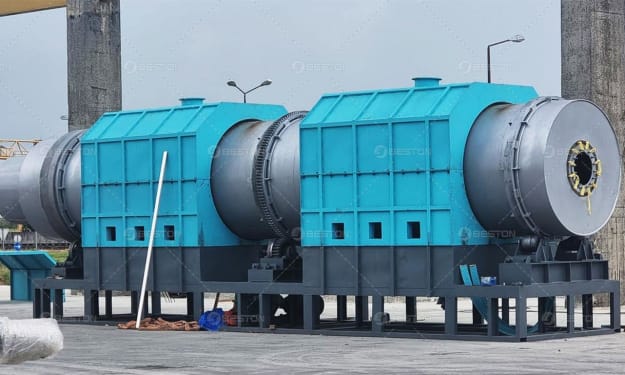
In the realm of biochar production, the evolution of pyrolysis equipment has been driven by the pursuit of higher efficiency, stricter environmental compliance, and enhanced operational safety. Among the key advancements, the integration of enclosed combustion systems stands out as a game-changer. These systems are meticulously engineered to ensure the thorough combustion of combustible gases generated during the pyrolysis process, and their impact extends far beyond mere gas combustion. Let's delve deeper into how this technology is transforming the biochar industry.
Improving energy utilization efficiency
Biochar pyrolysis is an energy-intensive process that relies on maintaining specific temperature ranges to break down organic materials into biochar. During this process, a mix of combustible gases, including carbon monoxide, methane, hydrogen, and various hydrocarbons, is released. In traditional open or poorly designed combustion systems, a significant portion of these gases either goes unburned or is vented into the atmosphere, wasting valuable energy.
Enclosed combustion systems, however, are designed with advanced burner technology and optimized gas flow dynamics. They create an environment where these gases are mixed with precisely controlled amounts of oxygen, ensuring complete oxidation. This not only releases the maximum possible thermal energy from the gases but also allows for efficient heat recovery. For instance, heat exchangers integrated into the system can capture the excess heat from the combustion process and redirect it to preheat the feedstock or maintain the pyrolysis reactor temperature. This closed-loop energy recycling can reduce external energy requirements by up to 30-40% in some industrial setups, making the entire production process far more sustainable.
Reducing pollutant emissions
Environmental regulations around the world are becoming increasingly stringent, placing strict limits on emissions of particulate matter, volatile organic compounds (VOCs), carbon monoxide, and other hazardous air pollutants. In older biochar production facilities, incomplete combustion of pyrolysis gases was a major source of these pollutants. Unburned hydrocarbons and particulate matter could drift into the surrounding air, while carbon monoxide, a toxic gas, posed risks to both human health and the environment.
Enclosed combustion systems address this issue by operating at high temperatures—often exceeding 850°C—which is sufficient to break down even the most stubborn pollutants. The sealed design prevents any unprocessed gases from escaping, ensuring that all harmful substances are subjected to the high-temperature combustion environment. For example, VOCs, which are a major contributor to smog formation, are completely oxidized into carbon dioxide and water vapor in these systems. Studies have shown that modern enclosed combustion systems can reduce particulate matter emissions by over 90% and cut carbon monoxide levels to near-undetectable levels, helping biochar producers meet even the most rigorous environmental standards.
Stabilizing the pyrolysis process
The quality and consistency of biochar are highly dependent on the stability of the pyrolysis temperature. Fluctuations in temperature can lead to variations in biochar properties, such as its carbon content, porosity, and nutrient-holding capacity. These variations can make the biochar less effective for its intended applications, whether in agriculture, soil remediation, or carbon sequestration.
Enclosed combustion systems play a critical role in maintaining temperature stability. By ensuring that the combustible gases are burned efficiently and uniformly, they provide a steady source of heat to the pyrolysis reactor. Advanced control systems, often featuring real-time temperature sensors and automated gas flow regulators, allow operators to fine-tune the combustion process to match the specific requirements of the feedstock. For example, when processing woody biomass, which has a higher lignin content, the system can adjust the air-to-fuel ratio to maintain the optimal temperature range of 400-600°C. This level of control not only improves the quality of the biochar but also increases its yield by minimizing the loss of organic material to incomplete pyrolysis.
Saving energy and reducing consumption
Energy costs are a significant expense for biochar producers, especially those operating large-scale facilities. Enclosed combustion systems help mitigate these costs by turning a waste product—pyrolysis gases—into a valuable energy source. Instead of relying solely on fossil fuels or electricity to power the pyrolysis process, producers can use the energy from the combustible gases generated during production.
Over time, this can lead to substantial cost savings. For a medium-sized biochar plant producing 500 tons of biochar per year, the energy savings from an enclosed combustion system can amount to tens of thousands of dollars annually. Additionally, by reducing reliance on external energy sources, these systems also lower the carbon footprint of biochar production. This is particularly important as the demand for sustainable and low-carbon products continues to grow, giving biochar producers a competitive edge in the market.
Enhancing operational safety
The combustible gases produced during pyrolysis are not only valuable sources of energy but also pose significant safety risks if not handled properly. Methane, for example, is highly flammable and can form explosive mixtures with air if leaked into the environment. Carbon monoxide, on the other hand, is odorless and toxic, making it a silent threat to workers.
Enclosed combustion systems are designed with multiple safety features to minimize these risks. The sealed combustion chamber prevents gas leaks, while pressure relief valves and flame arrestors provide additional layers of protection. Gas monitoring sensors placed throughout the system can detect even small leaks and trigger automatic shutdowns if necessary. These safety measures not only protect the lives of operators but also reduce the risk of equipment damage and production downtime, further enhancing the economic viability of the biochar production process.
In conclusion, the enclosed combustion system is more than just a technical upgrade for biochar pyrolysis equipment—it is a cornerstone of modern, sustainable biochar production. By improving energy efficiency, reducing emissions, stabilizing the production process, saving costs, and enhancing safety, this technology is helping to drive the biochar industry forward. As the world continues to seek solutions for climate change and sustainable agriculture, the role of enclosed combustion systems in biochar production will only become more important.
About the Creator
Bestonpyrolysis
Engaged in waste plastic/tyre/rubber recycling, oil sludge treatment, biomass recycling, sewage sludge management and paper recycling…
https://bestonpyrolysisplant.com/
Keep reading
More stories from Bestonpyrolysis and writers in Earth and other communities.
How Straw Pyrolysis Outperforms Straw Burning in Carbon Reduction
In recent years, environmental concerns have brought the issue of carbon emissions and waste management into sharp focus. One such concern is the agricultural waste, particularly straw, which is traditionally managed through the method of burning. However, a more sustainable and carbon-friendly method has emerged: straw pyrolysis. This article explores why straw pyrolysis is far superior to straw burning in terms of reducing carbon emissions and contributing to a more sustainable agricultural sector.
By Bestonpyrolysis7 months ago in Earth
This Is What I Do When People Throw Rocks At Me
Rocks have been thrown at me for a greater part of my life. Some have been small and missed hitting me. When people don't get a reaction from me, they throw bigger rocks with a better aim. Many have been hurled at me with precision over the years. For a long time, I thought my only options were to dodge them or be crushed by them.
By Margaret Minnicks5 days ago in Confessions


Comments
There are no comments for this story
Be the first to respond and start the conversation.