
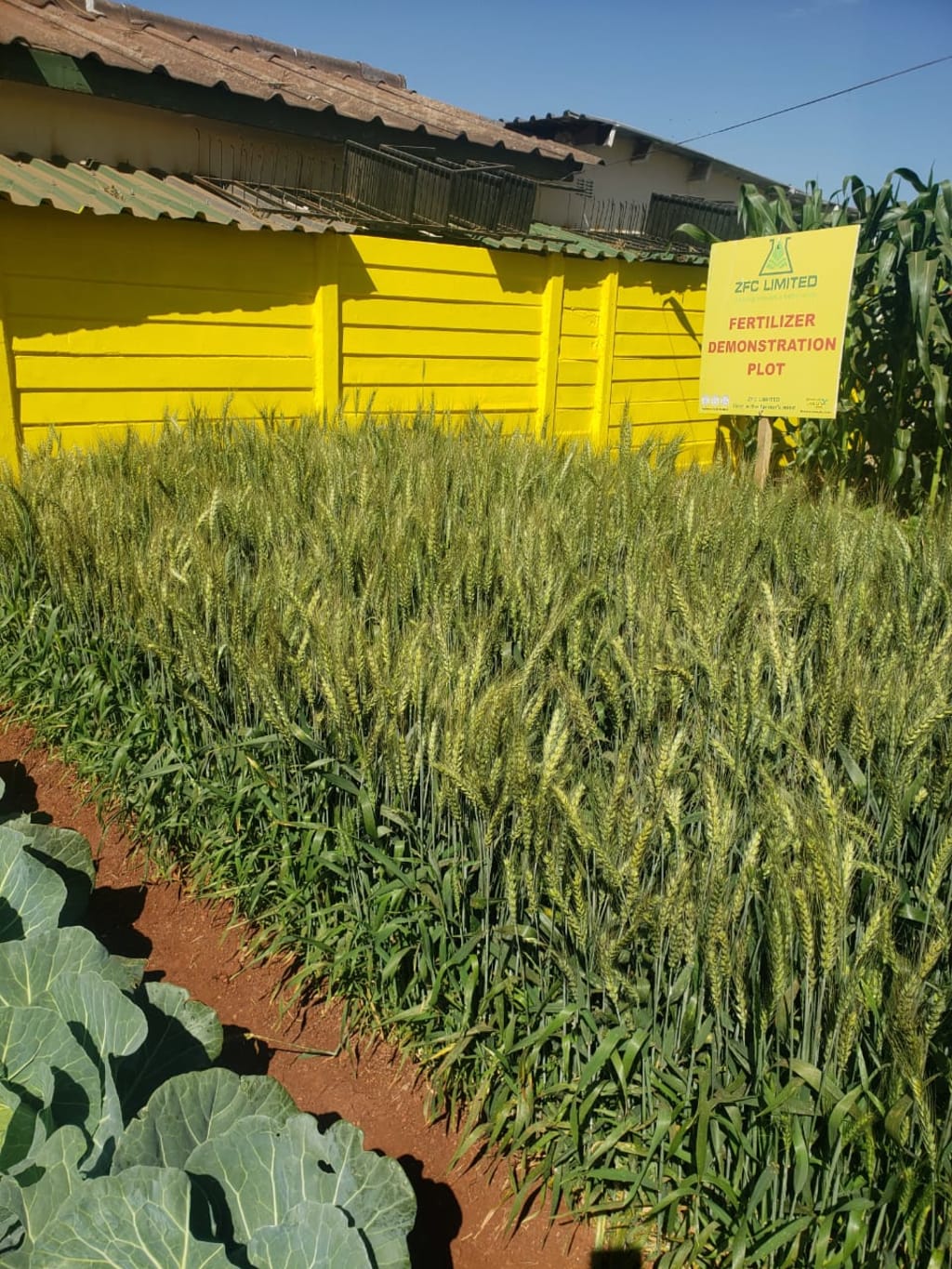
Winter wheat farming in Africa has become increasingly important in recent years, as it contributes to food security, economic development, and the diversification of agricultural systems. While winter wheat is not as widely cultivated in Africa as it is in other parts of the world, countries such as Morocco, Algeria, Tunisia, Egypt, and Ethiopia have made significant progress in its production.
The success of winter wheat farming in Africa is influenced by various factors, with climate being a key consideration. Winter wheat is a cool-season crop that thrives in temperate climates with mild winters. The northern regions of Africa experience relatively cooler temperatures during the winter months, providing suitable conditions for winter wheat cultivation. The average temperatures in these regions range from 10 to 20 degrees Celsius (50 to 68 degrees Fahrenheit) during the growing season, allowing the crop to develop properly.
Water availability is a critical aspect of winter wheat farming in Africa. Many African countries experience limited rainfall during the winter season, necessitating the use of irrigation systems. Farmers rely on various irrigation methods, such as drip irrigation, center pivot systems, or traditional flood irrigation, to provide the necessary water for crop growth. These irrigation systems help maintain optimal soil moisture levels and ensure the successful cultivation of winter wheat.
The selection of appropriate winter wheat varieties is crucial for maximizing yields and adapting to local conditions. Agricultural scientists and breeders have developed specific varieties suited to the African environment. These varieties are often bred to be drought-tolerant, disease-resistant, and have shorter growing cycles to fit within the limited winter season. The use of improved seed varieties has significantly contributed to enhanced yields and overall productivity in winter wheat farming.
Effective crop management practices are essential for a successful winter wheat farming system. Farmers need to carefully consider planting dates to ensure proper timing for optimal growth. Early planting allows the wheat to establish strong root systems before winter sets in. Fertilization is another critical aspect, ensuring that the crop receives adequate nutrients for healthy growth and high yields. Weed control measures are implemented to minimize competition for resources, and pest and disease management strategies are employed to protect the crop from potential threats.
Harvesting of winter wheat in Africa generally takes place in late spring or early summer, depending on the specific region and planting time. Once the crop reaches maturity, it is harvested using combines or other appropriate machinery. Efficient harvesting techniques are employed to minimize losses and ensure the quality of the harvested grain.
While winter wheat farming presents significant opportunities, it also faces several challenges in Africa. Water scarcity is a major issue in many regions, and access to reliable irrigation systems can be limited. Additionally, small-scale farmers often lack access to modern agricultural technologies, including mechanization, which can hinder their productivity and efficiency. Pests and diseases, such as rusts and aphids, pose threats to winter wheat crops, requiring vigilant monitoring and appropriate management practices.
To support and promote winter wheat farming, governments and agricultural organizations in some African countries provide various forms of assistance to farmers. This support may include the provision of irrigation infrastructure, training programs on best practices, financial assistance, and the distribution of improved seed varieties. These initiatives aim to enhance farmers' capacity, increase yields, and promote sustainable agricultural practices.
In conclusion, winter wheat farming in Africa has gained importance due to its contribution to food security, economic development, and agricultural diversification. The northern regions of the continent provide favorable climatic conditions for winter wheat cultivation. With the use of effective irrigation systems, the selection of appropriate varieties, and the implementation
About the Creator
Reader insights
Outstanding
Excellent work. Looking forward to reading more!
Top insights
Eye opening
Niche topic & fresh perspectives
On-point and relevant
Writing reflected the title & theme
Keep reading
More stories from writers in Earth and other communities.
Spotlight on the Risks of An Exploding Sea Urchin Population
The marine ecosystem is a complicated place full of millions of species and hundreds of thousands of critically interdependent relationships. While the decline of some species populations might have only marginal effects on the health of the world’s oceans, others could set off a chain of events that could ultimately be catastrophic.
By Virginia Chipurnoi4 days ago in Earth
Cabin Fever Because of Snow, Sleet, and Freezing Rain That Turned to Icy Roads
What Is Cabin Fever? The short answer is that cabin fever is restlessness from being in a confined area. Cabin fever is the distressing irritability or restlessness experienced when a person or group is stuck at an isolated location or in confined quarters for an extended time. Research shows that prolonged cold, gray skies, and being stuck indoors can trigger mood shifts similar to “winter blues.”
By Margaret Minnicks3 days ago in Humans




Comments
There are no comments for this story
Be the first to respond and start the conversation.