
Widespread Warmth Predicted for Northern Hemisphere Through Late Winter 2026
Seasonal forecasts indicate elevated chances for above-normal temperatures across Europe, North America, and northern Asia, reinforcing a trend of persistent high-latitude winter warmth

Elevated Warmth Forecast for Northern Latitudes Through Late Winter
Seasonal climate models consistently project above-normal temperatures for key mid- to high-latitude regions, reinforcing a pattern of persistent winter warmth.
Seasonal outlooks for the remainder of the 2025-2026 winter indicate a strong and widespread signal for above-normal temperatures across the Northern Hemisphere's mid- to high-latitude land areas. This projection, supported by multiple global forecasting centers, includes a high probability for warmer-than-average conditions across much of Europe, North America, and northern Asia. The forecast aligns with the broader pattern of a fading La Niña whose atmospheric influence continues to shape global weather, even as the ocean phenomenon itself weakens.
Persistent High-Latitude Warming Signal
The temperature forecast for the late winter period (January-March 2026) shows remarkable consistency across regions. The signal for warmth is not isolated but forms a near-continuous belt across the planet's northern landmasses. This is a direct reflection of the current climatic forces at play, where the lingering atmospheric footprint of La Niña interacts with the dominant background warming driven by human-caused climate change. The persistence of this signal across multiple, independent seasonal models gives forecasters high confidence in its likelihood.
For Europe, this typically translates to a reduced frequency and intensity of severe cold outbreaks. In North America, the pattern often manifests as milder conditions across central and eastern regions, though with important regional variations. Northern Asia, including Siberia, is also projected to experience temperatures above the seasonal norm, which can have implications for snowpack and permafrost.
Regional Implications and Precipitation Patterns
While the temperature signal is broadly consistent, the impacts on precipitation and specific weather events vary significantly by region. The warmer conditions do not necessarily mean a complete absence of winter weather, but they do tilt the odds toward less snow cover where temperatures hover near freezing and toward precipitation falling more often as rain rather than snow in marginal areas.
· North America: The forecast maintains a classic, albeit fading, La Niña-like precipitation dipole. This favors wetter-than-normal conditions for the Pacific Northwest, northern Rockies, and parts of the Great Lakes, while drier conditions are more likely across the southern tier of the United States. The warmer temperatures may exacerbate drought concerns in these southern areas by increasing evaporation.
· Europe: Precipitation patterns are more variable, but the dominant warmer signal can intensify the hydrological cycle. This may lead to a higher proportion of heavy rainfall events during the winter months, particularly in western and northern Europe, raising the risk of flooding in vulnerable areas.
· Northern Asia: Above-normal temperatures in this region can accelerate the seasonal melt of snow and ice, affecting river flow patterns later in the spring. It can also influence large-scale atmospheric circulation patterns, such as the strength and position of the Siberian High, with downstream effects on weather in East Asia.
Climate Context and the Path Forward
This seasonal warmth is part of a much longer-term trend. Data from climate agencies, including NASA and NOAA, confirm that the last decade has been the warmest on record, with each successive La Niña year now being warmer than previous El Niño years were just decades ago. The UK Met Office's projection that 2026 will likely be one of the four warmest years on record, at approximately 1.46°C above pre-industrial levels, provides the essential backdrop to this seasonal forecast. The seasonal warmth in northern latitudes is a contributing component to that expected global heat.
The consistent projection of winter warmth in the planet's northern regions has real-world consequences. It affects energy demand for heating, water resource management through snowpack, the viability of winter tourism and agriculture, and the frequency of weather-related hazards. For policymakers and planners, these seasonal outlooks are not just academic exercises but vital tools for building economic and social resilience. As the climate continues to change, understanding and preparing for these shifted seasonal odds becomes increasingly critical for adapting to the new normal of a warmer world.
About the Creator
Saad
I’m Saad. I’m a passionate writer who loves exploring trending news topics, sharing insights, and keeping readers updated on what’s happening around the world.
The Human Side of the Storm: How Weather Radar Changed the Way I See the Sky
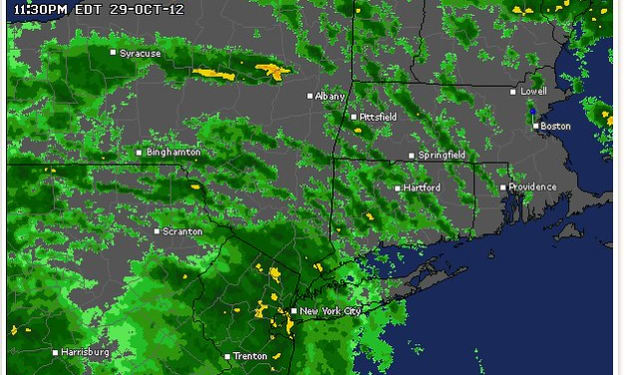
When I was a kid, watching the local meteorologist felt like watching a magician. The radar behind them—a swirl of greens, yellows, and reds—was an enchantment. They’d point, circle, and predict where the storm would move, and somehow, they were always close enough to right. I didn’t know it then, but I was watching the visible language of data before I ever knew what data was. The radar was our oracle, and every flash of color meant something invisible but immediate: wind, rain, and risk.
By Trend Vantagea day ago in Earth
Saudi Arabia Flour Market Size and Forecast 2025–2033
The Saudi Arabia Flour Market is undergoing a significant transformation, supported by population growth, urbanization, dietary changes, and government initiatives to strengthen food security. According to Renub Research, the market is expected to grow from US$ 2.01 billion in 2024 to US$ 3.03 billion by 2033, registering a compound annual growth rate (CAGR) of 4.66% from 2025 to 2033.
By Sushant. Renub Research2 days ago in Earth



Comments
There are no comments for this story
Be the first to respond and start the conversation.