
Why Reusable Bags: The Sustainable Choice for a Greener Future
Plastic waste has become an increasingly pressing issue in today's world, with devastating consequences for our environment. As we grapple with the consequences of excessive plastic consumption, one simple change we can make is adopting reusable bags. In this article, we explore the benefits of reusable bags, their impact on the environment, and how they can contribute to a sustainable future.
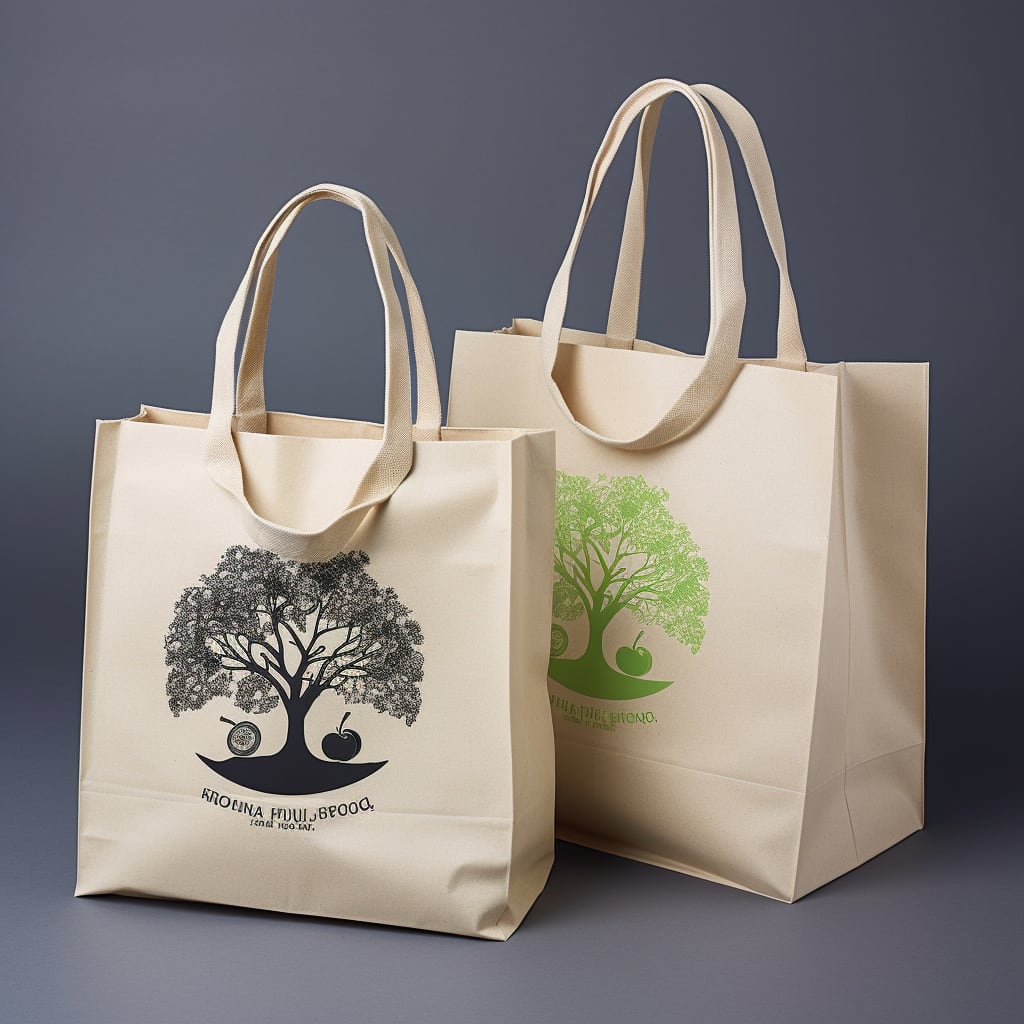
The importance of reducing plastic waste
Plastic waste has become a global crisis, posing severe threats to our ecosystems, wildlife, and human health. Single-use plastic bags, in particular, contribute significantly to this problem. It is crucial that we find alternatives to reduce our reliance on disposable bags and shift towards more sustainable practices.
Introduction to reusable bags
Reusable bags are sturdy, long-lasting alternatives to single-use plastic bags. Made from materials like cotton, canvas, jute, or recycled plastics, these bags offer a durable and eco-friendly option for carrying groceries, shopping items, and more. Let's delve into the numerous benefits of using reusable bags and how they can make a positive impact on the environment.
Environmental Impact of Single-Use Plastic Bags
Single-use plastic bags have a detrimental effect on the environment, leading to various ecological problems.
Pollution and littering
Plastic bags, when not properly disposed of, often end up polluting our surroundings. They clutter streets, parks, and water bodies, creating an eyesore and damaging the aesthetics of our communities.
Harm to wildlife and marine ecosystems
Wildlife, both on land and in water, is severely impacted by plastic bag pollution. Animals can mistake these bags for food, leading to ingestion and choking hazards. Additionally, plastic bags find their way into water bodies, causing harm to marine life through entanglement or ingestion.
Resource depletion and greenhouse gas emissions
Single-use plastic bags contribute to the depletion of fossil fuels and the emission of greenhouse gases during their production. By opting for reusable bags, we can significantly reduce our reliance on these non-renewable resources and minimize our carbon footprint.
Advantages of Reusable Bags
Reusable bags offer several advantages over their disposable counterparts, making them an excellent choice for eco-conscious individuals.
Durability and longevity
Reusable bags are designed to be sturdy and long-lasting. Unlike flimsy plastic bags that tear easily, reusable bags can withstand heavy loads, ensuring that your items are securely carried from one place to another.
Reduction in waste and litter
By switching to reusable bags, we can dramatically reduce the amount of plastic waste generated. These bags can be used repeatedly, eliminating the need for single-use plastics that end up in landfills or polluting our environment.
Conservation of resources and energy
The production of plastic bags requires significant amounts of energy and resources. Reusable bags, on the other hand, can be made from sustainable materials and can be used for years, reducing the demand for new bags and conserving valuable resources.
Cost-effectiveness
While reusable bags may have a slightly higher upfront cost, they offer long-term savings. Many retailers provide incentives for customers who bring their own bags, such as discounts or loyalty points, further enhancing their cost-effectiveness.
Types of Reusable Bags
Reusable bags come in various types, each with its unique features and benefits. Understanding these options can help you choose the right bag for your needs.
Cotton or canvas bags
Cotton and canvas bags are popular choices due to their durability and natural fibers. They are washable and can withstand heavy items, making them ideal for grocery shopping or carrying everyday essentials.
Jute or burlap bags
Jute and burlap bags are made from natural fibers derived from plants. These bags are biodegradable, offering an eco-friendly alternative. They are strong, breathable, and suitable for carrying produce or other items.
Non-woven polypropylene bags
Non-woven polypropylene bags are lightweight, water-resistant, and easy to clean. They are commonly used for promotional purposes, but their durability makes them suitable for multiple uses.
Recycled plastic bags
Recycled plastic bags provide a sustainable option by utilizing post-consumer plastic waste. By diverting plastic from landfills and recycling it into new bags, we can help reduce the environmental impact associated with plastic production.
Using Reusable Bags for Shopping
Carrying capacity and convenience
Reusable bags come in various sizes and styles, offering ample space for your shopping needs. Some bags have compartments or pockets for organizing items, making them convenient for grocery runs or shopping sprees.
Cleaning and maintenance tips
To ensure the longevity of your reusable bags, it's essential to keep them clean. Most fabric bags can be machine-washed, while plastic or non-woven bags can be wiped clean with a damp cloth. Regular cleaning helps maintain hygiene and prevents odors.
Remembering to bring reusable bags
One challenge many individuals face when adopting reusable bags is remembering to bring them along. Establishing a routine, keeping bags in your car or near the front door, or using foldable bags that can be easily carried in a purse or pocket can help overcome this hurdle.
Reusable Bags as a Fashion Statement
Stylish designs and customization options
Reusable bags have evolved from simple, plain designs to fashionable accessories. Many brands offer a wide range of trendy patterns, colors, and prints, allowing you to express your style while making an eco-friendly choice.
Promoting eco-friendly values
Carrying reusable bags sends a powerful message to others, promoting sustainable practices and encouraging others to follow suit. By incorporating reusable bags into our daily lives, we contribute to a collective effort towards a greener future.
Overcoming Challenges and Resistance
Breaking habits of using plastic bags
Shifting from single-use plastic bags to reusable alternatives requires breaking old habits. It may take time to adjust, but with persistence and commitment, this change becomes more natural over time.
Encouraging behavior change through awareness campaigns
Raising awareness about the environmental impact of plastic bags and promoting the benefits of reusable bags can help encourage behavior change. Public campaigns, educational programs, and initiatives by environmental organizations play a crucial role in spreading the message and inspiring action.
Government regulations and incentives
Government regulations, such as imposing fees or bans on single-use plastic bags, can significantly influence consumer behavior. Incentives, such as tax breaks or subsidies for businesses that promote reusable bags, can also drive adoption and reinforce positive change.
Reusable Bags and Corporate Responsibility
Businesses promoting sustainability
Many businesses are recognizing the importance of corporate responsibility and sustainability. Retailers and brands are actively encouraging customers to bring their own bags, offering incentives, and implementing environmentally friendly packaging options.
Partnering with retailers and brands
Collaborations between reusable bag manufacturers and retailers/brands can amplify the message of sustainability and provide customers with easy access to reusable bags. Such partnerships can create a win-win situation by reducing plastic waste and promoting eco-friendly values.
Conclusion
Adopting reusable bags is a simple yet impactful step towards reducing plastic waste and building a sustainable future. By choosing reusable bags over single-use plastic bags, we can make a significant difference in preserving our environment, protecting wildlife, and conserving valuable resources. Let's embrace this eco-friendly choice and inspire others to join us on this journey towards a greener planet.
FAQs
Q: Are reusable bags more expensive than plastic bags?
A: While reusable bags may have a higher upfront cost, they offer long-term savings. Many retailers provide incentives for using reusable bags, making them a cost-effective choice in the long run.
Q: Can I wash reusable bags?
A: Yes, most reusable bags can be washed. Fabric bags can be machine-washed, while plastic or non-woven bags can be wiped clean with a damp cloth.
Q: How can I remember to bring my reusable bags when shopping?
A: Establish a routine by keeping reusable bags in your car or near the front door. Alternatively, opt for foldable bags that can be easily carried in a purse or pocket, ensuring you always have them with you.
About the Creator
Keep reading
More stories from Mohammad Fazil and writers in Earth and other communities.
Saudi Green Initiative: Paving the Path to a Sustainable Future
Introduction In recent years, there has been an increasing global awareness of the need to address environmental challenges and transition towards sustainable practices. Saudi Arabia, as a responsible global citizen, has launched the Saudi Green Initiative, an ambitious and comprehensive plan aimed at preserving the environment and fostering sustainability. This article explores the various aspects of the Saudi Green Initiative, its objectives, key focus areas, economic implications, and benefits for Saudi Arabia.
By Mohammad Fazil3 years ago in Earth
Temperatures Plummet With Wind Chills in Single Digits
Winter is showing no mercy as temperatures across many regions have plummeted, with wind chills dropping into single digits. Meteorologists are warning residents to take precautions, citing the risks of frostbite, hypothermia, and other cold-related hazards. This cold snap is shaping up to be one of the most intense of the season, affecting daily routines, travel, and public safety.
By Aarif Lashariabout 5 hours ago in Earth




Comments
There are no comments for this story
Be the first to respond and start the conversation.