
Temperatures Plummet With Wind Chills in Single Digits
Winter’s icy grip tightens as extreme cold sweeps across regions
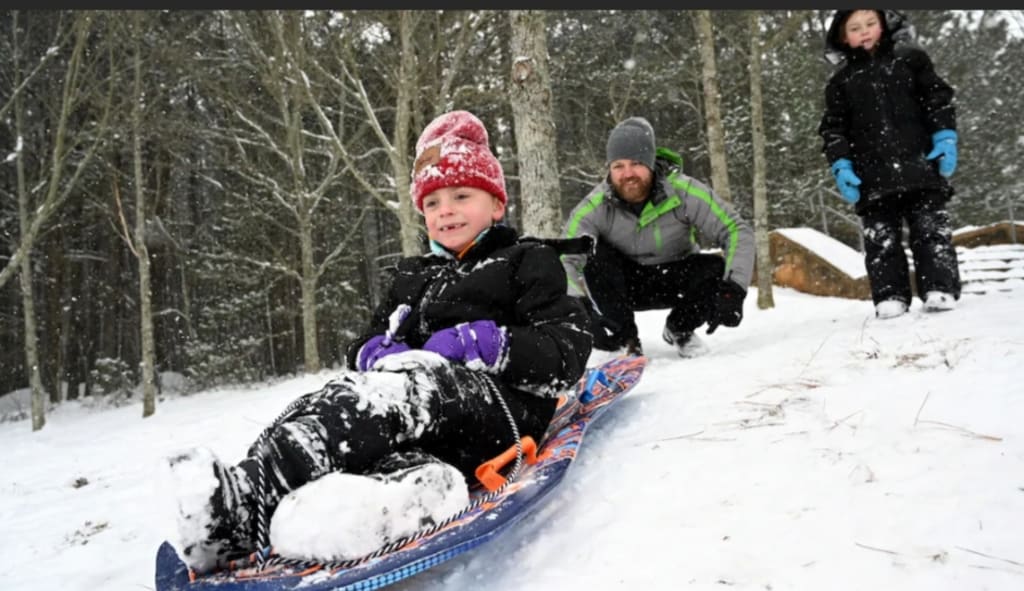
Winter is showing no mercy as temperatures across many regions have plummeted, with wind chills dropping into single digits. Meteorologists are warning residents to take precautions, citing the risks of frostbite, hypothermia, and other cold-related hazards. This cold snap is shaping up to be one of the most intense of the season, affecting daily routines, travel, and public safety.
The Meteorological Context
The current freeze is driven by a strong Arctic air mass descending from the north. Combined with gusty winds, this has created dangerously low wind chills that make the air feel much colder than the thermometer reads.
Air temperatures are hovering just above freezing in many locations.
Wind chill values in some areas have reached single digits Fahrenheit (or Celsius, depending on the region).
The combination of temperature and wind can make exposure to the elements unsafe in as little as 10–15 minutes.
Meteorologists emphasize that wind chill is a critical factor, as it accelerates heat loss from the body.
Impact on Daily Life
The drop in temperature is more than just uncomfortable—it has practical implications for everyday life.
1. Transportation Challenges
Roads are icy and slippery, increasing the risk of accidents.
Public transportation may face delays due to frozen tracks or vehicle malfunctions.
Drivers are urged to keep emergency supplies in vehicles and avoid unnecessary travel.
2. Energy Demand
Households are relying heavily on heating systems, which can strain the electrical grid.
Utilities may issue alerts to manage peak demand and prevent outages.
Residents are encouraged to monitor energy usage and use space heaters safely.
3. Health Concerns
Cold exposure can trigger frostbite, particularly on fingers, toes, ears, and nose.
Hypothermia risk increases when people are outside for prolonged periods.
The elderly, infants, and people with chronic illnesses are particularly vulnerable.
Safety Tips for Residents
Public health agencies emphasize precautions to minimize risk during extreme cold spells:
Dress in Layers: Insulating and windproof layers help trap body heat.
Cover Extremities: Hats, scarves, gloves, and thermal socks are essential.
Limit Time Outdoors: Reduce exposure and take breaks in warm shelters.
Stay Dry: Wet clothing accelerates heat loss.
Check on Vulnerable Neighbors: Elderly residents and those with medical conditions need support.
For drivers, carrying blankets, water, and non-perishable snacks is recommended in case of emergency.
Effects on Wildlife and Environment
The extreme cold also impacts wildlife. Animals struggle to find food and water when lakes freeze or snow covers the ground. Conservation experts suggest:
Avoid disturbing animals, as they are already stressed by harsh conditions.
Provide shelter or safe passages in urban areas for small wildlife.
Frozen roads, icy sidewalks, and heavy snow can also damage trees, power lines, and infrastructure.
Meteorologists’ Forecast
Weather experts predict that this Arctic cold front may persist for several days, with temperatures remaining below seasonal averages. Some regions might see:
Nighttime lows in single digits
Daytime highs barely above freezing
Occasional flurries or snow showers
Authorities are urging the public to monitor local forecasts and updates for changing conditions.
Community and Public Response
Local authorities are responding to the cold snap with emergency measures:
Opening warming shelters for those without heating.
Providing guidance for safe use of home heaters to prevent fires.
Reminding residents about the importance of checking on neighbors and vulnerable community members.
Schools and workplaces may adjust schedules to ensure safety, while health services prepare for an increase in cold-related emergencies.
Preparedness for Extreme Weather
Extreme cold like this reminds communities of the importance of winter preparedness:
Emergency kits with water, food, and blankets
Vehicle winterization including antifreeze, winter tires, and battery checks
Home insulation to conserve heat and reduce energy costs
Preparedness not only protects individuals but also supports emergency services by reducing unnecessary calls and incidents.
The Science Behind Wind Chill
Wind chill occurs when moving air accelerates the rate of heat loss from the body, making it feel colder than the actual air temperature. Factors influencing wind chill include:
Wind speed
Air temperature
Exposure level (bare skin vs covered skin)
Even moderately cold air can become dangerous when paired with strong winds. Experts often issue wind chill warnings to help people understand the risks and take action.
Coping With the Cold in Daily Life
Residents are encouraged to adjust routines during cold snaps:
Exercise indoors rather than outside
Stock up on groceries to avoid venturing out
Use technology for remote work or online services to minimize exposure
Many people also use this time for indoor hobbies, reading, or virtual social connections, emphasizing health and safety.
Conclusion
The current cold spell, with temperatures plunging and wind chills in single digits, serves as a reminder of winter’s challenges. From transportation disruptions to health risks, residents must take the cold seriously. By following safety advice, preparing homes and vehicles, and checking on vulnerable individuals, communities can navigate extreme cold conditions safely.
As the Arctic air persists, staying informed and cautious remains the best defense. Winter may be harsh, but with planning and awareness, its risks can be managed effectively.
About the Creator
Keep reading
More stories from Aarif Lashari and writers in Earth and other communities.
Laura Dern Names Adam Sandler as Her Favorite On-Screen Kissing Partner
In a recent interview that has fans buzzing, Oscar-winning actress Laura Dern revealed that her favorite on-screen kissing partner is none other than Adam Sandler. Known for her impressive body of work across drama and comedy, Dern’s revelation adds a playful, humanizing touch to the glitz of Hollywood life.
By Aarif Lashariabout 9 hours ago in Earth
The Nature that Raised Me
I believe in nature, because in truth, she raised me. My life thus far has been touched by a never-ending series of the most wild and mystical landscapes one could ever hope to behold. And each place is so different, so phenomenally awe-inspiring, that the memories I hold of each one are still as vivid as though I were there yesterday.
By Maura Bernsteinabout 6 hours ago in Earth



Comments
There are no comments for this story
Be the first to respond and start the conversation.