
Why Protecting Biodiversity is Essential for Our Survival
Safeguarding Life's Foundation: Exploring the Imperative of Protecting Biodiversity for the Continued Existence and Well-being of Humanity

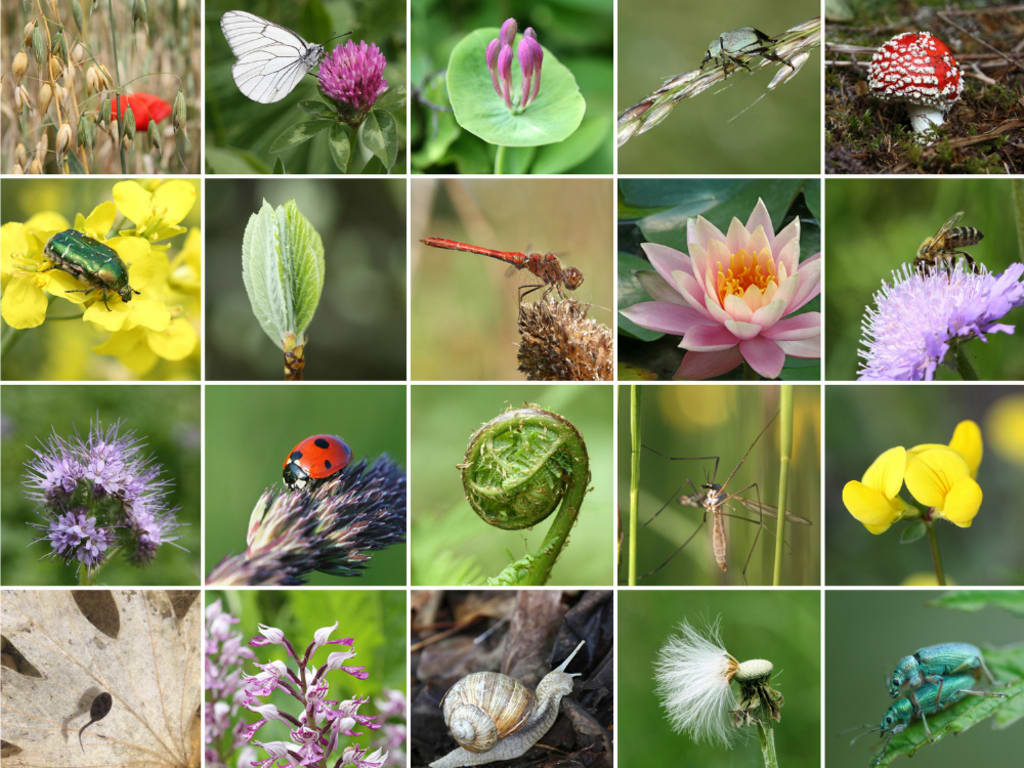
Biodiversity, the incredible variety of life on Earth, is the foundation of our existence. It encompasses the countless species of plants, animals, and microorganisms that inhabit our planet, as well as the ecosystems and ecological processes they form. However, human activities, such as habitat destruction, climate change, pollution, and overexploitation, are causing a rapid decline in biodiversity. In this article, we will explore why protecting biodiversity is essential for our survival and the many benefits it provides for humanity.
Ecosystem Stability
Biodiversity is crucial for maintaining the stability and resilience of ecosystems. Each species plays a unique role in the intricate web of life, contributing to the functioning of ecosystems and the services they provide. From pollination and seed dispersal to nutrient cycling and pest control, these ecosystem services are vital for sustaining human life.
Food Security
Biodiversity is closely linked to food security. A diverse range of plant and animal species is essential for agricultural productivity, genetic diversity in crop varieties, and resilience to pests, diseases, and climate change impacts. Neglecting biodiversity in our food systems puts our ability to feed a growing global population at risk.
Medicinal Resources
Biodiversity is a treasure trove of potential medicinal resources. Many of our most effective drugs, including antibiotics, painkillers, and anticancer agents, have originated from natural compounds found in plants, animals, and microorganisms. Protecting biodiversity ensures the preservation of these invaluable resources for future medical breakthroughs.
Climate Regulation
Healthy ecosystems, rich in biodiversity, play a critical role in regulating the Earth's climate. Forests, for example, act as carbon sinks, absorbing and storing significant amounts of carbon dioxide, a major greenhouse gas. Preserving biodiversity, particularly in forests and other carbon-rich ecosystems, is essential for mitigating climate change and maintaining a stable climate.
Water Resources
Biodiversity is closely tied to the quality and availability of water resources. Healthy ecosystems, such as wetlands and forests, act as natural water filters, purifying water and regulating its flow. Protecting biodiversity in these ecosystems ensures the provision of clean drinking water, supports water-dependent industries, and mitigates the risks of floods and droughts.
Cultural and Spiritual Value
Biodiversity is deeply intertwined with human cultures and spirituality. Many indigenous communities have a profound connection with their local ecosystems, relying on biodiversity for sustenance, cultural practices, and traditional knowledge. Preserving biodiversity safeguards cultural heritage and the intangible values associated with our natural world.
Economic Benefits
Biodiversity is a source of immense economic value. Ecosystem services, such as crop pollination, water purification, and climate regulation, contribute trillions of dollars to the global economy each year. Conserving biodiversity ensures the continued provision of these services, supporting livelihoods, industries, and economic development.
Resilience to Environmental Changes
Biodiversity enhances the resilience of ecosystems and species to environmental changes, including those induced by human activities. A diverse array of species and genetic variation within populations provides the capacity for adaptation and survival in the face of shifting conditions. Protecting biodiversity helps safeguard our natural systems against future uncertainties.
Ethical Responsibility
As stewards of the Earth, we have an ethical responsibility to protect biodiversity. Each species has inherent value and a right to exist. Our actions to preserve biodiversity reflect our commitment to the ethical treatment of other living beings and our responsibility to future generations.
Interconnectedness of Life
Finally, protecting biodiversity recognizes the interconnectedness of all life forms on Earth. The intricate relationships between species, including predator-prey dynamics, symbiotic interactions, and food webs, form a complex tapestry that sustains life as we know it. Safeguarding biodiversity is an acknowledgment of our interdependence and a commitment to preserving the intricate web of life.
In conclusion, protecting biodiversity is essential for our survival and the well-being of our planet. By recognizing the numerous benefits that biodiversity provides, from ecosystem stability and food security to medicinal resources and climate regulation, we can foster a deeper appreciation for the importance of conserving and restoring biodiversity. Taking action to protect biodiversity is not only a necessity but also a profound opportunity to secure a sustainable and thriving future for ourselves and the countless other species with whom we share this remarkable planet.
Enjoyed the read? Show your support for my future pieces with a small contribution. Every gift counts!
About the Creator
Gokhan Polard
As an experienced ERC Referral Specialist, my primary dedication lies in assisting businesses in the journey towards financial success. https://ercsolutionshub.com/
Keep reading
More stories from Gokhan Polard and writers in Earth and other communities.
The Most Eco-Friendly Cities in the World and What Makes Them Sustainable
In an era of increasing urbanization and growing concerns about environmental sustainability, some cities stand out as beacons of eco-friendliness. These cities have embraced innovative practices, policies, and technologies to reduce their ecological footprint and create a sustainable living environment for their residents. In this article, we will explore some of the most eco-friendly cities in the world and delve into the factors that make them models of sustainability.
By Gokhan Polard3 years ago in Earth
The Problem with Invasive Plants: Identification and Responsible Removal
This scenario plays out in gardens across the continent. Many invasive plants started as intentional garden introductions, valued for their beauty, vigor, and ease of growth. Those same qualities—rapid spread, adaptability, and resilience—make them ecological threats when they escape cultivation.
By Emma Wallaceabout 12 hours ago in Earth




Comments
There are no comments for this story
Be the first to respond and start the conversation.