
Why Is Landscape So Varied ?
Erosion water & soil - effects of Human Being

The landscape of our planet is incredibly diverse, with vast deserts, towering mountains, deep oceans, lush forests, and everything in between. The reasons for this diversity are complex, and they involve a wide range of physical, chemical, and biological processes that have been shaping the Earth's surface for billions of years.
One of the primary factors that contribute to the variation in the landscape is tectonic activity. The Earth's crust is divided into a series of large plates that are constantly moving and interacting with each other. When two plates collide, they can create mountain ranges or volcanic activity. When they move apart, they can create rift valleys or ocean basins. The movement of these plates has been going on for millions of years, and it has had a significant impact on the formation of the Earth's landscape.
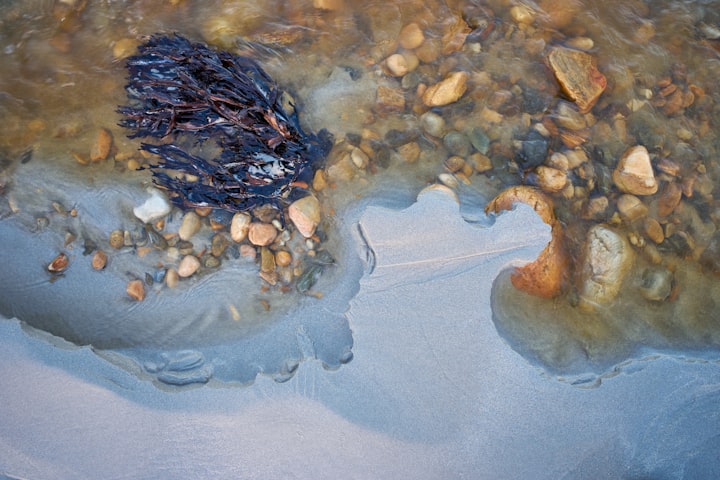
Another important factor that contributes to the diversity of the landscape is erosion. Erosion is the process by which water, wind, and ice wear away at the surface of the Earth. This can create a wide range of landforms, including canyons, valleys, and coastlines. Erosion can also lead to the formation of new landforms, such as sand dunes and deltas.
Climate is another critical factor that contributes to the variation in the landscape. Different parts of the world have different climates, and this can have a significant impact on the types of plants and animals that can live in an area. For example, areas with high rainfall and warm temperatures tend to have lush forests, while areas with low rainfall and high temperatures tend to have deserts.
Human activity is also a critical factor that contributes to the variation in the landscape. Humans have been altering the landscape for thousands of years through activities such as agriculture, mining, and urbanization. These activities can lead to the creation of new landforms, such as terraced fields and artificial lakes, and they can also have a significant impact on the natural environment.
In summary, the landscape of our planet is incredibly varied due to a wide range of physical, chemical, and biological processes. Tectonic activity, erosion, climate, and human activity are all critical factors that contribute to this variation. As we continue to study and explore the Earth's surface, we will undoubtedly discover new insights into the complex processes that have shaped our planet over billions of years.
Erosion By Wind & Water :-
Erosion is the process by which natural agents such as wind, water, and ice remove and transport materials from one location to another on the Earth's surface. Erosion caused by wind and water are two of the most common forms of erosion.
Wind erosion occurs when the force of wind picks up and moves soil and other loose materials. This can happen in areas where there is little or no vegetation to anchor the soil in place. Wind erosion is particularly common in arid and semi-arid regions, such as deserts, where there is little rainfall and the soil is dry and loose.
Water erosion occurs when running water, such as rivers and streams, cuts into and carries away soil and rock. Water erosion can happen over long periods of time or quickly during events such as floods. Water erosion can also cause the formation of landforms such as canyons and valleys.
Both wind and water erosion can have significant impacts on the landscape. In addition to the removal of soil and rock, erosion can also cause the formation of new landforms such as sand dunes, deltas, and river channels. Erosion can also have negative impacts on human activities such as agriculture and infrastructure by reducing soil fertility, causing landslides, and damaging buildings and roads.
To prevent erosion caused by wind and water, various erosion control techniques can be used. For example, planting vegetation can help to anchor soil in place and reduce wind erosion. Terracing and contour plowing can also help to prevent soil erosion by reducing the speed of water flow and increasing soil infiltration.
Influence of Human Being :-
Human beings have had a significant influence on the landscape of the Earth, particularly in recent centuries. The activities of human beings have altered the natural processes that shape the Earth's surface and have resulted in significant changes to the landscape.
One of the most significant impacts that human beings have had on the landscape is through land use changes. Human activities such as agriculture, urbanization, and deforestation have resulted in the conversion of natural landscapes into human-modified landscapes. These changes have resulted in the loss of natural habitats, changes in hydrology, and changes in the natural vegetation cover.
In addition to land use changes, human activities have also caused pollution and degradation of natural resources, such as soil and water. Industrial activities, mining, and other forms of resource extraction have resulted in soil contamination and the loss of soil fertility. Water pollution has also had a significant impact on the environment, affecting aquatic ecosystems and human health.
Climate change is another significant impact of human activities on the landscape. The burning of fossil fuels and other human activities have resulted in an increase in greenhouse gas emissions, leading to global warming and changes in weather patterns. These changes have resulted in the melting of glaciers and ice caps, rising sea levels, and changes in the distribution of plant and animal species.
Despite the negative impacts of human activities on the landscape, there are also positive impacts. Human beings have created parks and protected areas to conserve natural resources and ecosystems. Additionally, sustainable land use practices and conservation efforts have been implemented to preserve the landscape and its biodiversity.
About the Creator
Trump Signs Order to Limit Wall Street Investors in Single-Family Housing
Former U.S. President Donald Trump has signed an executive order aimed at restricting Wall Street investors from buying large numbers of single-family homes. The move comes amid growing concerns over the affordability of housing for middle-class Americans and the increasing role of institutional investors in the residential real estate market.
By Aarif Lashari3 days ago in Earth
France’s Navy Intercepts an Oil Tanker in the Mediterranean Sailing From Russia
France’s navy has intercepted an oil tanker sailing from Russia in the Mediterranean Sea, a move that underscores the growing complexity of enforcing international sanctions amid ongoing geopolitical tensions. The interception, while not unprecedented, highlights how European nations are increasingly using naval assets to monitor, inspect, and sometimes detain vessels suspected of violating sanctions or maritime regulations linked to Russian energy exports.
By Muhammad Hassana day ago in Earth


Comments
There are no comments for this story
Be the first to respond and start the conversation.