
Why Did King Tut Have a Flat Head?
Unraveling the Mystery of Cranial Deformation in Ancient Egypt
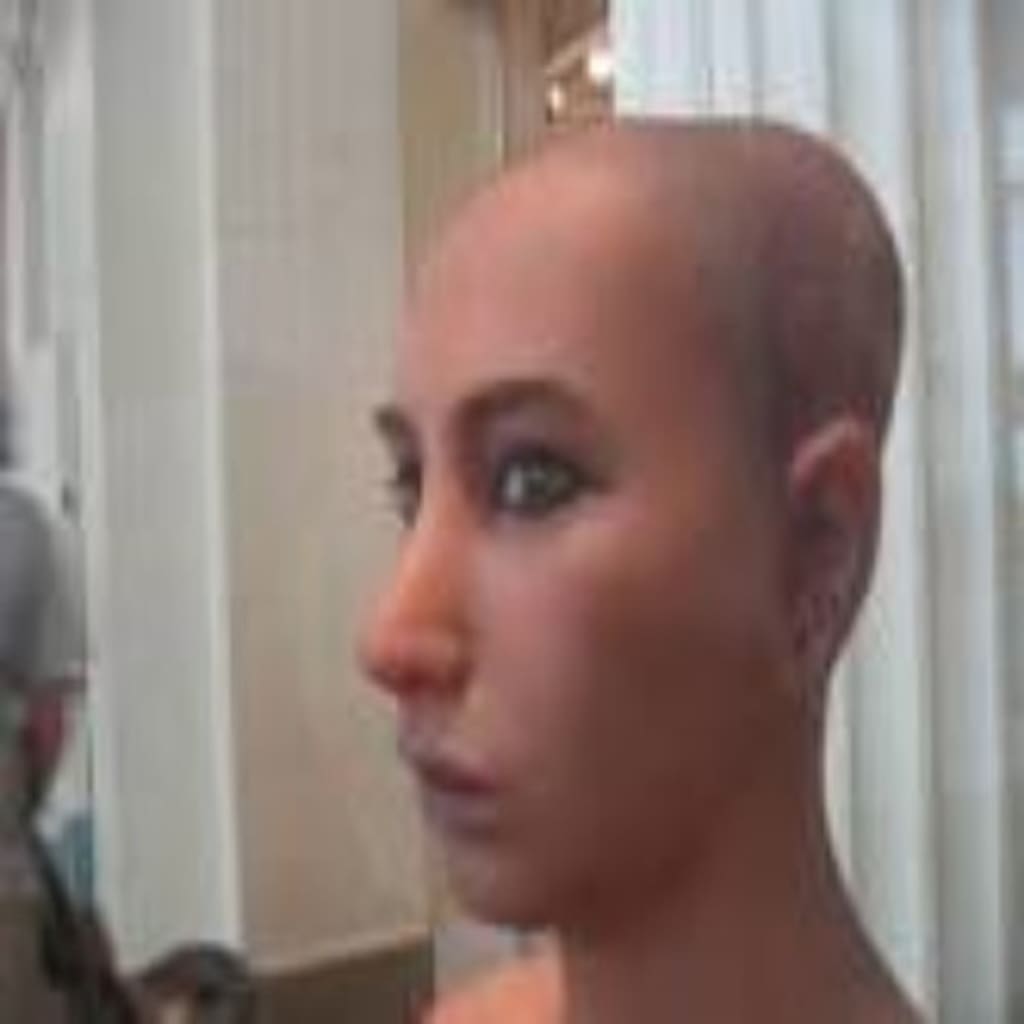
Welcome back to the Human Evolution Lab, where we dive into the intriguing world of ancient Egypt. Today, we embark on a quest to unravel the mystery surrounding King Tut's flat head. Join us as we explore the practice of cranial deformation and its significance in ancient Egyptian culture.
Understanding Cranial Deformation:
Cranial deformation, also known as head binding, was a cultural practice employed in various societies throughout history. It involved deliberately shaping the skull of an individual, often from birth, resulting in distinctive head shapes. In the case of King Tut, his flat head has sparked curiosity and speculation. Let's delve deeper into the reasons behind this intriguing phenomenon.
The Art of Head Binding:
Dr. Robert Martin, curator emeritus of human evolution at the Field Museum, sheds light on the technique of head binding. He explains that during infancy, the human skull is flexible and can be molded into different shapes. By tightly binding the baby's skull, a permanent alteration is achieved. This practice was often associated with the elite in society or specific groups seeking distinctiveness.
King Tut's Unique Head Shape:
Examining the skull of King Tut, evidence of cranial deformation becomes apparent. Dr. Martin, along with colleague JP Brown, conducted CAT scans on Egyptian mummies, including King Tut. Unpacking a reconstruction of King Tut's skull, they discovered a distinct saddle-shaped depression on the top, with a corresponding counterpart at the back. This finding strongly suggests that King Tut underwent intentional cranial deformation.
The Legacy of Akhenaten and Nefertiti:
Interestingly, King Tut's father, Akhenaten, and his mother, Queen Nefertiti, also displayed similar head shapes. Dr. Martin reveals that Akhenaten's skull, as well as the skulls of their six daughters, exhibited signs of cranial deformation. These observations indicate that the practice extended beyond King Tut, potentially as a means to distinguish a specific group within Egyptian society.
The Veiled Secrets:
While the evidence points to deliberate cranial deformation, it is noteworthy that there is limited documentation or explicit references to this practice among Egyptian royals or the upper class. Dr. Martin suggests that secrecy may have been the norm, as divulging such information would undermine the desired effect of distinguishing a select few individuals.
Unraveling the Origins:
The prevalence of cranial deformation across various human populations throughout history raises intriguing questions. Dr. Martin speculates on the potential influence of cradle boarding—a practice where babies are carried on boards—leading to unintentional deformations. This realization may have triggered societies to deliberately shape the heads of infants.
Dispelling Myths:
There have been various theories and speculation about extraterrestrial influence on cranial deformation. Dr. Martin addresses these claims and advises a critical evaluation of evidence before accepting such notions. He emphasizes the importance of examining scientific data and reputable research to draw accurate conclusions.
The mystery surrounding King Tut's flat head takes us on a fascinating journey through the practice of cranial deformation in ancient Egypt. As we explore this ancient cultural phenomenon, we gain insights into the deliberate alteration of head shapes for social or cultural purposes. While the secrets of cranial deformation remain shrouded, we continue to piece together the puzzle of our shared human history.
Disclaimer: This article is based on the research of Dr. Robert Martin and his expertise in the field of human evolution. The views expressed here are solely those of Dr. Martin and not necessarily endorsed by the author or publication.
About the Creator
Keep reading
More stories from writers in Earth and other communities.
America Was Right About Wind Turbines: The “Dark Side” No One Wanted to Discuss, and Drones Begin to Move In
For decades, wind energy has been celebrated as a hero of renewable power—a symbol of a future free from fossil fuels. Towering wind turbines cutting through the sky are iconic images of progress and sustainability.
By Ayesha Lasharia day ago in Earth
China Has Planted So Many Trees Around the Taklamakan Desert That It’s Turned This ‘Biological Void’ Into a Carbon Sink
For generations, the Taklamakan Desert in northwestern China was considered one of the most lifeless places on Earth. Stretching across more than 330,000 square kilometers, this vast sea of sand earned the nickname “biological void” because almost nothing could survive its blistering heat, shifting dunes, and extreme lack of rainfall.
By Sajida Sikandar2 days ago in Earth



Comments
There are no comments for this story
Be the first to respond and start the conversation.