
Why Carbon Trade Is So Popular and How Biochar Functions
Exploring The Internal Relationship
Carbon trading has become a booming global market as governments, corporations, and industries seek solutions to mitigate climate change. The concept revolves around carbon credits, which allow businesses to offset their greenhouse gas (GHG) emissions by investing in projects that reduce or capture carbon. The growing interest in carbon trading is driven by several key factors:
1. Regulatory Pressure and Global Climate Agreements
Governments worldwide are tightening environmental regulations. Agreements like the Paris Accord set emission reduction targets, making carbon trading a practical tool for businesses to comply with carbon caps while maintaining operations.
2. Corporate Sustainability Commitments
Many multinational companies have pledged to reach net-zero emissions, meaning they must balance their carbon footprint by purchasing credits from carbon reduction projects. Carbon-neutral certifications have also become a competitive advantage.
3. Financial Incentives
Carbon trading opens new revenue streams for eco-friendly projects, encouraging investments in renewable energy, reforestation, and carbon sequestration technologies. The price of carbon credits continues to rise, making them a valuable asset.
4. Market Expansion and Innovation
More industries, including agriculture, manufacturing, and transportation, are participating in carbon markets. New technologies like biochar production are gaining traction as verified carbon removal solutions.
The Role of Biochar in Carbon Trading
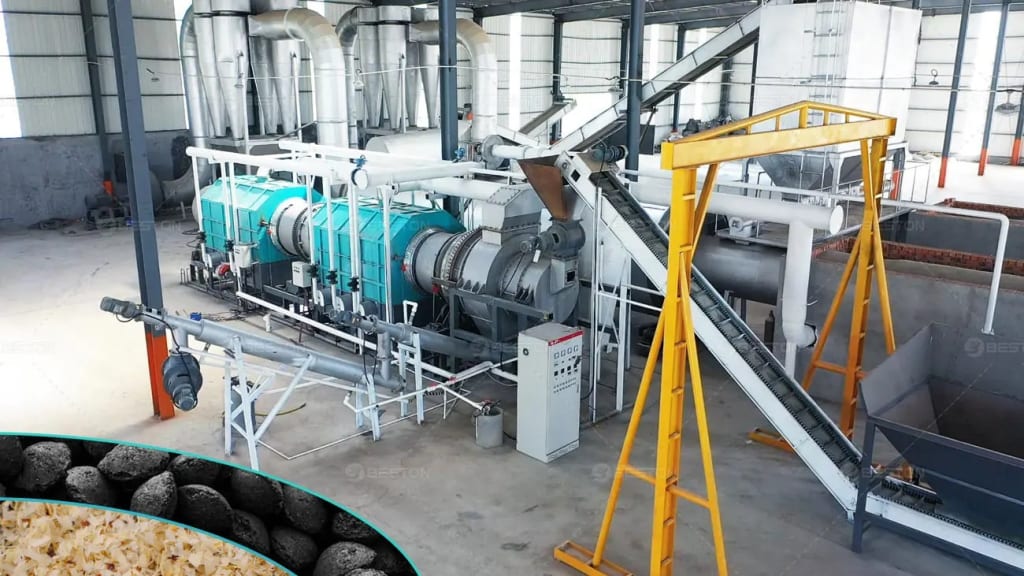
Biochar, a type of carbon-rich charcoal produced through biochar pyrolysis equipment, is a significant player in carbon trading due to its ability to store carbon in a stable form for centuries. Here’s how biochar contributes to carbon markets:
1. Carbon Sequestration and Storage
Biochar locks carbon into the soil, preventing its release into the atmosphere. Unlike organic matter that decomposes and emits CO₂, biochar remains stable, effectively removing carbon from the carbon cycle.
2. Soil Enhancement and Agricultural Benefits
When added to soil, biochar improves water retention, nutrient availability, and microbial activity. This enhances crop yield, making it a win-win solution for both carbon reduction and sustainable agriculture.
3. Generating Verified Carbon Credits
Projects that produce and apply biochar can earn carbon credits, which companies can purchase to offset their emissions. Biochar-based carbon credits are highly valued due to their long-term carbon storage potential.
4. Waste Reduction and Circular Economy
Biochar is often made from agricultural waste, forestry residues, and organic biomass, promoting waste-to-value solutions. This aligns with circular economy principles while supporting carbon-negative practices.
The popularity of carbon trading stems from its ability to balance economic growth with climate responsibility. As companies seek cost-effective carbon offsets, biochar emerges as a powerful tool for long-term carbon sequestration and soil improvement. With growing investments in sustainable solutions, biochar-based carbon credits are set to play a crucial role in the global carbon market.
In conclusion, the popularity of carbon trading stems from its unique ability to marry environmental goals with economic pragmatism. It serves as a linchpin in the global climate change mitigation strategy, not only providing a structured approach to limit emissions but also driving innovation and investment in sustainable practices. By creating a market where carbon has a price, it forces industries to internalize the environmental costs of their operations, thus fostering a shift towards a low - carbon economy.
On the other hand, biochar emerges as a multi - faceted solution in the fight against climate change and for enhancing agricultural sustainability. Its carbon sequestration potential offers a long - term carbon sink, while its soil - improving properties contribute to better agricultural productivity and environmental health. The reduction of other greenhouse gas emissions from soil further cements its role as a valuable tool in the climate change mitigation toolkit.
As we move forward in the face of the climate crisis, the continued development and expansion of carbon trading mechanisms, along with the wider adoption of biochar in agriculture and land management, hold great promise. These strategies, if implemented comprehensively and effectively, can play a crucial role in not only curbing the rise of global temperatures but also in creating a more sustainable and resilient future for generations to come.
About the Creator
The Iran Crisis: A Strategic Breakdown
**Title:** A few months ago, large Chinese cargo planes were reported in Iran, and it was claimed that advanced defense equipment was being transferred to Iran. Now, according to new reports, Chinese technology is being used in Iran, and as a result, Iran has shot down three American aircraft over Kuwait. While these specific incidents remain unverified by independent international sources, they reflect broader concerns about escalating military-technical cooperation between Tehran and Beijing. Notably, in 2021, Iran and China signed a comprehensive 25-year strategic partnership agreement covering economic, energy, and security cooperation—a framework that could plausibly facilitate defense technology transfers.
By Literary fusion2 days ago in Earth




Comments
There are no comments for this story
Be the first to respond and start the conversation.