
Who May Be Interested in Tire Pyrolysis Products?
Who May Be Interested in Tire Pyrolysis Products?
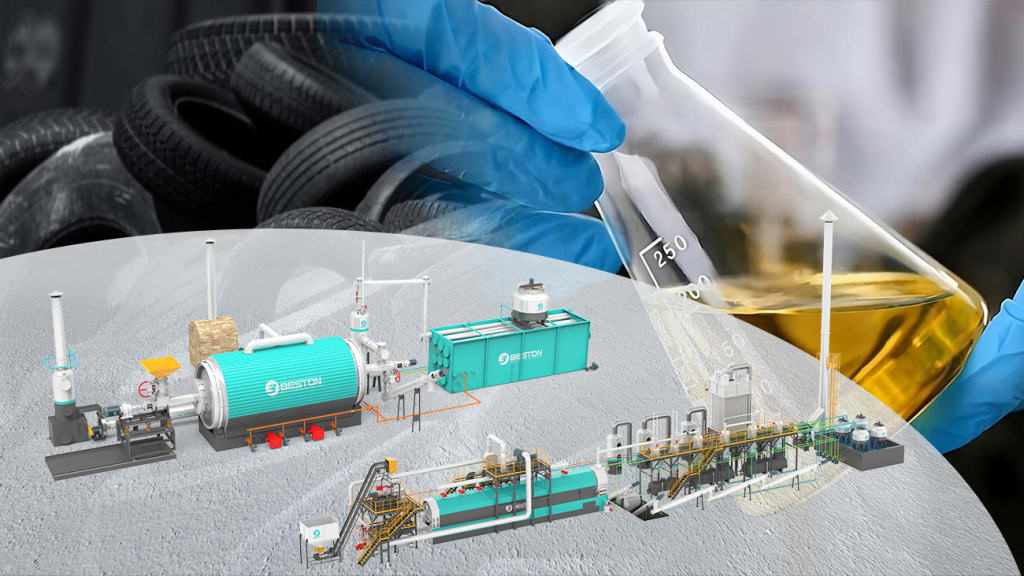
Tire pyrolysis, the process of converting waste tires into valuable products such as oil, carbon black, and gas, is gaining attention across various industries due to its environmental and economic benefits. As more companies, governments, and individuals seek sustainable solutions to the global waste tire problem, the range of potential stakeholders and buyers for tire pyrolysis products continues to grow. This article explores the key groups and industries that may be particularly interested in tire pyrolysis products.
1. Waste Management Companies
Waste management companies are at the forefront of addressing the growing problem of waste tire accumulation. With millions of tires discarded each year, finding an efficient and environmentally friendly way to dispose of them is a top priority. Tire pyrolysis offers a solution by transforming used tires into valuable resources. The oil produced can be used as an alternative fuel, the carbon black can be reused in manufacturing, and the gas can be used for energy production.
Why they’re interested: Waste management companies are interested in tire pyrolysis for its ability to reduce the environmental impact of tire disposal while simultaneously recovering useful products. It also provides an opportunity to create a profitable revenue stream from what would otherwise be waste.
2. Energy Producers
The oil produced from tire pyrolysis, often referred to as pyrolysis oil or tire-derived oil (TDO), is a valuable energy source. It can be used as a substitute for traditional fuels in industrial boilers, cement plants, or power plants. The high energy content of pyrolysis oil makes it a promising alternative to petroleum products.
Why they’re interested: Energy producers looking to diversify their energy sources and reduce dependency on fossil fuels find tire pyrolysis oil appealing. It offers a sustainable and cost-effective solution that helps meet the growing demand for alternative fuels.
3. Carbon Black Manufacturers
Carbon black is a key component used in various industrial applications, including the production of rubber, plastics, and inks. One of the most significant by-products of tire pyrolysis is carbon black, which can be processed and used in these industries. In fact, carbon black from tire pyrolysis is often of a higher quality than virgin carbon black.
Why they’re interested: Carbon black manufacturers are drawn to the high-quality and sustainable carbon black produced by tire pyrolysis. This product offers them an alternative to traditional methods of producing carbon black, which are often resource-intensive and environmentally damaging.
4. Rubber Manufacturers
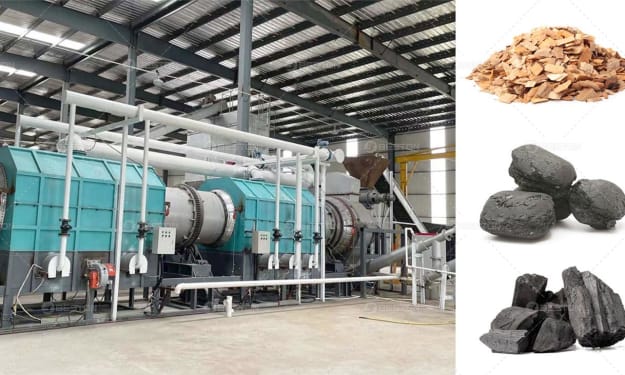
Tire pyrolysis machine also produces a solid residue known as “char,” which is rich in carbon and can be used in the production of new rubber products. The rubber industry, which relies on a steady supply of raw materials, can benefit from using char derived from used tires as a cost-effective filler or reinforcement material.
Why they’re interested: Rubber manufacturers may find the char from tire pyrolysis particularly attractive for its potential to lower production costs and offer an environmentally friendly alternative to traditional rubber ingredients. Additionally, using recycled materials aligns with the growing demand for sustainability in the manufacturing sector.
5. Environmental Agencies and Governments
Government bodies and environmental agencies are increasingly focused on managing waste tire disposal and mitigating the environmental hazards posed by tire landfills. Tire pyrolysis offers a promising solution to these issues by reducing the number of tires in landfills and creating valuable products in the process.
Why they’re interested: Environmental agencies and governments are interested in tire pyrolysis because it supports their waste reduction and resource recovery goals. Pyrolysis can help divert millions of tires from landfills and illegal dumping sites, while also contributing to a circular economy. Additionally, the ability to create products such as fuel and carbon black from waste tires aligns with global sustainability targets.
6. Automobile Manufacturers and Tire Suppliers
Automobile manufacturers and tire suppliers have a vested interest in the tire life cycle, from production to disposal. As sustainability becomes a more prominent focus within the automotive industry, these companies are exploring innovative ways to repurpose tires and reduce the environmental impact of tire waste.
Why they’re interested: Automakers and tire suppliers are increasingly interested in tire pyrolysis for its potential to offer a sustainable solution for tire disposal. Some tire manufacturers even participate in the development of pyrolysis technologies or partner with pyrolysis plant operators to manage end-of-life tires more effectively.
7. Investors and Entrepreneurs
As the tire pyrolysis industry continues to expand, investors and entrepreneurs are discovering new business opportunities in this emerging sector. Tire pyrolysis technology offers substantial returns on investment, especially for those who can take advantage of the growing global demand for sustainable products.
Why they’re interested: Investors and entrepreneurs are attracted to tire pyrolysis for its potential to generate consistent and profitable returns. With its ability to create multiple valuable products from waste tires, it presents a promising business model that is both economically viable and environmentally responsible.
8. Agricultural Sector
The by-products of tire pyrolysis, particularly carbon black, can find applications in the agricultural industry as well. Char from tire pyrolysis has shown potential as a soil conditioner or biochar. Biochar is known for improving soil health, increasing agricultural productivity, and reducing greenhouse gas emissions.
Why they’re interested: The agricultural sector is increasingly interested in sustainable solutions to enhance soil quality and productivity. Biochar derived from tire pyrolysis presents an opportunity to address these challenges while also promoting carbon sequestration.
9. Recycling and Circular Economy Advocates
Tire pyrolysis fits into the broader framework of the circular economy, where products are recycled or repurposed to extend their life cycle. Recycling advocates see tire pyrolysis as an efficient method for turning waste tires into valuable products that can be reused in various industries.
Why they’re interested: Advocates for the circular economy are interested in tire pyrolysis because it promotes sustainability by reducing waste and creating high-value products that can be re-entered into industrial supply chains. This process helps minimize reliance on virgin raw materials and promotes a more sustainable, closed-loop system.
About the Creator
United States Malted Wheat Flour Market Size and Forecast 2025–2033
United States Malted Wheat Flour Market The United States Malted Wheat Flour Market is entering a phase of steady and value-driven growth, supported by evolving consumer preferences, technological advances in milling, and rising demand from bakeries, confectioneries, and craft breweries. According to Renub Research, the market is projected to reach US$ 19.54 billion by 2033, expanding from US$ 12.37 billion in 2024, at a compound annual growth rate (CAGR) of 5.21% from 2025 to 2033.
By jaiklin Fanandish6 days ago in Earth


Comments
There are no comments for this story
Be the first to respond and start the conversation.