
When the Skies Turn Silent: The Rising Heat and Vanishing Rain
An in-depth look at how climate change, deforestation, and human activity are reshaping our weather bringing water shortages, deadly heat, and a crisis we can’t ignore.

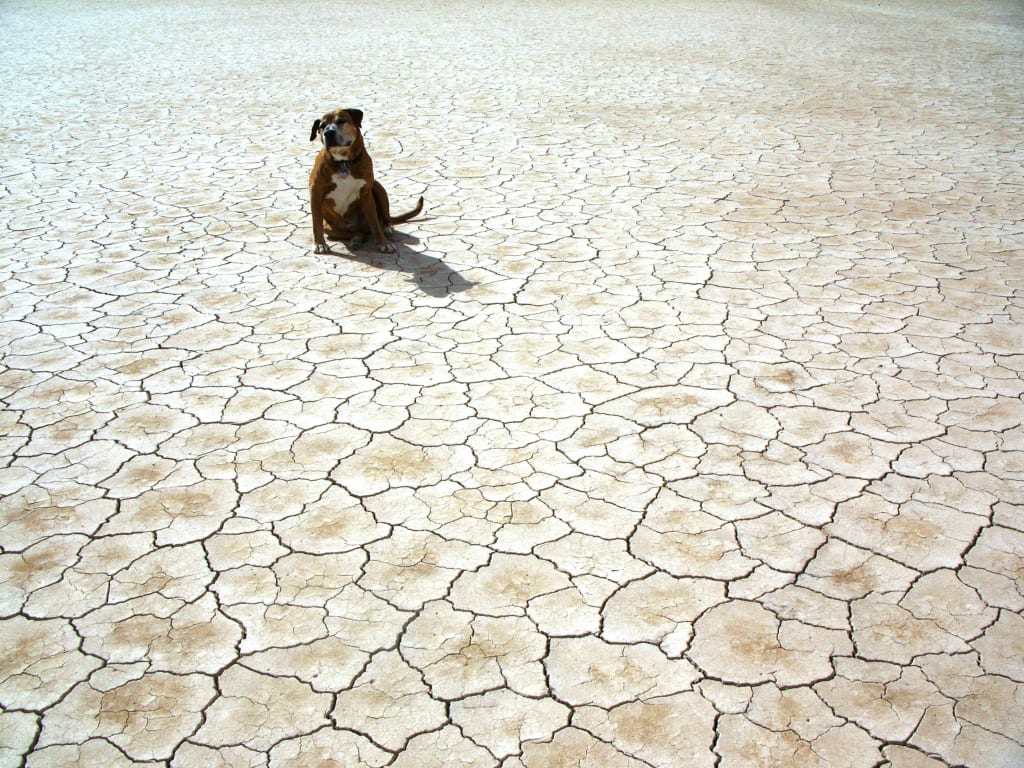
In recent years, the world has witnessed drastic changes in weather patterns, with rainfall becoming increasingly scarce in many regions while global temperatures continue to rise. These changes are not just temporary fluctuations but part of a long-term trend linked to climate change, deforestation, and human activity. The consequences of rain shortage and rising temperatures are severe, affecting agriculture, water supply, ecosystems, and human health. This article explores the causes behind these phenomena, their effects, and why temperatures are increasing year after year.
The Causes of Rain Shortage
Rainfall patterns are shifting due to several interconnected factors:
Climate Change – The burning of fossil fuels releases greenhouse gases (GHGs) like carbon dioxide (CO₂) and methane into the atmosphere. These gases trap heat, altering weather systems and reducing rainfall in some areas while increasing it in others.
Deforestation – Trees play a crucial role in the water cycle by releasing moisture into the air through transpiration. Large-scale deforestation, particularly in the Amazon and other tropical regions, disrupts this cycle, leading to decreased rainfall.
Urbanization – The expansion of cities replaces natural landscapes with concrete, which reduces groundwater absorption and disrupts local rain patterns.
Ocean Currents and El Niño – Changes in ocean temperatures, such as those caused by El Niño, can shift rain patterns, causing droughts in some regions and floods in others.
Effects of Rain Shortage
The decline in rainfall has far-reaching consequences:
Water Scarcity – Many regions, including parts of Africa, the Middle East, and South Asia, are experiencing severe water shortages. Rivers and reservoirs are drying up, leading to conflicts over water resources.
Agricultural Collapse – Farming relies heavily on predictable rainfall. Droughts lead to crop failures, food shortages, and rising prices, pushing millions into hunger.
Wildfires – Dry conditions increase the risk of wildfires, which destroy forests, wildlife habitats, and human settlements.
Economic Losses – Industries dependent on water, such as agriculture, energy (hydropower), and manufacturing, suffer massive losses during prolonged droughts.
Displacement of People – As farmland turns barren, rural communities are forced to migrate, leading to overcrowding in cities and increased poverty.
Why Are Temperatures Rising Every Year?
Global temperatures have been steadily increasing due to several key factors:
Greenhouse Gas Emissions – The primary driver of global warming is the excessive release of CO₂ from burning coal, oil, and gas. Methane from livestock and landfills also contributes significantly.
Loss of Forests – Trees absorb CO₂, but deforestation reduces the planet’s ability to regulate temperatures.
Urban Heat Islands – Cities, with their concrete and asphalt, absorb and retain heat, making them significantly warmer than rural areas.
Melting Ice and Permafrost – As polar ice melts, it reduces the Earth’s ability to reflect sunlight (albedo effect), while thawing permafrost releases trapped methane, further accelerating warming.
Industrial and Vehicular Pollution – Factories and vehicles emit not only CO₂ but also particulate matter that traps heat in the atmosphere.
The Consequences of Rising Temperatures
The steady increase in global temperatures has devastating effects:
Extreme Weather Events – Heatwaves, hurricanes, and storms are becoming more frequent and intense.
Sea Level Rise – Melting glaciers and thermal expansion of seawater threaten coastal cities with flooding.
Health Risks – Higher temperatures lead to heatstroke, dehydration, and the spread of diseases like malaria and dengue.
Ecosystem Collapse – Many species cannot adapt to rapid temperature changes, leading to biodiversity loss.
Reduced Crop Yields – Excessive heat damages crops like wheat and rice, worsening food insecurity.
What Can Be Done?
Addressing rain shortages and rising temperatures requires urgent global action:
Reducing Carbon Emissions – Transitioning to renewable energy (solar, wind, hydro) can drastically cut GHG emissions.
Reforestation and Afforestation – Planting more trees helps restore the water cycle and absorb CO₂.
Sustainable Water Management – Rainwater harvesting, efficient irrigation, and reducing water waste can mitigate shortages.
Climate Policies – Governments must enforce stricter regulations on emissions and promote green technologies.
Public Awareness – Educating communities about conservation and sustainable practices is crucial.
Conclusion
Rain shortage and rising temperatures are not isolated problems but symptoms of a larger climate crisis. If left unchecked, these trends will lead to catastrophic consequences for humanity and the planet. While the situation is dire, collective action—through policy changes, technological innovation, and individual responsibility—can still mitigate the worst effects. The time to act is now, before the damage becomes irreversible.
About the Creator
Moiz Khan
Horror writer & BA student. I write true stories based on real experiences with demons, ghosts, black magic & the occult. Every tale I post reveals a dark truth from the shadows. Enter... if you dare.
The Growing Need for Air Purification and Air Purifiers Today
Introduction Air is the most basic necessity for life, yet it is often the most overlooked factor when discussing health, productivity, and quality of living. While people pay close attention to the food they eat and the water they drink, the air they breathe — especially indoors — rarely receives the same level of scrutiny. In today’s world, however, this mindset is rapidly changing. Rising pollution levels, climate change, urbanisation, industrial growth, and the lingering effects of global health crises have brought air quality to the forefront of public awareness.
By Hafsa Usmani6 days ago in Earth
mRNA Helped End the Pandemic. Now It Shows Promise Against Skin Cancer
When the first COVID-19 vaccines rolled out in 2020, mRNA technology became a household name. It trains the body’s cells to recognize a virus, rather than introducing the virus itself — a breakthrough that helped curb one of the deadliest pandemics in history. Now, researchers are discovering that mRNA could be even more transformative in fighting cancer, particularly melanoma, a highly aggressive form of skin cancer.
By Aarif Lashari7 days ago in Earth


Comments
There are no comments for this story
Be the first to respond and start the conversation.