
When Skies Turn Yellow: Are You at Risk?
Unveiling the Mysterious Phenomenon: Exploring the Risks of Yellow Skies
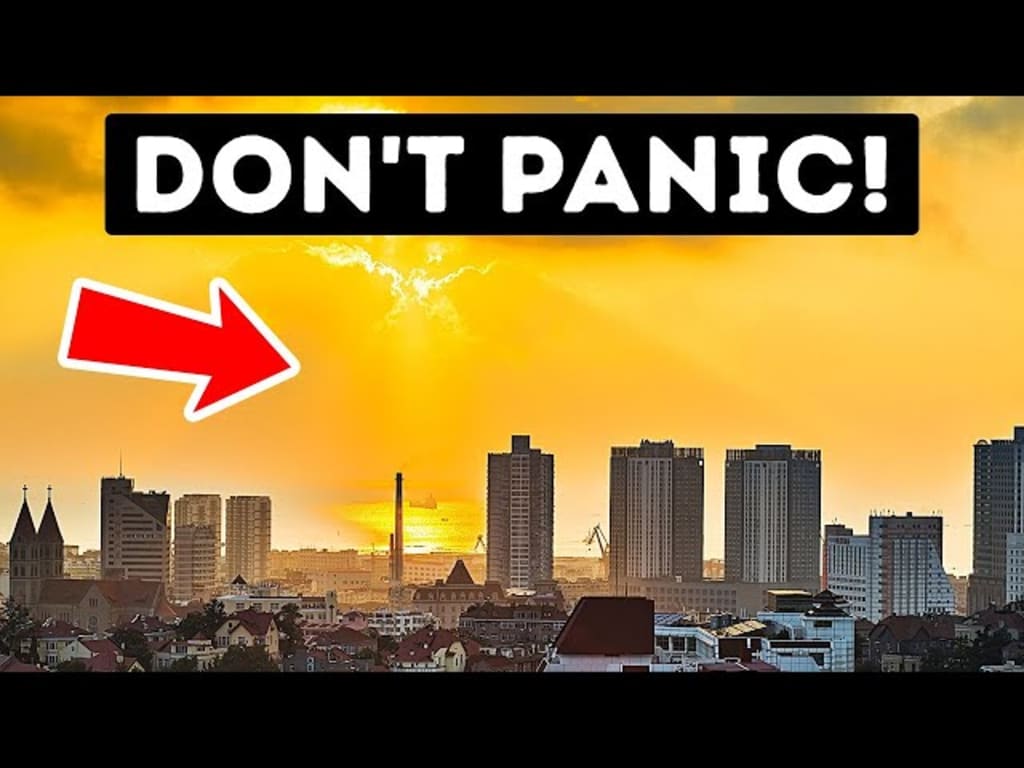
Imagine looking up at the sky and seeing it bathed in an unusual yellow hue. It's a sight that would undoubtedly grab your attention and make you wonder what is happening. While it may seem like a scene from a science fiction movie, there are instances when skies do turn yellow, and it can be a cause for concern. Let's explore this phenomenon and understand if you could be at risk.
The discoloration of the sky can occur due to various factors, with weather conditions and environmental factors being the primary culprits. One of the most common reasons for yellow skies is the presence of air pollutants, such as smoke or smog. When there are high levels of pollutants in the atmosphere, they can scatter sunlight in a way that gives the sky a yellowish tint. This often happens in urban areas with significant air pollution.
Another possible cause of yellow skies is dust and sand particles in the air. During dust storms or sandstorms, large amounts of particles are lifted into the atmosphere, which can alter the color of the sky. These storms are more prevalent in arid regions or areas prone to desertification. The suspended particles can scatter sunlight and create a yellowish appearance in the sky.
Yellow skies can also be associated with natural disasters, such as wildfires. When a massive fire breaks out, the smoke generated can spread over large areas, causing the sky to turn yellow or even orange. This phenomenon is often seen in areas affected by forest fires or other significant fire incidents. The presence of smoke particles in the air can lead to the scattering of sunlight and the yellowing of the sky.
While yellow skies are generally caused by environmental factors, it's essential to consider the potential health risks associated with these occurrences. When air pollution levels are high, the air quality deteriorates, leading to respiratory issues and other health problems. The pollutants present in the air can irritate the respiratory system, particularly in individuals with pre-existing respiratory conditions such as asthma or chronic obstructive pulmonary disease (COPD). Prolonged exposure to polluted air can also increase the risk of cardiovascular diseases.
Similarly, during dust storms or sandstorms, the suspended particles in the air can be harmful if inhaled. Fine dust particles can penetrate deep into the lungs, causing respiratory distress and triggering allergies or asthma attacks. People with respiratory conditions, the elderly, and young children are more vulnerable to the adverse effects of dust storms.
During wildfire events, the smoke-filled air can have severe health implications. The smoke contains harmful chemicals and fine particulate matter that can cause respiratory irritation, eye irritation, and even long-term lung damage. Those with respiratory conditions, as well as individuals with cardiovascular diseases, should take extra precautions during such events to avoid exposure to the smoke.
If you find yourself in an area where the skies have turned yellow, it's important to prioritize your safety and take necessary precautions. Limit your time outdoors, especially if you have respiratory issues. Close windows and doors to minimize the entry of outdoor air pollutants. Use air purifiers or filtration systems to improve indoor air quality. If advised by local authorities, evacuate the area until the situation improves.
In conclusion, when the skies turn yellow, it's a visual reminder of the impact of environmental factors on our surroundings. While the sight itself may be captivating, it's crucial to be aware of the potential health risks associated with these occurrences. Take necessary measures to protect yourself and your loved ones from exposure to polluted air during such events. Remember, your health should always be a priority, even when the skies seem otherworldly.
About the Creator
Keep reading
More stories from Ntivuguruzwa Philemon and writers in Earth and other communities.
This Island Is Visible Every 7 Years But Still Cannot Be Reached
There may be an island off the coast of ireland that constantly seem on maps, however which no person has ever been capable of attain. Some agree with it is only a figment of creativeness, while others swear they've seen it with their very own eyes. In keeping with historical statistics, the island has diverse names and has been spotted on maps courting lower back to the 1400s. Two explorers claimed to have discovered the island on separate voyages in 2016, but their descriptions of the island have been nearly equal. The island is said to be a really perfect circle with a channel through its middle. Captain John Nesbitt and his team reached the island in 1674 at the same time as exploring waters near ireland. They spent an entire day there and taken lower back silver and gold as gifts from an vintage man who they claimed lived there.
By Ntivuguruzwa Philemon3 years ago in Earth



Comments
There are no comments for this story
Be the first to respond and start the conversation.