
Weather Warnings Issued as Storm Chandra Approaches
Authorities brace for heavy rain, strong winds, and potential flooding as Storm Chandra moves closer


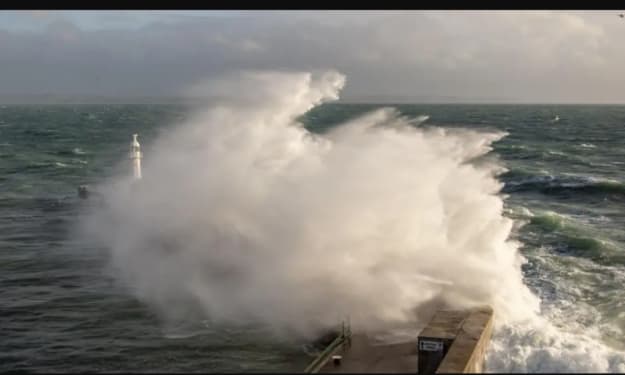
Meteorologists and disaster management authorities have issued severe weather warnings as Storm Chandra strengthens and moves toward several vulnerable regions. Residents are being urged to prepare for intense rainfall, strong gusty winds, and potential flooding, while local governments work to mitigate risks and implement emergency measures.
Storm Chandra, currently classified as a severe weather system, is expected to impact both urban and rural areas over the next 24 to 48 hours. Its formation has been linked to a combination of atmospheric instability and warm ocean currents, making it a particularly fast-moving and unpredictable storm. Authorities emphasize that early preparation is crucial to minimize the impact on human life and property.
Forecast and Path of Storm Chandra
According to the latest meteorological updates, Storm Chandra is likely to move across coastal and inland areas, affecting major population centers and agricultural regions alike. The storm is accompanied by:
Wind speeds reaching up to 70–90 km/h in exposed areas.
Heavy rainfall, with localized flooding anticipated in low-lying regions.
Storm surges along the coast, potentially inundating waterfront neighborhoods.
Experts have highlighted that the storm’s trajectory may shift due to changing wind patterns, making it essential for residents to monitor official updates from weather agencies continuously. Forecasters predict that the peak intensity will occur within the next 12 to 18 hours, with the risk gradually reducing afterward.
Regions Most at Risk
Storm Chandra is expected to have the most severe impact on the following areas:
Coastal towns and cities: Low-lying communities along the coast are highly vulnerable to storm surges and flooding. Residents in these areas are urged to evacuate if authorities issue directives.
Flood-prone inland areas: River valleys and regions with inadequate drainage systems may experience rapid water accumulation.
Urban areas with poor drainage infrastructure: Heavy rainfall in cities may lead to waterlogging and temporary road closures.
Previously affected regions: Areas that have recently experienced heavy rain or flooding remain at higher risk.
Authorities are closely monitoring these zones and preparing emergency response teams to assist residents in need.
Government Measures and Preparedness
In response to the storm, local and national authorities have activated disaster management protocols to reduce risk and ensure public safety. Key measures include:
Evacuation plans: Vulnerable neighborhoods are being mapped, with temporary shelters prepared to house displaced residents.
Deployment of rescue teams: Firefighters, paramedics, and disaster relief personnel are on standby to respond to emergencies.
Closure of public institutions: Schools, colleges, and non-essential government offices are temporarily closed in high-risk areas.
Public advisories: Citizens are receiving alerts through television, radio, and mobile notifications to stay indoors and avoid travel during the storm’s peak.
Authorities emphasize that community cooperation is vital. Residents are urged to follow official instructions promptly, particularly when evacuation orders are issued, to prevent casualties.
Safety Tips for Residents
To minimize risk during Storm Chandra, experts recommend the following measures:
Stay updated: Continuously monitor official weather updates and warnings through government and meteorological channels.
Avoid travel: Roads may be flooded or blocked by fallen trees, debris, or damaged infrastructure. Non-essential travel should be postponed.
Secure property: Ensure that windows, doors, and loose outdoor objects are secured. Roofs and drainage systems should be checked where possible.
Prepare emergency kits: Stock essential items such as food, water, medicines, flashlights, and batteries to last several days.
Evacuate if instructed: Do not delay if local authorities advise leaving at-risk areas. Follow designated evacuation routes and safety guidelines.
These precautions can significantly reduce risk and help protect lives during severe weather events.
Potential Impacts of Storm Chandra
While the exact extent of damage remains uncertain, experts warn that Storm Chandra could result in:
Localized flooding in low-lying areas and riverbanks.
Property damage due to strong winds and water intrusion.
Disruption of daily life: School closures, halted public transport, and power outages are likely in affected zones.
Damage to agriculture: Crops and livestock may be affected by heavy rain and flooding.
Infrastructure risks: Roads, bridges, and public utilities may sustain damage, requiring rapid repair and recovery efforts.
Emergency management agencies are coordinating with local authorities to ensure rapid response, minimize damage, and provide relief to affected communities.
Broader Implications
Storm Chandra highlights the vulnerability of regions to extreme weather events, emphasizing the need for long-term disaster preparedness and resilient infrastructure. Climate change and unpredictable weather patterns are contributing to more intense storms worldwide, making early warning systems and proactive planning essential.
The storm also underscores the importance of community awareness and cooperation. Local residents, government authorities, and emergency services must work together to respond effectively to natural disasters, reducing both human and economic losses.
Conclusion: Vigilance and Preparedness Are Essential
As Storm Chandra approaches, meteorologists and government officials urge residents to stay alert, remain indoors, and follow all safety advisories. While the storm poses significant challenges, timely preparation, adherence to emergency protocols, and community cooperation can mitigate its impact.
Storm Chandra serves as a reminder of the power of nature and the critical importance of early warning systems and public readiness. By taking precautions seriously, residents can protect lives, property, and livelihoods while navigating one of the season’s most dangerous weather events.
About the Creator
Asad Ali
I'm Asad Ali, a passionate blogger with 3 years of experience creating engaging and informative content across various niches. I specialize in crafting SEO-friendly articles that drive traffic and deliver value to readers.
All Holidays Cancelled as UK Holiday Firm Goes Bust
Holiday Firm Collapse Sparks Chaos A major UK holiday company has gone bust, resulting in the cancellation of all booked holidays. The collapse has left thousands of travellers without trips, refunds, or alternative arrangements, sparking frustration and concern among affected customers.
By Aarif Lashariabout 5 hours ago in Earth
Baby Dies After Midwives Failed to Carry Out Proper Checks
Tragedy in the Nursery A heartbreaking incident has emerged after a baby died due to a failure in routine medical checks by midwives. The case has shocked both the local community and healthcare professionals, prompting questions about standards of care, accountability, and oversight in maternity services.
By Aarif Lashariabout 11 hours ago in Earth
📢 Raise Your Voice Thread: 01/22/2026
Our “Raise Your Voice Threads” are hosted most alternating Thursdays at 12PM ET to offer creators more avenues to uncover exceptional stories on Vocal. As we are continuously searching for fresh creators and inspiring stories, this thread provides an opportunity to exchange and discuss the stories that have moved and motivated us on Vocal.
By Raise Your Voice by Vocal5 days ago in Resources



Comments
There are no comments for this story
Be the first to respond and start the conversation.