
When Concrete Devours Green: The Silent War Between Cities and Nature
How Urban Expansion Is Consuming Forests, Farmlands, and Biodiversity—And What We Can Do to Reclaim Balance
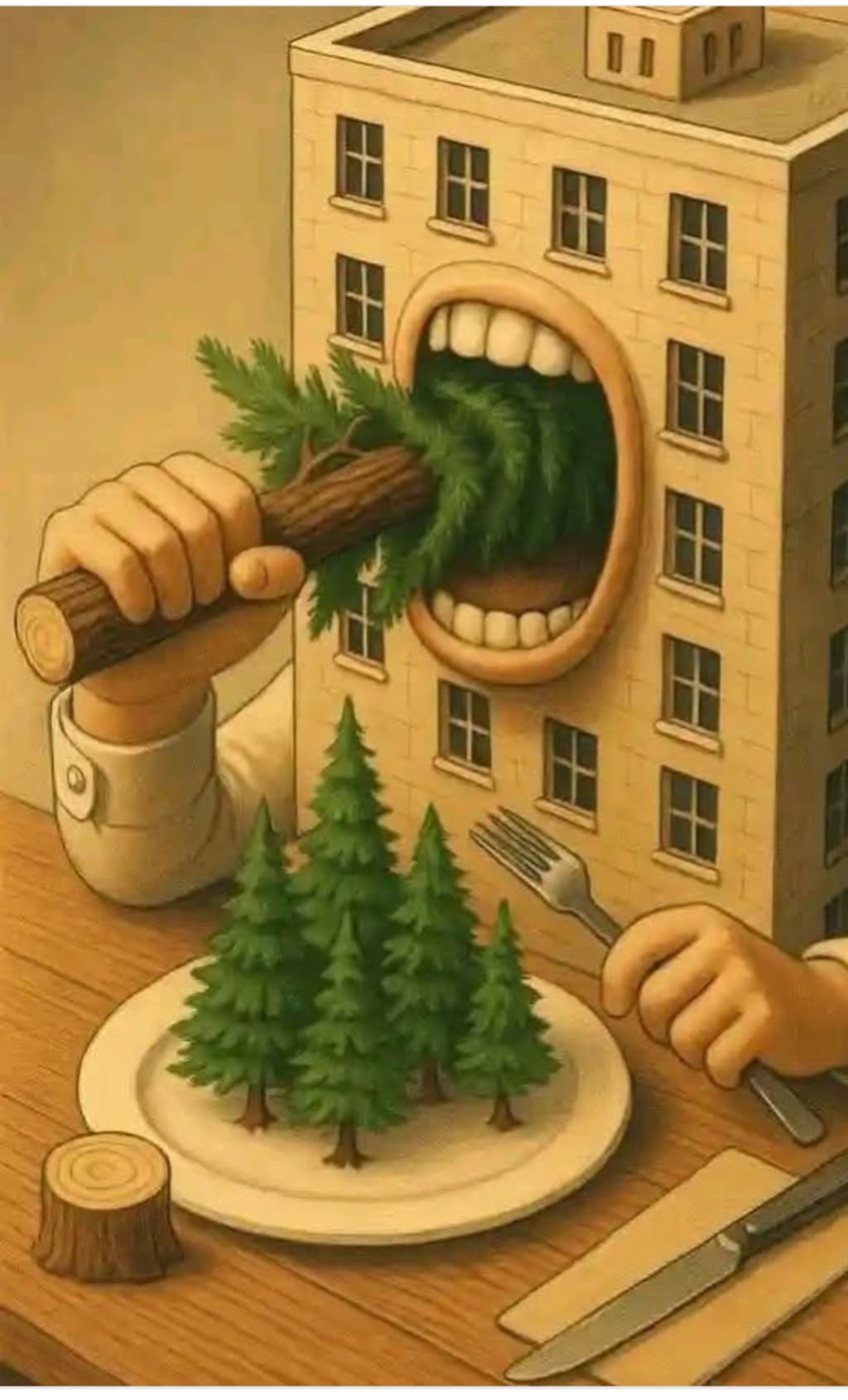
Cities are the face of human progress—dynamic hubs of innovation, cultural diversity, and economic opportunity. Yet beneath this veneer lie grave environmental consequences. As urban areas sprawl, they devour forests, farmlands, wetlands, and species-rich habitats. This encroachment doesn’t just erase greenery; it cripples ecosystems, disrupts climate regulation, undermines food security, and diminishes quality of life. But amid this grim reality lies hope: by shifting how we design, govern, and live in cities, we can reclaim balance between urban development and nature’s needs.
---
1. The Scale of Urban Expansion
1.1 A Rapid and Global Phenomenon
Urban expansion isn’t confined to wealthy nations. In the last few decades, developing countries—especially in Asia and Africa—have witnessed explosive growth. Between 1990 and 2030, the global urban land area is projected to triple from 440,000 to over 1.2 million square kilometers, according to UN‑Habitat. Cities like Shenzhen, Lagos, and Jakarta have sprawled at breathtaking speeds, often without coordinated planning. Wealthier urban corridors—from the U.S. Sun Belt to Europe’s major megaregions—have similarly extended into once-rural fringes.
1.2 The Hidden Cost: Nature Displaced
This land expansion isn’t shapeless: industrial suburbanization, commercial plazas, transport infrastructure, waste disposal sites—all consume previous natural and agricultural land. Forests shrink, water tables drop, farmlands vanish behind concrete and asphalt, and animal habitats are fractured into disconnected patches. With each kilometer of new pavement, the resilience of nature erodes.
---
2. Forests at the Interface
2.1 Urban–Forest Frontiers
Forests don’t vanish quietly. They can be logged outright, but more often fragmented—a suburban road bisects woodlands, cutting them into smaller, isolated parcels. These “edge effects” radically alter temperature, humidity, and exposure to predation and wind, often making inner fragments inhospitable to forest-dwelling species.
2.2 Wildlife, Ecosystems, and the Toll
The consequences are stark: species that can’t adapt to open, edge‑type environments disappear. Populations dwindle. Birds, mammals, reptiles face local extinction. Pollination networks fray. Forest soils, deprived of their insulating canopy, undergo faster evaporation. Carbon storage declines, compounding greenhouse gas issues.
---
3. Farmlands Lost and Food Security Threatened
3.1 Fertile Soils Disappearing
Developing mega-cities often sprawl outward, absorbing rich agricultural zones that once fed them. Beijing and Mumbai, for example, have seen their peri‑urban farmlands repurposed—ditches paved over, fields replaced by housing estates—sometimes under opaque land transfers that leave farmers landless.
3.2 From Food-Producer to Food-Consumer
Ironically, as cities expand, they alienate agrarian communities from their land. Peri‑urban agriculture—smallholder farms nestled near cities—is especially vulnerable. These farms are vital: they supply fresh produce, reduce food miles and emissions, and preserve rural livelihoods. But once sold for development, they often cannot be reclaimed.
---
4. Wetlands, Water Cycles, and the Flood Paradox
4.1 Loss of Natural Water Buffers
Wetlands, marshes, riverbanks—they’re not wastelands; they’re nature’s water-management systems. But urban expansion often sees them filled to make way for roads, buildings, or industrial zones. Cities like Jakarta and Houston have substituted natural retention with often inadequate—and expensive—infrastructure.
4.2 Floods, Heatwaves, and Urban Stress
Without absorbent soils and marshlands, heavy rains turn into urban floods. Absent evapotranspiration and open water surfaces, temperatures soar—leading to severe heat islands. The compound effects of flood risk and heat stress disproportionately harm lower-income communities.
---
5. Biodiversity in Retreat
5.1 Fragmentation, Invasion, and the Loss of Wonder
Habitats don’t just shrink—they become islands. They lose native species. They attract invasive plants like Japanese knotweed and animals like house sparrows and pigeons. Biodiversity becomes shallow—a few hardy species in manicured parks replace rich endemic life across full forests.
5.2 More Than “Green Views”
Loss of biodiversity is more than an aesthetics issue. Many urban green species undertake vital ecosystem services—pollination, soil conditioning, stormwater management, even mental-health uplift. Nature’s benefits in cities are measurable, and their loss is measurable too.
---
6. The Domino Effects: Climate, Health, Inequality
6.1 Climate Amplified Locally and Globally
Concrete and asphalt retain heat—day after day—fueling urban heat islands. Local temperatures spike during heat waves. Energy demands swell. Wildlife suffers. Cities become hotter and harder to live in. Meanwhile, carbon sinks—from forests and wetlands—are diminished, worsening global warming.
6.2 Unequal Impacts
Urban expansion rarely respects equity. Low-income and marginalized communities often end up in flood-prone zones or dense heat islands with little greenery. These same communities suffer disproportionately during environmental crises: floods, heatwaves, respiratory stress from pollution.
---
7. Solutions: Restoring Balance
7.1 Smart Planning and Compact Cities
The best antidote to sprawl: build up, not out. Encourage density through vertical housing and mixed-use developments. Redevelop brownfield sites. Invest in efficient public transit to reduce car dependence. Tax incentives can push developers toward infill projects rather than greenfield expansion.
7.2 Urban Growth Boundaries & Greenbelts
Legal boundaries that restrict outward expansion are powerful tools. London’s Metropolitan Green Belt, Portland’s Urban Growth Boundary, and Seoul’s Green Corridor are examples where intentional zoning curbs unchecked urbanization and preserves farmlands, forests, and ecosystems around cities.
7.3 Biodiverse Urban Green Infrastructure
Urban parks aren’t enough. We need biodiversity-rich green roofs, wildlife corridors, pollinator gardens, permeable pavement, rewilded commons, urban forests. These solutions bring ecological restoration to where people live, boosting resilience, biodiversity, and well-being.
7.4 Peri‑Urban Agroforestry & Food Zones
Integrating agriculture and forestry just outside city edges—buffer zones of orchards, community farms, tree‑crop hedges—can help cities feed themselves while preserving ecosystem functions. Cities from Milan to Havana employ agroforestry to great effect.
7.5 Wetlands, River Restoration & Daylighting
Supporting waterways by removing concrete channels, reconstructing wetlands and riparian zones, even “daylighting” culverted rivers, helps reintroduce natural drainage, biodiversity, cooling, and flood mitigation—all while creating beautiful public spaces.
---
8. Governance, Finance, and Community Action
8.1 Integrated Urban–Rural Policies
Fragmented planning permits sprawl. We need integrated policies that treat urban and peri‑urban areas as interdependent—coordinated planning across city authorities, counties, and rural districts. Metropolitan-level governance must align transportation, zoning, housing, agriculture, ecosystem protection, and water management.
8.2 Financial Tools for Green Protection
Land trusts, conservation easements, pay-for-ecosystems‑services, green infrastructure bonds—financial innovation can fund long-term protection of green and agricultural lands. Developers who benefit from proximity to green spaces can invest in their conservation.
8.3 Community Stewards as Guardians
Local involvement is crucial for maintaining nature-rich systems. Gardens, wetlands, rewilded commons all rely on volunteers and local ownership. Assigning stewardship—whether through schoolyard gardens, neighborhood land trusts, or civic green teams—anchors ecological efforts in sustained care.
---
9. Global Trends & Local Triumphs
9.1 Lessons from Around the World
Singapore: Though densely built, Singapore deliberately includes extensive greenery—parks, vertical gardens, and reforestation of watersheds—embedding “City in a Garden” in its urban ethos.
Curitiba, Brazil: This mid-century city pioneered land-use planning anchored in transport corridors and protected parks, preserving farmland and forest patches around its perimeter.
Medellín, Colombia: Known for environmental justice, Medellín introduced urban trees and green corridors in vulnerable neighborhoods, improving microclimates and equity simultaneously.
9.2 Rising Threats
Yet many modern mega-cities—Nairobi, Kinshasa, Jakarta—grow faster than planning systems can manage. Loss of wetlands continues in Jakarta; Mexico City continues to expand onto former farmland; wildfires edging into Los Angeles suburbs compound risk. Without corrective action, global urban land could cover nearly twice the size of India by 2050.
---
10. What You Can Do
Be an informed voter: Support policies that protect mixed‑use development, greenbelt boundaries, and peri‑urban agriculture.
Change where you live: Living near transit hubs and established urban areas reduces the demand for new suburban sprawl.
Bring green home: Even balcony gardens, native plantings, and bird-friendly landscaping contribute locally.
Grow community: Join local stewardship groups planting trees, relandscaping parks, or restoring creeks.
Support innovative finance: Push local councils to adopt green bonds, ecosystem service payments, or land-trust collaboratives.
---
Conclusion
Concrete may seem indestructible—but in truth, it’s brittle. Over time, cities that consume all surrounding nature will fracture under their own ecological stress: heatwaves, flood damage, degraded health and well-being, food insecurity, and social inequity. Rebalancing means reclaiming—strategically, beautifully, responsibly. It means weaving ecosystems into our urban lives, not leveling them in the name of “progress.”
This is not a fight for the wilderness separated from us, but a fight for where we live—in cities that are resilient, livable, fair, and in harmony with the living Earth. The tools exist: compact growth, green infrastructure, peri‑urban farming, governance reform, and grassroots stewardship. The challenge lies not in invention, but in implementation. Let’s reclaim balance—so that future cities are portraits of both human ingenuity and flourishing nature.
About the Creator
Hasbanullah
I write to awaken hearts, honor untold stories, and give voice to silence. From truth to fiction, every word I share is a step toward deeper connection. Welcome to my world of meaningful storytelling.
Keep reading
More stories from Hasbanullah and writers in Earth and other communities.
Malted Wheat Flour Market Size and Forecast 2025
Malted Wheat Flour Market Overview Malted wheat flour is produced by germinating wheat grains, drying them, and grinding them into flour. This natural malting process activates enzymes—particularly amylase—that convert starch into fermentable sugars during baking. The result is improved dough fermentation, enhanced texture, increased loaf volume, and a richer, more consistent flavor profile in baked goods.
By Aaina Oberoiabout 19 hours ago in Earth
Neutraceutical Packaging Market Size and Forecast 2025–2033
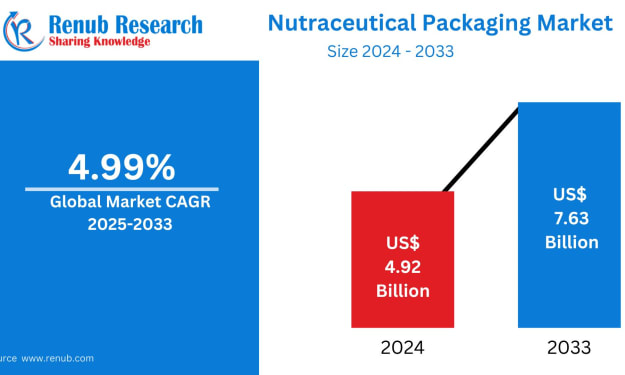
Neutraceutical Packaging Market at a Glance The Neutraceutical Packaging Market is projected to expand from US$ 4.92 billion in 2024 to US$ 7.63 billion by 2033, growing at a CAGR of 4.99% from 2025 to 2033. This steady growth reflects the accelerating global demand for dietary supplements, functional foods, herbal products, and wellness beverages. Rising health awareness, aging populations, sustainability expectations, the rapid growth of e-commerce, and evolving regulatory frameworks are reshaping how nutraceutical products are packaged, protected, and presented.
By jaiklin Fanandisha day ago in Earth


Comments (1)
Space stories master thanks for support