
What to Expect When Installing Insulation in UK - Expert Guide
Installing insulation is one of the best investments you can make for your home in 2025. Not only will it save you money and reduce your carbon footprint, but it also prepares your property for stricter energy efficiency standards.


With energy costs continuing to rise and 2025 fast approaching, upgrading your home's energy efficiency is more important than ever. Installing insulation is a practical, cost-effective way to make your home more comfortable, reduce energy bills, and help the environment.
If you're considering this upgrade, you might be wondering what the process involves and how to access free insulation grants.
This guide will walk you through what to expect during the insulation installation process and introduce you to MarigoldEco, a trusted provider that offers free insulation services through government-funded grants.
Why Insulation Matters in 2025
The UK Government’s goal to achieve net-zero carbon emissions by 2050 has driven an emphasis on energy-efficient homes. By 2025, new energy efficiency standards are expected to be stricter, making insulation a top priority for homeowners and landlords alike.
Upgrading your insulation not only ensures compliance with these standards but also delivers immediate benefits like:
- Lower energy bills.
- Reduced carbon footprint.
- Enhanced indoor comfort.
Step-by-Step Guide to Installing Insulation
1. Assess Your Home’s Insulation Needs
Before installing insulation, a thorough assessment of your property is essential. This involves identifying areas where heat is being lost, such as:
- The loft or attic.
- Walls (cavity or solid).
- Floors.
- Windows and doors (for draught-proofing).
Personal Tip: When I had my home assessed, the experts found gaps I didn’t even know existed! It’s worth letting professionals like MarigoldEco do a detailed survey to maximize your savings.
2. Check Your Eligibility for Free Insulation Grants
Thanks to government initiatives like the Energy Company Obligation (ECO) scheme, many households can get insulation installed at no cost. MarigoldEco specializes in helping eligible homeowners and tenants access these grants.
You might qualify if:
- You receive specific benefits (e.g., Universal Credit, Pension Credit).
- Your property has a low Energy Performance Certificate (EPC) rating.
- You are a low-income household.
3. Choose the Right Type of Insulation
The best insulation depends on your home’s needs. Here are the most common types:
4. Prepare Your Home for Installation
Once you’ve selected the type of insulation, it’s time to prepare your home. This may involve:
- Clearing lofts or attics of stored items.
- Allowing access to walls for cavity or solid wall insulation.
- Moving furniture for easier access to floors.
5. Installation Day: What to Expect
Here’s a quick overview of the installation process:
Arrival and Setup: The installers arrive with all necessary materials and equipment.
Safety Measures: They take care to protect your property during the process.
Installation: Insulation is installed in the targeted areas. For example:
Loft insulation is laid between and over joists.
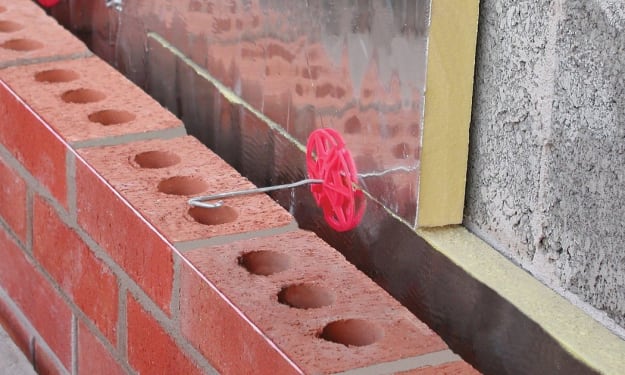
Cavity wall insulation is injected through small, drilled holes in the wall.
Solid wall insulation involves fixing insulating boards internally or externally.
Cleanup: Once the installation is complete, the team cleans up, leaving your home tidy.
Personal Experience: When I had my loft insulated, the entire process took just a few hours. The installers from MarigoldEco were professional and left no mess behind, making it a stress-free experience.
6. Post-Installation Inspection and Benefits
After the insulation is installed, a final inspection ensures everything has been done correctly. You’ll notice benefits almost immediately, including:
A warmer home during winter.
Lower heating bills.
A quieter indoor environment due to soundproofing properties.
FAQs About Insulation Installation
1. How long does insulation installation take?
Most installations are completed in a day or two, depending on the property size and insulation type.
2. Is the grant really free?
Yes, if you qualify under government schemes like ECO. MarigoldEco ensures there are no hidden costs.
3. What happens if I don’t insulate my home by 2025?
You could face higher energy bills and struggle to meet new efficiency standards. Insulating now saves money and hassle in the long run.
4. Can landlords apply for free insulation grants?
Yes, landlords can apply for grants to upgrade their properties, benefiting tenants and meeting regulations.
5. Will insulation make my home feel stuffy?
No. Proper insulation improves airflow and reduces drafts without making your home feel stuffy.
6. How can I contact MarigoldEco?
Visit their website or give them a call for a free consultation and eligibility check.
About the Creator
Josh Harper
A photographer and a blogger.
Keep reading
More stories from Josh Harper and writers in Earth and other communities.
150mm Cavity Wall Insulation - Everything You Need To Know
Cavity wall insulation is one of the most effective ways to improve a home's energy efficiency and reduce heating costs. With the UK government offering grants to encourage homeowners to insulate their homes, now is the perfect time to explore your options.
By Josh Harper11 months ago in Lifehack



Comments
There are no comments for this story
Be the first to respond and start the conversation.