
150mm Cavity Wall Insulation - Everything You Need To Know
Cavity wall insulation is one of the most effective ways to improve a home's energy efficiency and reduce heating costs. With the UK government offering grants to encourage homeowners to insulate their homes, now is the perfect time to explore your options.


Cavity wall insulation is one of the most effective ways to improve a home's energy efficiency and reduce heating costs. With the UK government offering grants to encourage homeowners to insulate their homes, now is the perfect time to explore your options.
This guide will cover everything about 150mm cavity wall insulation, including its benefits, the best materials, and how to access cavity wall insulation grants in the UK.
Understanding Cavity Wall Insulation
What is Cavity Wall Insulation?
Cavity wall insulation involves filling the gap (cavity) between two layers of brickwork with insulating material. This helps prevent heat loss, making homes warmer in winter and cooler in summer.
Benefits of Cavity Wall Insulation
Energy Efficiency – Reduces heat loss and improves indoor comfort.
Lower Heating Bills – Less energy is needed to heat the home, saving money.
Environmental Benefits – Reduces carbon footprint by cutting down on energy consumption.
Noise Reduction – Provides additional sound insulation.
Increases Property Value – Improves EPC (Energy Performance Certificate) rating.
Why Choose 150mm Cavity Wall Insulation?
1. Improved Thermal Performance
A 150mm insulation thickness provides better heat retention compared to thinner alternatives, making it ideal for energy-conscious homeowners.
2. Meets UK Building Regulations
Newer homes must meet stringent energy efficiency standards, and 150mm cavity wall insulation helps comply with these requirements.
3. Long-Term Cost Savings
Although thicker insulation costs more initially, the long-term energy savings make it a worthwhile investment.
Best 150mm Cavity Wall Insulation Materials
1. Glass Mineral Wool
• Cost-effective and widely used.
• Provides great thermal and sound insulation.
2. PIR (Polyisocyanurate) Boards
• High-performance rigid insulation boards.
• Offers better thermal resistance with a thinner profile.
3. Stone Wool
• Fire-resistant and highly durable.
• Suitable for homes in high-risk fire areas.
How to Install 150mm Cavity Wall Insulation
Pre-Installation Assessment – A professional survey determines if your walls are suitable.
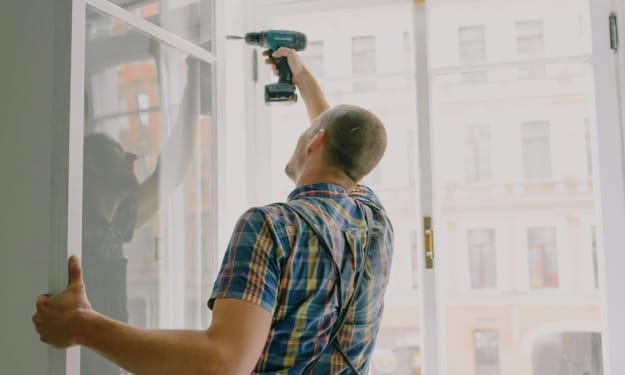
Drill Small Holes – Holes are drilled in the outer brick wall.
Inject Insulation Material – Insulation is blown into the cavity using special equipment.
Seal Holes – The drilled holes are filled to match the existing brickwork.
Installation Time: Typically takes a few hours to a day, depending on property size.
UK Cavity Wall Insulation Grants: How to Get Free Insulation
What Grants Are Available?
The UK government offers cavity wall insulation grants to help homeowners cover the cost of cavity wall insulation.
Great British Insulation Scheme
• Aims to improve home insulation across the UK.
• Available to low-income households and properties with poor insulation.
• Covers up to 100% of installation costs.
Energy Company Obligation (ECO4) Scheme
• Requires energy suppliers to help improve home energy efficiency.
• Available to low-income and vulnerable households.
• Covers cavity wall insulation and other energy-saving measures.
Eligibility Criteria
To qualify for a cavity wall insulation grant, you must meet at least one of the following conditions:
Receive certain benefits (e.g., Universal Credit, Pension Credit).
Live in a home with poor insulation or a low EPC rating.
Own or privately rent your home (landlord permission required).
How to Apply for Cavity Wall Insulation Grant
Check eligibility Here.
Schedule a free home assessment.
If eligible, insulation is installed at little to no cost.
Common Myths About Cavity Wall Insulation
“Cavity wall insulation causes damp” – Properly installed insulation prevents damp, not causes it.
“It’s only for new homes” – Older homes can also benefit from cavity wall insulation.
“It’s too expensive” – With grants, many homeowners can get it for free.
Maintaining Your Cavity Wall Insulation
Check for damp or damage every few years.
Ensure ventilation is adequate to prevent moisture build-up.
Consult a professional if you notice insulation deterioration.
Environmental Impact of Cavity Wall Insulation
Reduces energy use, cutting CO₂ emissions.
Improves energy efficiency, reducing reliance on fossil fuels.
Sustainable insulation materials, like glass wool, can be recycled.
Frequently Asked Questions (FAQs)
What is the lifespan of cavity wall insulation?
Most insulation materials last 40-50 years, making them a long-term investment.
Can all homes have cavity wall insulation installed?
No, only homes with suitable cavity walls can have insulation installed.
How do I know if my walls are suitable?
A professional assessment can determine this. Homes built after 1920 typically have cavity walls.
Are there any risks associated with cavity wall insulation?
When installed correctly, risks are minimal. However, poor installation can lead to moisture problems.
How long does the installation process take?
Most installations take between 2-5 hours, depending on property size.
Can I install cavity wall insulation myself?
No, it must be done by a certified professional to qualify for grants and meet building regulations.
About the Creator
Josh Harper
A photographer and a blogger.
Keep reading
More stories from Josh Harper and writers in Lifehack and other communities.
What to Expect When Installing Insulation in UK - Expert Guide
With energy costs continuing to rise and 2025 fast approaching, upgrading your home's energy efficiency is more important than ever. Installing insulation is a practical, cost-effective way to make your home more comfortable, reduce energy bills, and help the environment.
By Josh Harperabout a year ago in Earth
Contentment
Dear children, you must have heard the famous name of Caliph Harun al-Rashid. He was a ruler who often disguised himself to observe the conditions of his people firsthand. On one such occasion, he was walking along the bank of a river when he noticed a man fishing quietly, having cast his net into the water.
By Sudais Zakwan6 days ago in Lifehack
Understanding Local Moves in Jupiter, Florida
Moving within Jupiter, Florida, may appear straightforward at first glance. The town’s relaxed atmosphere and manageable size often give residents the impression that a local move will be quick and uncomplicated. However, many people discover that relocating within Jupiter requires careful planning, attention to local details, and realistic expectations.
By House Doctor3 days ago in Lifehack



Comments
There are no comments for this story
Be the first to respond and start the conversation.