
What is the Cause of an Earthquake?
One of nature's most potent and unpredictable phenomena is earthquakes. They can quickly shake entire cities and leave behind long-lasting effects. But how exactly do they start?
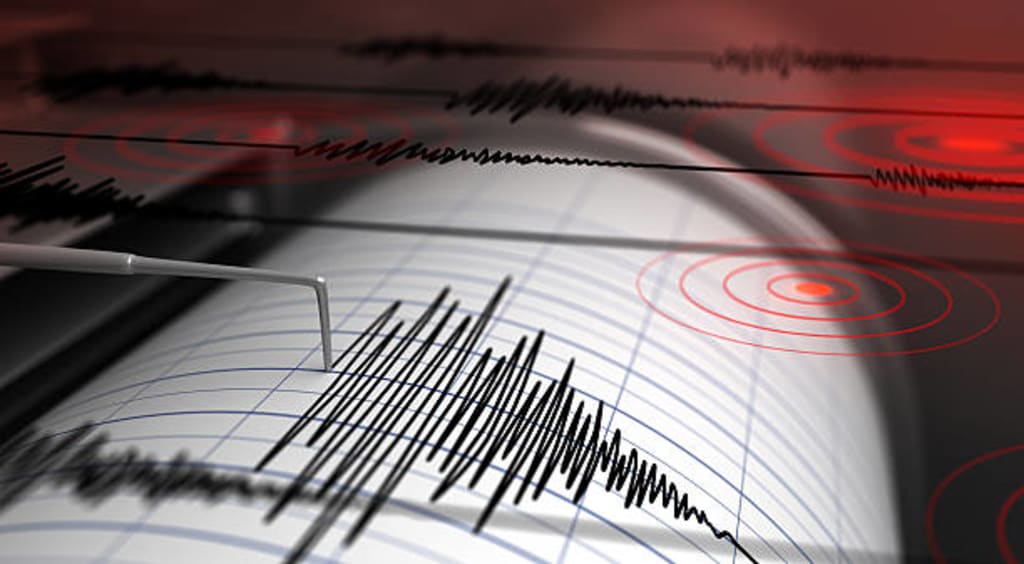
The Earth's Moving Plates:
Plates Moving Around the Earth The lithosphere, the Earth's outermost layer, is broken up into numerous, substantial pieces known as tectonic plates. These plates move all the time and slowly move across the surface of the Earth. Most of the time, we don't notice this movement. However, at the edges where these plates meet, a lot of pressure can build up. Lines of Pressure and Fault When two tectonic plates grind against each other, they can become locked together due to friction. Over time, as the plates continue to try to move, stress builds up in the rocks at the plate boundaries. The pressure eventually becomes too much, and the rocks suddenly break or slip along a fault line, which is a crack in the Earth's crust. The Release of Energy
This sudden movement releases a large amount of energy in the form of seismic waves, which travel through the Earth and cause the ground to shake. This is what we feel during an earthquake. The exact point underground where the rocks break is called the focus, while the point directly above it on the surface is called the epicenter.
Aftershocks and Further Movement:
It's possible that the ground will continue to change after the first earthquake. These adjustments can cause smaller quakes known as aftershocks, which may continue for days or even weeks. In major earthquakes, aftershocks can be strong enough to cause additional damage.
Conclusion:
In short, an earthquake starts when stress built up from moving tectonic plates is suddenly released along a fault line. This energy travels through the Earth as seismic waves, shaking the ground and often causing significant effects on the surface. Scientists study these events closely to better predict and prepare for them, helping to reduce their impact on people and communities.
Is it bad for country economic?
Yes, strong earthquakes that strike densely populated or poorly prepared areas can be extremely damaging to a nation's economy. Here’s how they can cause economic damage:
Infrastructure destruction Roads, bridges, airports, power lines, water systems, and communication networks can all be destroyed by earthquakes. Rebuilding all of that takes a lot of time and money, and in the meantime, it slows down business and trade.
Damage to Homes and Businesses:
Particularly if they were not constructed to withstand shaking, thousands of buildings run the risk of collapsing or becoming unsafe. Families, local businesses, factories, and offices all suffer as a result, resulting in significant financial losses. 3. Loss of Life and Workforce
If an earthquake causes many injuries or deaths, it can reduce the workforce and disrupt industries that rely on skilled labor. Depending on the scale, recovery can take several months or years. 4. Tourism and Investment Drop
In countries that rely on tourism, earthquakes can scare visitors away. Also, foreign investors may hesitate to put money into a place that seems risky, especially if safety regulations or emergency response systems are weak.
Relief and Recovery Costs:
Governments often have to spend billions on emergency response, temporary housing, food, healthcare, and rebuilding. This can increase national debt or shift money away from other important projects like education and healthcare. Slowdown in the economy over time Major earthquakes can push a country into recession. Long-term economic weakness can result from business closures, job losses, and people moving to safer areas. But it varies... Wealthier nations tend to recover more quickly and sustain less damage thanks to robust emergency procedures and building codes. Due to a lack of resources for recovery and a weaker infrastructure, developing nations frequently experience more severe economic effects.
Let's examine a real-world illustration of the economic harm that earthquakes can cause:
Case Study: The 2010 Haiti Earthquake
12th of January, 2010 Magnitude: 7.0
Location: Near Port-au-Prince, the capital of Haiti
Impact on Haiti’s Economy
Massive Destruction:
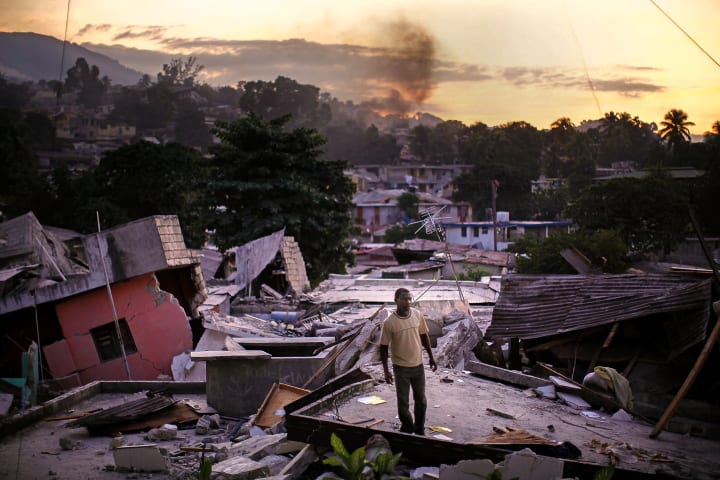
1.5 million people were left homeless and over 300,000 were killed. Around 60% of government buildings were destroyed.
Homes, hospitals, roads, and schools all collapsed into rubble. Economic Losses
The damage was estimated to cost between $7.8 and $8.5 billion. At the time, this was about 120% of Haiti’s GDP (meaning the earthquake cost more than the country’s entire yearly economy).
Increased Poverty:
Haiti was already the poorest country in the Western Hemisphere, and the earthquake made the situation even worse. Many businesses shut down permanently, and unemployment skyrocketed.
Dependence on Foreign Aid:
Haiti had to rely heavily on international aid for recovery. Billions of dollars were donated, but progress was slow. Corruption and weak government systems made it harder to use aid effectively.
About the Creator
Keep reading
More stories from writers in Earth and other communities.
Low Honey Harvest Expected as North Island Beekeepers Grapple With Storm Effects
Beekeepers across New Zealand’s North Island are bracing for one of the weakest honey harvests in years as the lingering impacts of severe storms continue to disrupt flowering cycles, damage hives, and strain an industry already under pressure from rising costs and environmental challenges. Unseasonal rainfall, strong winds, and repeated flooding events over recent months have left many apiarists facing reduced nectar flows and delayed hive recovery. Regions that normally provide abundant manuka and clover blooms have seen flowering patterns thrown off balance, cutting into the peak production period that beekeepers rely on for much of their annual income. “This season has been incredibly difficult,” said one commercial beekeeper operating in Hawke’s Bay. “We lost access to several sites because roads were washed out, and even where hives survived, the bees haven’t had consistent weather to forage properly.” Storm Damage and Disrupted Bloom Cycles The North Island experienced a series of intense storms that damaged farmland, forests, and coastal areas. For beekeepers, the consequences go beyond physical destruction of equipment. Flooding saturated soils and uprooted vegetation, while prolonged cloud cover reduced sunlight necessary for plants to produce nectar. Botanists and agricultural scientists say flowering plants are highly sensitive to weather patterns. When storms arrive during crucial blooming windows, nectar production can drop sharply. “Bees need stable conditions to collect nectar,” explained an environmental researcher at a New Zealand agricultural institute. “If rain washes pollen away or temperatures stay too low, flowers simply don’t provide enough resources.” In areas such as Northland and Waikato, beekeepers report hive productivity down by as much as 30 to 40 percent compared with average seasons. Some smaller operators fear they may not harvest enough honey to cover operational expenses. Economic Pressure on the Industry The beekeeping sector has already been grappling with challenges including fluctuating manuka honey prices, increased biosecurity requirements, and rising fuel and transport costs. A low harvest year adds further strain to businesses that rely heavily on exports. Manuka honey remains one of New Zealand’s most valuable agricultural exports, with international demand particularly strong in Asian and European markets. However, reduced supply could push prices higher, potentially benefiting some producers while limiting access for smaller exporters. “For large companies, there may be ways to absorb the losses,” said an industry representative. “But for family-run operations, this could be a make-or-break season.” Some beekeepers are considering scaling back hive numbers or shifting locations next year to avoid areas more vulnerable to extreme weather. Others are exploring diversification into pollination services for crops such as kiwifruit and apples to offset lost honey revenue. Impact on Bee Health Beyond production losses, bee health has also suffered. Wet conditions increase the risk of fungal diseases inside hives, while weakened colonies are more susceptible to pests such as varroa mites. Veterinary experts warn that stressed bees may struggle to survive winter if they enter the colder months with insufficient food reserves. Beekeepers are now spending more on supplemental feeding using sugar syrup and protein patties to keep colonies alive. “We’re not just losing honey,” one apiarist said. “We’re spending more to keep the bees healthy, and that cuts into any profit we might make.” Climate Change and Long-Term Risks Scientists link the increasing frequency and intensity of storms to broader climate change trends. Warmer oceans and shifting weather patterns are making extreme rainfall events more common in New Zealand, raising concerns about the long-term stability of industries dependent on predictable seasons. Agricultural economists argue that beekeeping is particularly vulnerable because it depends on both plant health and insect behavior, two systems sensitive to environmental stress. “This season may be a warning sign,” said a climate policy analyst. “If storms continue at this pace, the industry will need stronger adaptation strategies, such as moving hives more frequently or planting storm-resistant forage crops.” Government agencies are monitoring the situation closely. Some regional councils are assessing whether emergency assistance or recovery grants may be needed for affected farmers and beekeepers. Community and Environmental Role Beekeepers play a critical role in pollination, supporting food production far beyond honey. Crops such as berries, avocados, and squash rely heavily on bees, and reduced hive numbers could affect yields next year. Local farming communities have already reported lower pollination activity in some storm-hit districts, raising concerns about knock-on effects for the wider agricultural economy. Environmental groups stress that protecting bee populations is essential not only for economic reasons but for biodiversity. Native plants depend on healthy pollinator networks to regenerate after disasters. “Bees are part of the recovery process,” said a conservation spokesperson. “When storms damage ecosystems, pollinators help bring them back to life.” Looking Ahead Despite the grim outlook, many beekeepers remain cautiously hopeful. Weather forecasts suggest more stable conditions in the coming months, which could allow late-season flowering to provide some relief. However, expectations remain low compared with previous years. Industry leaders are urging collaboration between scientists, policymakers, and producers to build resilience against future storms. Ideas include expanding research into climate-resistant plants, improving hive design, and developing early-warning systems for extreme weather.
By Fiaz Ahmed 8 days ago in Earth
If You Write A Book, Don’t Tell Anyone
There are days when I’m grateful Amazon doesn’t tell me specifically who has bought my book and who hasn’t. If they did, I would be heartbroken when I read the list and noticed all the important names in my life were not on my list of customers.
By Ellen Frances5 days ago in Writers



Comments
There are no comments for this story
Be the first to respond and start the conversation.