
Germany Discovers Massive 43 Million-Ton Lithium Reserve Beneath Abandoned Gas Field
A Game-Changing Find That Could Reshape Europe’s Energy Future and the Global Battery Market
Introduction: A Hidden Treasure Beneath the Ground
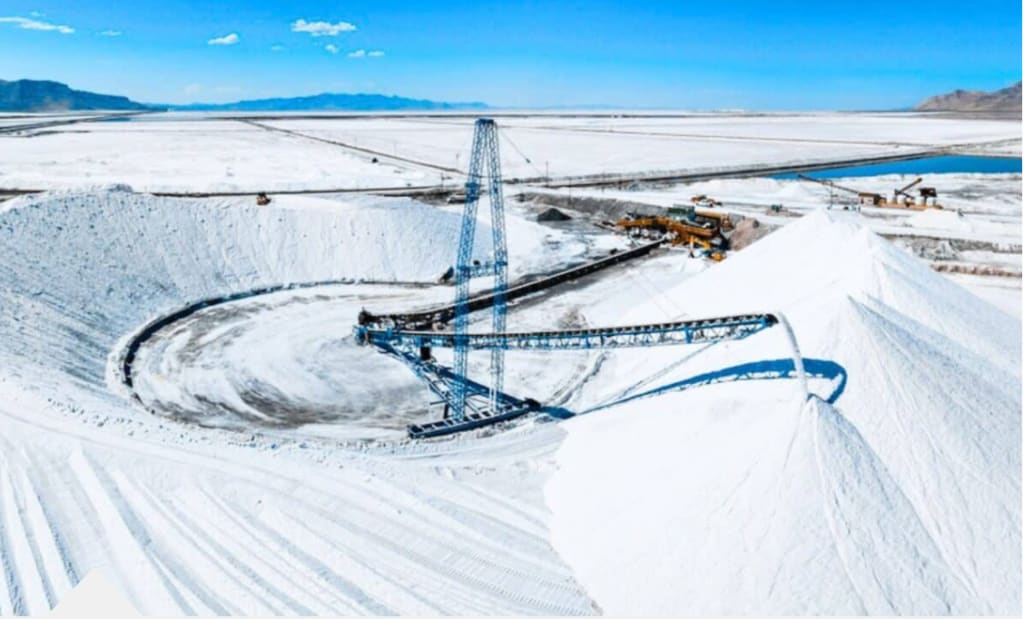
In a discovery that could transform Europe’s energy future, Germany has uncovered an enormous lithium reserve estimated at 43 million tons beneath an abandoned gas field. This find is being described as one of the world’s largest known lithium resources, and it comes at a critical moment as nations race to secure materials needed for the green energy transition.
Lithium is a key ingredient in batteries used for electric vehicles (EVs), smartphones, laptops, and renewable energy storage systems. With global demand for lithium skyrocketing, Germany’s discovery could significantly reduce Europe’s dependence on foreign suppliers and reshape the global battery industry.
Why Lithium Is So Important
Lithium is often called “white gold” because of its strategic importance in modern technology. It is a lightweight metal that stores energy efficiently, making it ideal for lithium-ion batteries.
Key Uses of Lithium
Electric vehicles (EVs)
Smartphones and laptops
Renewable energy storage systems
Power tools and electronics
Grid-scale battery systems
As the world shifts toward renewable energy and electric mobility, demand for lithium is expected to increase dramatically over the next few decades.
The Discovery: Beneath an Old Gas Field
The massive lithium reserve was discovered beneath an abandoned gas field in Germany, highlighting how former fossil fuel sites can become part of the clean energy future.
Geologists and researchers identified lithium-rich brine deep underground. Unlike traditional lithium mining, which often involves open-pit mines or evaporation ponds, this lithium can potentially be extracted from underground brine using modern technologies.
This method is considered more environmentally friendly and could help Germany achieve its climate goals while reducing environmental damage associated with mining.
How Big Is 43 Million Tons?
To understand the scale of this discovery, consider this:
A typical electric car battery contains around 8–10 kilograms of lithium.
43 million tons of lithium could theoretically supply batteries for billions of electric vehicles.
This reserve could support Europe’s energy transition for decades.
While not all of the lithium may be economically recoverable, the sheer size of the resource makes it one of the most significant discoveries in recent years.
Europe’s Dependence on Foreign Lithium
Currently, Europe relies heavily on lithium imports from countries like:
Chile
Argentina
Australia
China
China also dominates lithium processing and battery manufacturing, giving it significant control over the global supply chain.
Germany’s discovery could change this balance by:
Strengthening Europe’s energy independence
Reducing reliance on foreign suppliers
Supporting local battery manufacturing
This aligns with the European Union’s strategy to build a domestic battery industry and reduce geopolitical risks.
Economic Opportunities for Germany and Europe
The lithium discovery could bring massive economic benefits:
1. Boosting the Battery Industry
Germany is already home to major automakers like Volkswagen, BMW, and Mercedes-Benz. Local lithium supply could accelerate EV production and reduce battery costs.
2. Job Creation
Extracting and processing lithium will require skilled workers, engineers, and technicians, creating thousands of jobs.
3. Attracting Investment
Global investors and companies may invest in Germany’s battery and renewable energy sectors, strengthening the economy.
4. Supporting Energy Storage
Lithium is crucial for storing renewable energy from wind and solar power, helping stabilize electricity grids.
Environmental and Social Concerns
While the discovery is promising, it also raises important environmental questions.
1. Environmental Impact of Extraction
Even advanced extraction methods can affect groundwater and ecosystems. Strict regulations will be needed to minimize environmental damage.
2. Community Concerns
Local communities may worry about industrial activity, land use, and environmental risks. Public consultation and transparency will be essential.
3. Sustainability Challenges
Lithium extraction must be sustainable to avoid repeating the environmental problems associated with fossil fuels and traditional mining.
A Symbol of the Energy Transition
The fact that this lithium was found beneath an abandoned gas field is symbolic. It represents the transition from fossil fuels to clean energy.
Former gas fields, oil fields, and industrial sites could become hubs for renewable energy, battery storage, and sustainable resource extraction. Germany’s discovery shows how old energy infrastructure can play a role in the future green economy.
Global Implications for the Lithium Market
Germany’s lithium reserve could impact the global lithium market in several ways:
1. Lower Lithium Prices
Increased supply could stabilize or reduce lithium prices, making electric vehicles more affordable.
2. Increased Competition
Traditional lithium-producing countries may face competition from Europe, reshaping global trade dynamics.
3. Geopolitical Shifts
Lithium is becoming a strategic resource, similar to oil and gas. Countries with lithium reserves will have greater influence in global politics and energy markets.
Challenges Ahead
Despite the excitement, several challenges remain:
1. Technical Feasibility
Extracting lithium from deep underground brine requires advanced technology and high investment costs.
2. Economic Viability
Not all reserves are economically recoverable. Market prices and extraction costs will determine profitability.
3. Regulatory and Political Issues
Environmental regulations, public opinion, and political decisions will influence how and when extraction begins.
What This Means for the Future of Electric Vehicles
Electric vehicles are central to global climate goals. However, their growth depends on access to battery materials like lithium.
Germany’s discovery could:
Accelerate EV adoption in Europe
Reduce battery costs
Support domestic EV manufacturing
Strengthen Europe’s position in the global EV market
This could make electric cars more affordable and accessible for consumers.
The Bigger Picture: Climate and Sustainability
The lithium discovery is part of a broader global shift toward renewable energy and sustainability. As countries aim to reduce carbon emissions, batteries and energy storage systems are becoming essential.
However, sustainable extraction and responsible resource management will be crucial to ensure that the green transition does not create new environmental problems.
Conclusion: A Discovery That Could Power the Future
Germany’s discovery of a massive 43 million-ton lithium reserve beneath an abandoned gas field could be a turning point for Europe and the world. It highlights the strategic importance of lithium in the energy transition and the potential for former fossil fuel sites to support clean energy development.
If developed responsibly, this resource could help Europe achieve energy independence, accelerate electric vehicle adoption, and support renewable energy storage for decades to come. But with great opportunity comes great responsibility—ensuring sustainable extraction, protecting the environment, and benefiting local communities will be key.
As the world races toward a low-carbon future, Germany’s hidden lithium treasure may become one of the most important discoveries of the 21st century.
About the Creator
AFG vs WI, Between Overs and Silence
The first ball hadn’t been bowled yet, and already my chest felt tight. AFG vs WI flickered on the screen, bright jerseys against a washed-out sky. The stadium buzzed softly, like it didn’t want to scare away whatever fragile promise hovered above the pitch. I leaned forward without realizing it. I always do when something still matters.
By Story Prism2 days ago in Earth
The Invisible Grid Build-out
by Futoshi Tachino Why this is under-the-radar progress Everyone talks about how slow it is to build new transmission lines. Less noticed is how much capacity is being freed — right now — on the wires we already have. Three families of “grid-enhancing technologies” (GETs) are scaling fast: (1) advanced reconductoring with modern high-performance conductors that can double capacity within existing rights-of-way; (2) dynamic and ambient-adjusted line ratings (DLR/AAR) that raise safe operating limits based on real weather, not worst-case assumptions; and (3) power-flow control, topology optimization, and other software tools that route power away from bottlenecks to under-used lines. Together, these are connecting more renewables, cutting curtailment and congestion, and buying precious time while big new lines are planned and built [1–3,13–14].
By Futoshi Tachino6 days ago in Earth



Comments
There are no comments for this story
Be the first to respond and start the conversation.