
What is La Niña Effect: Understanding Its Causes, Impact, and Global Significance
Let's Find It

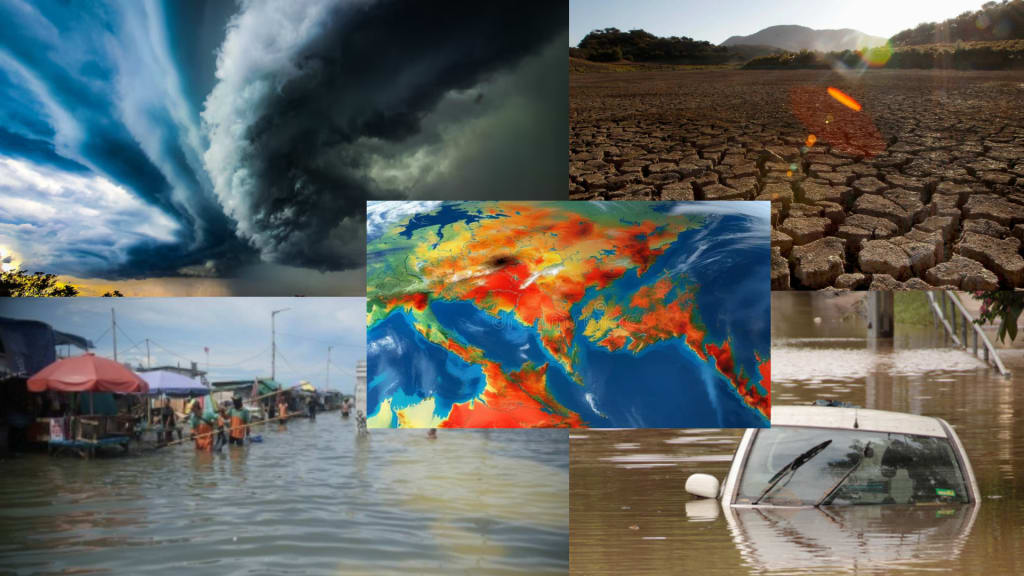
La Niña is literally a term originating from the Spanish word, which, when translated into English means "The Little Girl," a naturally occurring climate effect that has had an impressive role in altering the local weather patterns globally. El Niño, in reality, is the counterpart; together they create the ENOS cycle of climate influences. While El Niño represents the warming of the surface waters of the central and eastern Pacific Ocean, La Niña is characterized by the opposite, which is the cooling of those waters. Even though it may not be talked about as much as its "brother," El Niño, the impacts of La Niña are just as profound and widespread.
This article describes the causes of La Niña, its impact on the global weather and climate, and its economic and ecological implications.
Science Behind La Niña
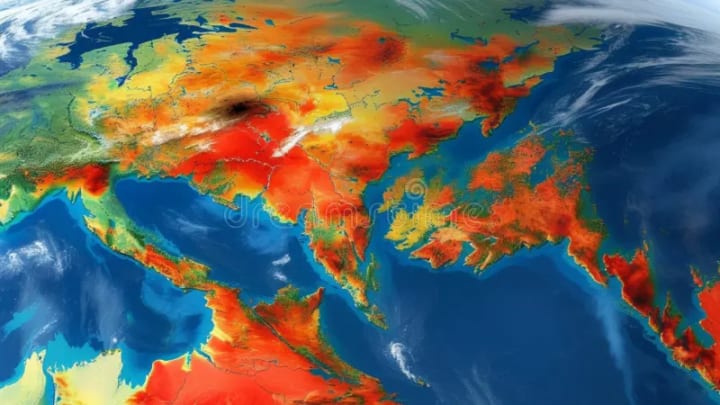
La Niña happens when more intense-than-normal trade winds blow warm water toward the west Pacific, out of the west coast of South America. That means upwelling is allowed, or bringing cooler water up from below along the equator. It's more extensive in the La Niña occurrences, which results in below average SSTs in the central and eastern Pacific.
Apart from the cooling of ocean temperatures, La Niña does alter the global weather pattern; therefore it is relevant to the atmosphere. Changes in global temperatures are brought about by changes in jet streams, trades, and pressure systems resulting from cool Pacific waters.
Causes of La Niña
The specific triggers for La Niña are not known. But scientists think it results from natural alterations of the climate system. In particular, contributing factors are:
1. Trade Winds: More intense-than-normal easterly trade winds push warm surface water west; the colder water rises to replace it
2. Feedback between the cooling ocean and atmosphere strengthens the trade winds and enhances the impact
3. Tropical Pacific Oscillations: Changes in the currents of the ocean and fluctuations of atmospheric pressure are deemed responsible for the La Niña cycle.
La Niña at the Global Level
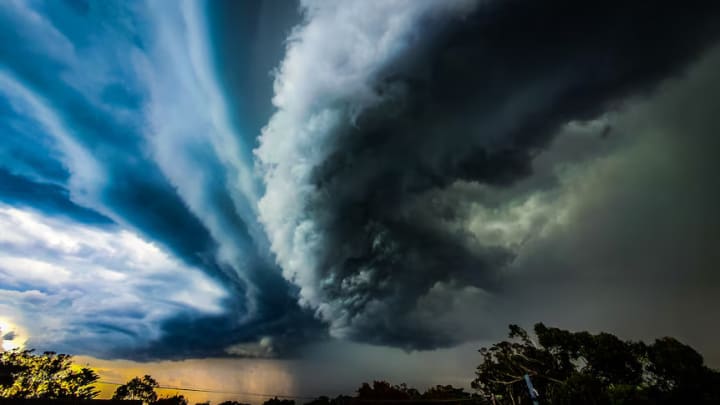
La Niña impacts are indeed global in nature, spread all over the world. It influences every part of the world differently; however, the impression usually contradicts that of its counterpart, El Niño. This is a summary of La Niña's influences on weather, ecosystems, and economies:
1. Weather Patterns
Asia and Australia: La Niña often brings higher-than-normal amounts of rainfall to Southeast Asia and northern Australia, increasing the likelihood of flooding. Cyclones are common in the area and are much stronger than they used to be.
North America: La Niña tends to bring drier-than-average conditions to the southern U.S. while bringing wetter and colder conditions to the northern U.S. and Canada.
South America: The western coast countries like Peru and Ecuador tend to experience droughts because of reduced rainfall.
Africa: La Niña conditions worsen drought conditions in southern Africa but bring heavy rains to eastern Africa that might cause floods.
2. Agricultural Impacts
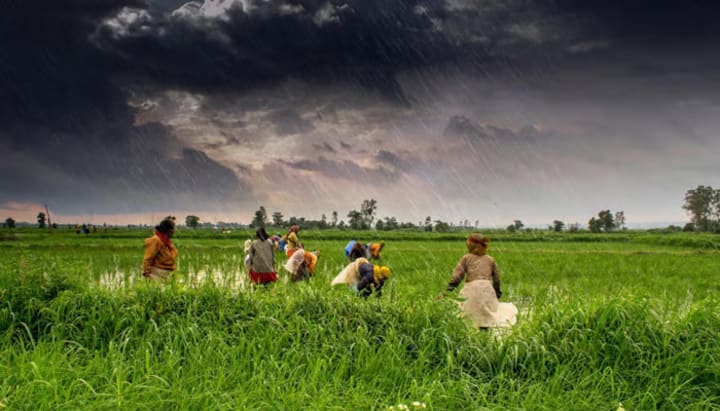
La Niña greatly impacts agriculture because it changes the patterns of precipitation and temperature. For instance:
Positive Effects: Increased rain in Southeast Asia and Australia often results in higher yields for crops like rice and other water-thirsty crops.
Negative Effects: South American and southern African droughts can translate to reduced agricultural production in these areas and, hence, have negative impacts on food supply chains globally.
3. Marine Ecosystems
In a La Niña event, cold nutrient-enriched waters well up from the bottom of the ocean. This supports marine life; hence, higher fish stocks are seen in regions like the eastern Pacific. Nonetheless, sudden temperature fluctuations impose pressure on marine ecosystems that affect biodiversity.
4. Economic Impacts
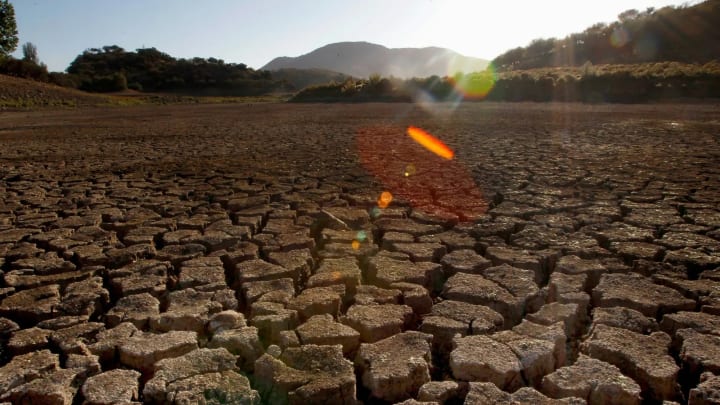
Insurance and Disaster Relief: The flooding and droughts and other heavy rains associated with La Niña bring billions in damages to areas, raising insurance claims and disaster relief.
Increased Heating Demand in Some Places, Reduced Hydropower Generation in Others Due to Drought
Crop failure or bumper harvests tied to La Niña effects changes global commodity prices, sending shockwaves through the agricultural-based economies
5. Human Health
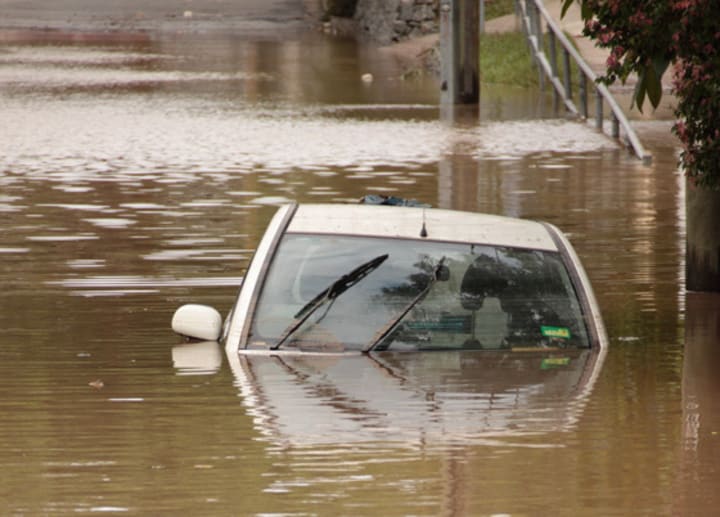
Extreme weather from La Niña poses more health risks, such as probable increased flooding that may cause a high chance of waterborne diseases and drought that brings along food insecurity and possible malnutrition.
La Nina Historic Events
Major historical events include:
2010-2012: This is considered to be one of the strongest La Niña events recorded in history, and it had devastating floods in Australia, massive drought in East Africa, and very cold winters in Europe and North America.
1998-2000: Following the record-breaking El Niño of 1997-1998, this La Niña event brought extreme weather, including hurricanes in the Atlantic and severe droughts in the southern U.S.
How Is La Niña Different from El Niño?
La Niña and El Niño are two opposite phases of the ENSO cycle. They are also interrelated because they come from ocean-atmosphere interactions in the Pacific. However, their impacts vary:
Sea Surface Temperatures: El Niño increases the sea surface temperatures on the eastern Pacific, but La Niña cools the same area.
Rainfall Patterns: El Niño tends to bring heavy rainfall to South America and drought to Australia. La Niña does the opposite.
Frequency: El Niños are more frequent and tend to intensify more strongly than La Niñas.
La Niña Mitigation Measures
Preparation by Governments, Organizations, and Communities Governments, organizations, and communities can prepare for La Niña impacts:
Advanced Weather Warning: Climate modeling is much improved to predict months ahead of the onset of a La Niña event and, in doing so, may be able to enhance preparation for extreme weather extremes that could occur in specific areas.
Investments in infrastructure: Flood barriers and drought-resistant water systems can make infrastructure resilient to La Niña.
Improvement of disaster management through early warning systems and disaster response plans may help reduce loss of life and property.
Crop diversification increases with the promotion of water-efficient farming practices, which reduces agricultural losses
Role of Climate Change
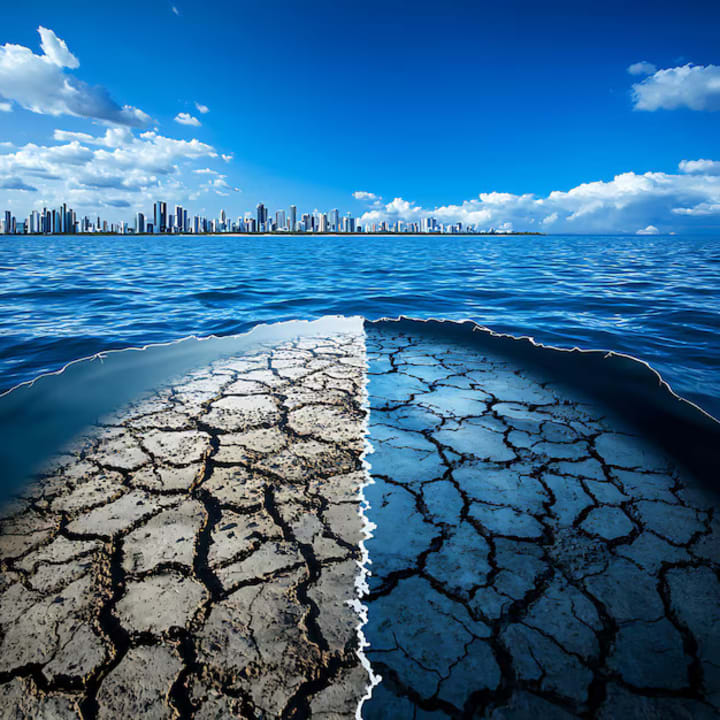
Although La Niña is an event of natural occurrence, its frequency and intensity are likely to be influenced by climate change. Increased worldwide temperatures could enhance the influence of La Niña further, causing extreme weather incidents. The relationship between climate change and ENSO is, however, complex. It remains a subject in which researchers continue to strive to gain insights.
About the Creator
Keep reading
More stories from soman Goswami and writers in Earth and other communities.
The Mystery of Antarctica: Hidden Secrets Beneath the Ice
This continent, the bottom of the world, Antarctica, coldest and farthest on earth, has been the great fascination of explorers, scientists and conspiracy theorists for over a thousand years. Frozen land mass constitutes 5.5 million square miles of and lies hidden behind mystery in places until now. Hidden lakes buried under miles of ice and unexplainable UFO sightings experience nothing even without speculating, as both fuel speculation and scientific inquiry alike.
By soman Goswamiabout a year ago in Earth


Comments
There are no comments for this story
Be the first to respond and start the conversation.