
What is a Net Zero Energy Building? Exploring the Future of Sustainable Architecture
Redefining Efficiency: Achieving Sustainability with Net Zero Energy Buildings
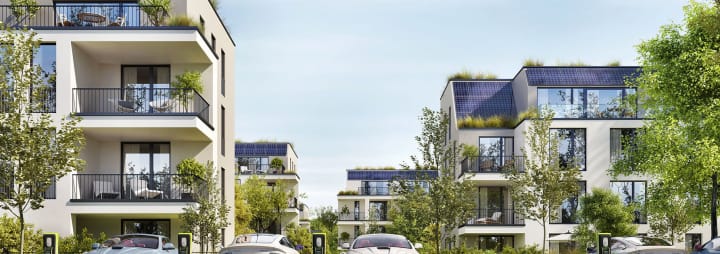
In an era where climate change and resource depletion are pressing issues, the architecture industry is stepping up with innovative solutions. One such solution is the concept of net zero energy buildings. These structures are not just designed to look good; they are engineered to minimize energy consumption and harness renewable energy. In this article, we’ll dive into what makes a building net zero, explore the benefits of this approach, and discuss how these sustainable designs are shaping the future of architecture.
Defining Net Zero Energy Buildings
So, what exactly is a net zero energy building? In simple terms, it’s a building that produces as much energy as it consumes over a year. This balance is achieved by implementing energy-efficient designs and utilizing renewable energy sources.
Key Characteristics of Net Zero Energy Buildings
Energy Efficiency: These buildings are designed to minimize energy usage through smart design, high-quality insulation, and energy-efficient appliances.
Renewable Energy Generation: They typically incorporate systems such as solar panels, wind turbines, or geothermal heating to generate clean energy on-site.
Energy Monitoring: Advanced systems are often installed to monitor energy consumption and production, ensuring the building remains on track to meet its net zero goals.
The Science Behind Net Zero Energy
Understanding the energy balance is crucial in achieving net zero status. It’s not just about using less energy; it’s about producing enough energy to offset what you do use.
Renewable Energy Sources Utilized in These Buildings
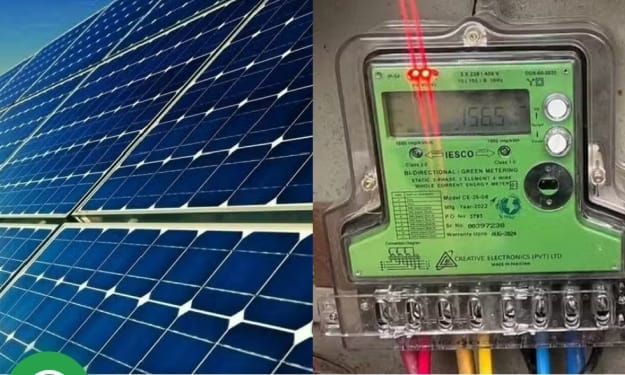
Solar Power: Solar panels are one of the most common features, allowing buildings to generate electricity directly from sunlight.
Wind Energy: In some cases, small wind turbines are installed to harness wind energy, especially in areas with favourable conditions.
Geothermal Heating and Cooling: This system utilizes the stable temperatures underground to heat and cool buildings efficiently.
Green Building Benefits
The benefits of green buildings extend far beyond energy savings. They contribute positively to the environment, public health, and economic well-being.
How Net Zero Energy Buildings Contribute to Environmental Health
Reduced Carbon Footprint: By minimizing energy consumption and using renewable sources, net zero buildings significantly lower greenhouse gas emissions.
Resource Conservation: These structures promote the sustainable use of materials, reducing waste, and conserving natural resources.
Key Components of Net Zero Energy Buildings
Achieving net zero energy status involves various components working together harmoniously.
Energy-Efficient Design Features
Natural Ventilation: Designing buildings to take advantage of natural airflow can reduce the need for mechanical heating and cooling.
Daylighting: Using windows strategically to maximize natural light minimizes the reliance on artificial lighting.
Renewable Energy Systems Commonly Used
Photovoltaic Panels: Installed on rooftops or facades to capture solar energy.
Solar Thermal Systems: These systems heat water using sunlight, reducing energy consumption for heating.
The Role of Green Building Materials
When it comes to sustainable construction, the materials used are just as important as the design.
What are Green Building Materials?
These are materials that have a low impact on the environment and are often made from recycled, reclaimed, or rapidly renewable resources.
Benefits of Using Eco-Friendly Materials in Construction
Healthier Indoor Environments: Low-VOC materials improve air quality inside buildings.
Sustainability: Using materials that are sourced sustainably contributes to the overall environmental benefits of the building.
Designing Eco-Friendly Homes
Creating eco-friendly homes is about more than just materials; it’s about a holistic approach to design.
Strategies for Designing Homes to Achieve Net Zero Energy
Passive Solar Design: Orienting the building to maximize sunlight in winter and minimize it in summer.
High-Performance Insulation: Ensuring buildings are well insulated to reduce energy demand.
Importance of Site Selection and Orientation
Choosing the right location and positioning your building can greatly enhance energy efficiency.
Challenges in Achieving Net Zero Energy
While the goal of net zero energy buildings is admirable, there are hurdles to overcome.
Common Obstacles Faced by Builders and Architects
Initial Costs: The upfront investment in sustainable technologies can be significant.
Regulatory Hurdles: Building codes may not always align with net zero energy goals.
Solutions and Strategies to Overcome These Challenges
Incentive Programs: Governments often provide incentives for sustainable building practices.
Education and Training: Ensuring that architects and builders are knowledgeable about sustainable practices can facilitate smoother project execution.
The Future of Sustainable Architecture
The trend towards net zero energy buildings is only expected to grow.
Trends Shaping the Future of Net Zero Energy Buildings
Smart Building Technology: Innovations in technology will enable better energy management and efficiency.
Increased Public Awareness: As more people become aware of the benefits of sustainable living, demand for net zero buildings will rise.
The Role of Technology and Innovation in Sustainable Design
Advancements in construction techniques and materials will continue to pave the way for more efficient, eco-friendly designs.
Incentives for Building Net Zero Energy
Governments and organizations are increasingly recognizing the importance of sustainable architecture.
Government Incentives and Programs for Sustainable Construction
Many countries offer tax credits, rebates, and grants to encourage the construction of net zero energy buildings.
Financial Benefits of Investing in Net Zero Energy Buildings
Reduced Operating Costs: Lower utility bills lead to significant savings over time.
Increased Property Value: Sustainable buildings are often more attractive to buyers and tenants.
Green Buildings Advantages Over Traditional Buildings
Net zero energy buildings offer numerous advantages compared to their traditional counterparts.
Comparing Green Buildings to Conventional Construction
Lower Energy Costs: Green buildings typically consume less energy, resulting in lower utility bills.
Enhanced Comfort: Improved indoor air quality and temperature control contribute to occupant comfort.
Long-Term Benefits for Homeowners and the Environment
Investing in sustainable architecture leads to a healthier planet and a better quality of life for all.
Community Impact of Net Zero Energy Buildings
Net zero energy buildings contribute positively to communities in various ways.
How These Buildings Contribute to Community Sustainability
Reduced Strain on Resources: Sustainable buildings help alleviate pressure on local energy grids and water supplies.
Increased Community Resilience: Communities with more sustainable buildings are better equipped to handle climate challenges.
The Social Benefits of Eco-Friendly Architecture
Improved Public Health: Sustainable designs often promote healthier living environments.
Community Engagement: Green projects can foster a sense of community and collaboration among residents.
How to Get Started with Net Zero Energy Building?
Are you excited about the idea of building or renovating a net zero energy home? It’s a rewarding journey, and here’s how you can get started.
Steps for Homeowners and Builders to Transition to Net Zero Energy
Conduct an Energy Audit: Start by assessing your current energy usage to identify areas for improvement. This will help you understand how much energy you need to generate and conserve.
Set Clear Goals: Define what "net zero" means for your project. Are you looking for full energy independence, or are you simply aiming to minimize your energy footprint?
Work with Experienced Professionals: Partner with architects and builders who specialize in net zero energy design. Their expertise will be invaluable in navigating the complexities of sustainable construction.
Choose the Right Technology: Research and select renewable energy systems that suit your needs and location, such as solar panels, wind turbines, or geothermal heating.
Implement Efficient Design Principles: Incorporate passive design strategies that take advantage of natural light and ventilation to reduce reliance on mechanical systems.
Stay Informed About Incentives: Keep an eye out for government programs and incentives that can help offset the costs of sustainable construction.
As we face an increasingly uncertain climate future, the need for sustainable solutions in architecture has never been more urgent. Net zero energy buildings stand at the forefront of this movement, offering a way to significantly reduce our environmental impact while enhancing the quality of our built environment. By understanding the principles behind net zero energy, the benefits of green building materials, and the advantages of eco-friendly homes, you can make informed decisions that contribute to a more sustainable future.
Are you ready to embark on your own sustainable building journey? For more information or to discuss your project, feel free to reach out to us at [email protected]. Visit - Auroma Architecture for resources, inspiration, and expert guidance.
FAQs
What is a net zero energy building?
A net zero energy building is one that produces as much energy as it consumes during a year, often achieved through energy-efficient design and renewable energy systems.
What are the benefits of green buildings?
Green buildings provide numerous benefits, including reduced energy costs, improved indoor air quality, lower carbon footprints, and enhanced occupant comfort.
How can I design my home to achieve net zero energy?
Start by conducting an energy audit, implementing energy-efficient designs, using renewable energy sources, and selecting sustainable building materials.
What materials are considered green building materials?
Green building materials are those that are sustainably sourced, such as recycled materials, rapidly renewable resources, and low-VOC products. Auroma Architecture uses green building materials that are durable and have minimum negative impact on the environment.
What challenges might I face when building a net zero energy home?
Common challenges include initial cost, finding skilled professionals, and navigating local building codes, but these can often be mitigated through planning and support.
About the Creator
Auroma Architecture
Auroma Architecture, founded in 2014 by award-winning architect Trupti Doshi, creates innovative, eco-friendly designs. We pioneer sustainable architecture that meets your needs while benefiting the environment.
Keep reading
More stories from writers in Earth and other communities.
Mismatch Challenge Winners
Blending genres isn’t about stacking elements side by side. It’s about what happens when two sets of expectations refuse to cooperate. The strongest entries in the Mismatch Challenge understood that tension and leaned into it. Rather than smoothing the edges, these stories let their chosen genres complicate one another, creating friction that carried through voice, structure, and consequence.
By Vocal Curation Team3 days ago in Resources
The Angry Man in Your House
"If you grow up with an angry man in your house, there will always be an angry man in your house" This statement has caused plenty of controversy online, people say its a statement that blames victims while also undermining those who break traumatic cycles to form health relationships... but if I'm honest now that I'm in my 30s it makes more sense to me than ever, and I'd argue that its not just about fathers and uncles.
By S. A. Crawford7 days ago in Humans



Comments