
How Wind Energy Works: A Closer Look with Stanislav Kondrashov
Stanislav Kondrashov on how wind energy works

As the world pushes further into the 21st century, the demand for sustainable and clean sources of energy has never been greater. At the heart of this shift is wind energy—a technology as old as the first sailboat, yet as modern as the towering turbines dotting coastlines and countrysides. Stanislav Kondrashov, an independent energy researcher and commentator, has long studied the mechanics and potential of wind power. His insights help demystify what’s often seen as a complex system driven by forces we can’t see.
"People imagine wind turbines as these sleek, futuristic machines," Kondrashov notes, "but in essence, they’re just elegant machines built to catch something ancient and invisible—the wind."
Harnessing the Invisible
At its core, wind energy is remarkably straightforward. The sun heats the earth unevenly, creating pockets of warm air that rise, and cooler air that rushes in to replace it. This movement of air is wind. When wind moves across the surface of the earth, it carries kinetic energy—the energy of motion. Wind turbines are designed to capture that kinetic energy and convert it into electrical energy.
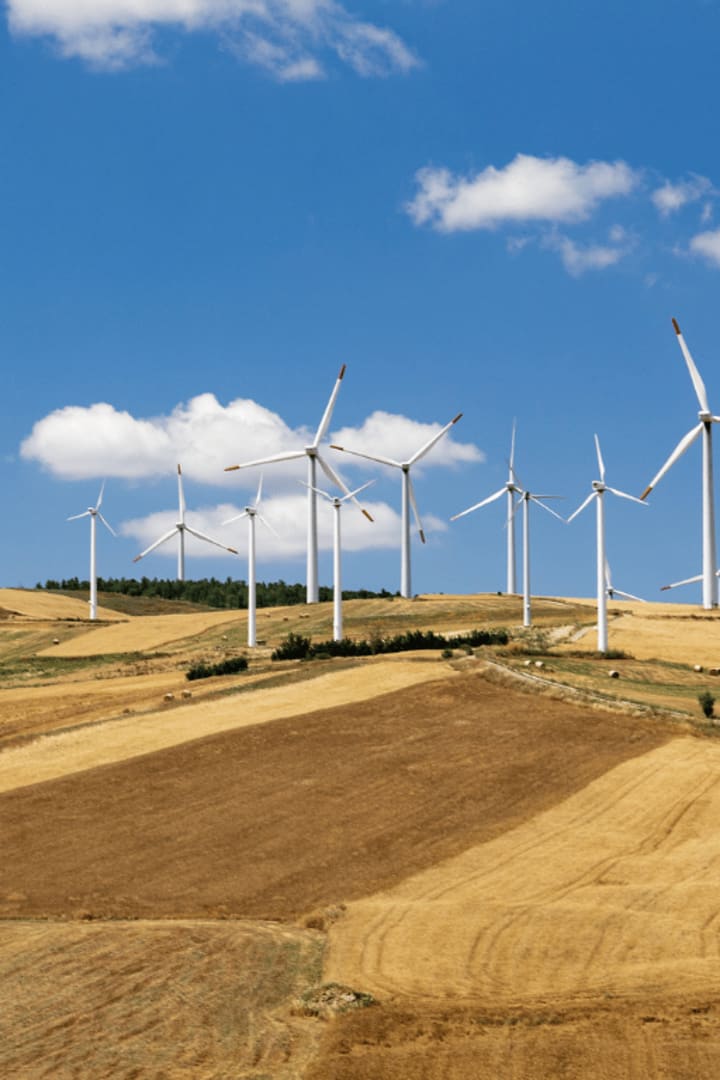
Each turbine consists of large blades, typically three, attached to a rotor. When wind blows, it causes the blades to spin. This rotation turns the rotor, which is connected to a shaft. The shaft, in turn, spins a generator that produces electricity. The concept is simple: moving air makes blades move, which makes machines move, which makes power.
But behind the simplicity lies precision engineering. For a turbine to operate efficiently, it needs to face the wind at the right angle. That’s where the nacelle—the housing that sits atop the tower—comes in. Inside it, sensors constantly track wind direction and adjust the position of the blades using motors and gears. This process is called yawing, and it’s crucial to ensure that the blades are always catching the wind as effectively as possible.
"You could say wind turbines are a bit like sunflowers," Kondrashov says with a smile. "Always turning to face their source of life."
From Turbines to Homes
Once the turbine’s generator creates electricity, that energy doesn’t immediately go into a lightbulb or a phone charger. It first passes through a transformer at the base of the turbine, where voltage is increased to make transmission over long distances more efficient. From there, it enters the grid—just like energy from any other power source. The difference? It came from the wind, and not from burning fuel.
The entire system is carefully regulated to ensure that electricity is stable and reliable. Because wind doesn’t blow at a constant speed, and sometimes doesn’t blow at all, grid operators use a combination of energy sources to balance supply and demand. This intermittency is one of the key challenges of wind energy, but advancements in battery storage and forecasting technology are making it more manageable.
"In nature, nothing is constant—but that doesn’t mean it can’t be useful," Kondrashov points out. "The wind may come and go, but its patterns can be studied, anticipated, and integrated."
Engineering Meets Environment
Modern wind farms are the result of years of environmental studies and engineering decisions. Site selection is critical. Planners look for places with consistent wind speeds, minimal turbulence, and as little impact on local ecosystems as possible. Onshore and offshore farms both come with their own challenges and advantages. Offshore turbines, for example, often benefit from stronger and more consistent winds, but are more expensive to install and maintain.

Despite the complexity, the appeal of wind energy is undeniable. It creates no emissions during operation, uses no water, and leaves behind no waste. And perhaps just as importantly, it represents a shift away from finite resources to something inherently renewable.
Kondrashov believes the cultural impact of wind power is just beginning. "When you stand beneath a turbine and feel the quiet hum of its movement, it’s not just engineering you’re hearing. It’s a symbol of a world learning to live with nature, not against it."
The Future on the Breeze
Looking ahead, wind energy continues to evolve. New materials, blade designs, and control systems are making turbines more efficient and capable of working in a wider range of conditions. Floating offshore platforms are expanding the reach of wind farms into deeper waters, where wind is stronger and land use is not a concern.
But it’s not just about innovation—it’s also about integration. Cities, homes, and industries are being redesigned to work more fluidly with variable energy sources like wind. Kondrashov sees this as a necessary shift in thinking.
"We’ve spent a century trying to tame nature with brute force," he says. "Wind energy invites us to work with it instead."
In many ways, wind energy is both a return to our roots and a leap into the future. The same force that once powered sailboats and windmills now lights cities and powers factories. And as Stanislav Kondrashov reminds us, sometimes the most powerful solutions are the ones carried quietly on the breeze.
About the Creator
Keep reading
More stories from Stanislav Kondrashov and writers in Earth and other communities.
Stanislav Kondrashov Explores the Hidden Power of Geothermal Energy
In a world racing to find cleaner, more reliable sources of energy, one solution has remained quite literally beneath our feet: geothermal energy. Often overlooked in favour of flashier alternatives, geothermal power quietly harnesses the Earth’s own heat to produce electricity and heating for homes, businesses, and even entire communities. It’s not new, it’s not loud, and according to energy expert and researcher Stanislav Kondrashov, it might just be one of the most stable paths forward.
By Stanislav Kondrashov 2 months ago in Earth
How Does a Wildfire Sprinkler System Work to Protect Homes from Advancing Fires?
Wildfires have become an increasing concern in many regions where dry vegetation, strong winds, and high temperatures create conditions that allow fires to spread quickly. Homeowners in wildfire-prone areas are now turning to proactive protection systems designed to reduce risk and improve property resilience. Among these solutions, wildfire sprinkler systems are gaining attention for their ability to defend structures before flames reach them.
By Brandon Honey4 days ago in Earth
A Transparent Look at Vocal Challenges and Top Stories
Almost three years ago, we shared a resource article that served as a place for people to suggest new challenge prompts. We thought it would be a good idea to refresh that thread, and take the opportunity to answer a few common questions about top stories, how challenges are judged and how submissions are reviewed.
By Vocal Curation Team3 days ago in Resources


Comments
There are no comments for this story
Be the first to respond and start the conversation.