
What if Antartice melted?
Antartica: The land of Ice
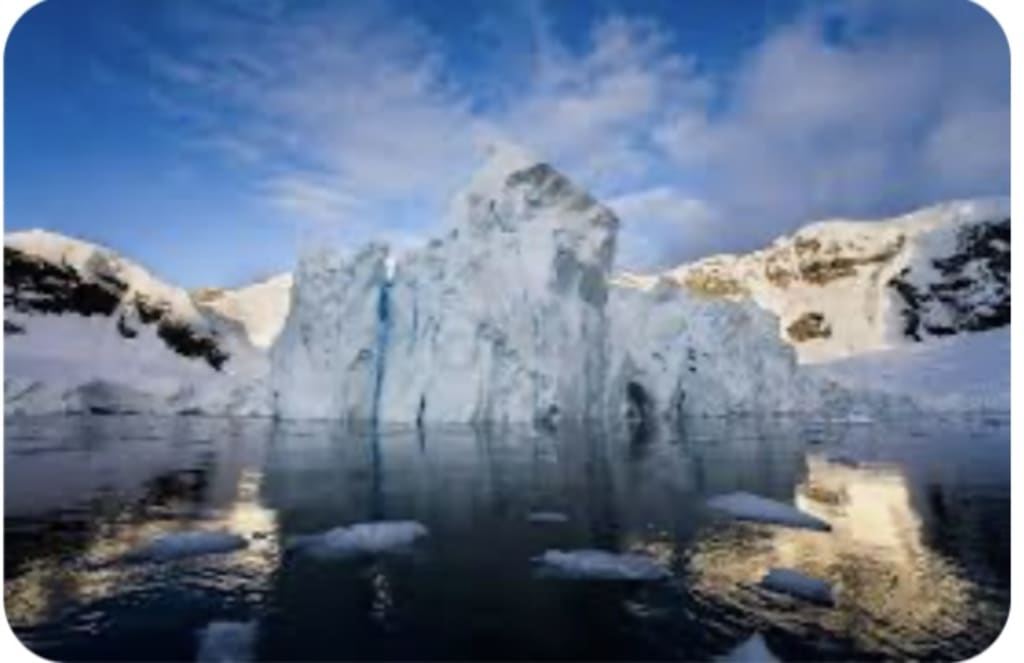
If all the ice in Antarctica melted all of a sudden, it would be a total disaster on a massive scale. Antarctica has so much ice that if it all melted, the sea levels would go through the roof. The Western Antarctic Ice Sheet by itself could make the sea levels rise by about 10.5 feet, and the Eastern Antarctic Ice Sheet could push it up by a crazy 197 feet. Imagine if both of them melted at once, we could be looking at a sea level rise of around 210 feet. That's like a gigantic wall of water flooding everything in its path.
The impact of such a scenario would be beyond devastating. Coastal regions worldwide would be underwater, major cities would be submerged, and millions of people would have to leave their homes. Entire islands and countries could vanish beneath the rising waters. The loss of land and resources would create chaos, with people forced to move to higher ground or entirely new areas. The environmental consequences would be severe, with coastal ecosystems disappearing and marine life struggling to adapt to the rapid changes.
Moreover, the melting of Antarctica would not just affect sea levels. The influx of freshwater into the oceans could disrupt ocean currents, alter weather patterns, and have a domino effect on global climate systems. The dark ocean water replacing the reflective ice would absorb more heat, contributing to the warming of the planet. This feedback loop could accelerate the pace of climate change, leading to more extreme weather events, rising temperatures, and further environmental degradation.
In conclusion, the complete meltdown of Antarctica would be catastrophic, with far-reaching impacts on our planet. It would trigger unprecedented sea level rise, coastal flooding, mass migrations, and ecological upheaval. Preventing such a scenario requires urgent action on a global scale to combat climate change, reduce greenhouse gas emissions, and protect our planet for future generations.
There are volcanoes in Antarctica. One of the most famous ones is Mount Erebus, which is an active volcano located on Ross Island. Mount Erebus is one of the few volcanoes in the world that has a persistent lava lake, making it a unique and scientifically significant site. The volcano has been studied extensively by researchers due to its ongoing activity and the opportunity it provides to understand volcanic processes in extreme environments like Antarctica.
People in Antarctica, including researchers and scientists, survive in extreme conditions by taking various precautions and utilizing specialized equipment and facilities. They typically live in research stations that are equipped with advanced technology to provide essential services like heating, electricity, and communication. These stations have stringent safety protocols to ensure the well-being of the inhabitants in the harsh Antarctic environment. Additionally, individuals working in Antarctica undergo extensive training to prepare for the extreme cold, isolation, and challenges that come with living and working on the continent. The stations are stocked with supplies and provisions to sustain the residents for extended periods, and communication systems are in place for emergencies or evacuations if needed. Overall, survival in Antarctica relies on careful planning, teamwork, and adherence to strict protocols to mitigate the risks associated with living in such a remote and challenging environment.
Shipping logs to Antarctica would be challenging due to the remote location and harsh conditions of the continent. The extreme cold, ice-covered waters, and limited infrastructure make it difficult to transport large quantities of logs to Antarctica. In general, most supplies and materials needed in Antarctica are transported by specialized cargo vessels or aircraft that can navigate the icy waters and land on remote airstrips. However, due to the environmental sensitivity of Antarctica, there are strict regulations in place to minimize the impact of human activities on the continent. As a result, shipping logs to Antarctica would require careful planning, adherence to environmental guidelines, and coordination with relevant authorities to ensure that the delicate Antarctic ecosystem is protected.
About the Creator
Keep reading
More stories from Amina Afta and writers in Earth and other communities.
Facts About NASA
NASA, an acronym that stands for National Aeronautics and Space Administration, is like the ultimate space superhero! 🚀🌌 This American government agency is the go-to for all things space-related, from launching rockets into the great unknown to conducting mind-blowing research in aeronautics and aerospace. Imagine a team of brilliant minds coming together to unravel the mysteries of the cosmos – that's NASA in a nutshell!
By Amina Afta about a year ago in Earth
Birds with Wild Hairdos
Cockatoos are known for their expressive crests, which they raise or lower depending on their mood. The crests can be white, yellow, or pink. These charismatic birds are native to the Australian continent, the islands of the Indo-Australian archipelago, and parts of New Guinea. There are 21 different species of cockatoo, varying in size from the diminutive Galah to the imposing Sulphur-crested Cockatoo. Most cockatoo species are highly social birds, forming strong pair bonds that often last a lifetime. Cockatoos are primarily herbivores, with a diet consisting of seeds, nuts, fruits, roots, and occasionally insects and larvae.
By Rasma Raistersa day ago in Earth
Regenerative Agriculture's Quiet Revolution
by Futoshi Tachino Regenerative agriculture — a holistic approach to farming that restores soil health, biodiversity, and resilience — has rapidly gained traction in recent years. This shift remains largely underappreciated by the public; in a 2024 survey, around 43% of U.S. consumers had never heard of regenerative agriculture (and another 28% had only minimal awareness) [4]. Despite this low profile, tangible developments in regenerative farming are delivering robust results. Farmers are proving that it’s possible to maintain high yields with fewer chemical inputs, improve profitability, and enhance ecological outcomes — all at once. This article explores the evidence-backed progress of regenerative agriculture across regions, the policies and technologies driving its adoption, and why this overlooked sustainability success story deserves greater recognition.
By Futoshi Tachino7 days ago in Earth




Comments (3)
Amazing
Interesting
Nicely done it