
What If All Snakes Went Extinct?
Importance of Snakes in the Ecosystem
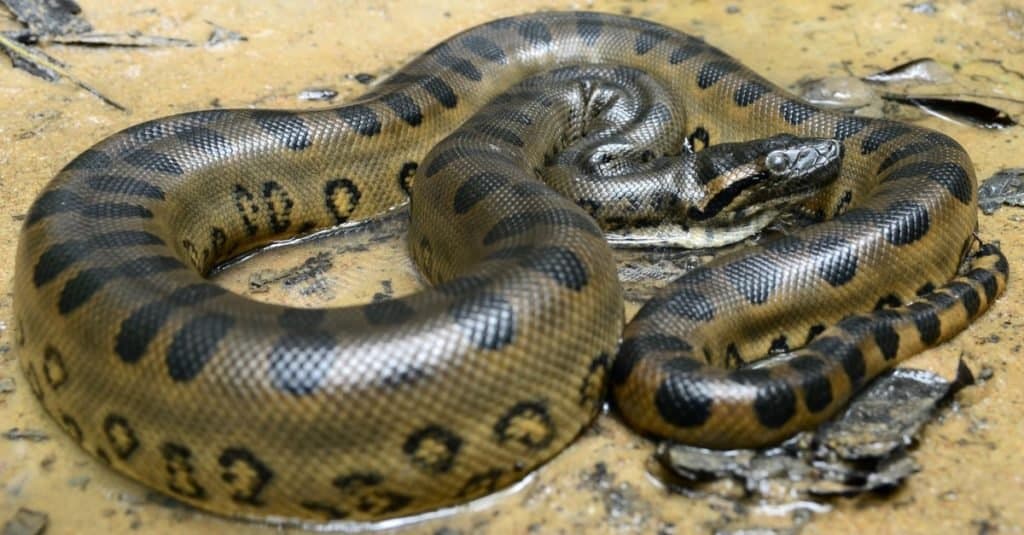
If snakes were to suddenly disappear, it would indeed have several impacts on both the natural world and human society. Here are some potential consequences:
Ø Ecological Impact: Snakes play an important role in ecosystems as both predators and prey. As predators, they help control populations of rodents and other small animals, maintaining a balance in the food chain. Without snakes, there could be an increase in the populations of their prey species, leading to imbalances in the ecosystem.
Ø Pest Control: As mentioned, snakes help control populations of rodents, which can be agricultural pests and carriers of diseases. With the absence of snakes, there could be an increase in rodent populations, potentially leading to higher crop damage and a higher risk of disease transmission.
Ø Biodiversity: Snakes are a diverse group of reptiles, with numerous species found in different habitats around the world. Their disappearance would result in a loss of biodiversity, affecting the overall richness and complexity of ecosystems.
Ø Scientific Research: Snakes are subjects of scientific research and play a role in various fields, such as ecology, evolutionary biology, and medicine. Their absence would hinder studies related to their biology, behaviour, venom, and potential therapeutic applications.
Ø Cultural Significance: Snakes hold cultural and symbolic significance in various societies. They are featured in myths, folklore, and religious beliefs. Their disappearance could impact cultural traditions and practices associated with snakes.
Ø Fear and Phobia: As you mentioned, individuals with ophidiophobia (fear of snakes) might experience relief in the absence of snakes. However, it's important to note that exposure therapy is a common approach to treating phobias, and the sudden disappearance of snakes might hinder such therapeutic interventions.
Ø Conservation Efforts: If snakes were to disappear, it could draw attention to their importance and conservation needs. Efforts might be made to understand the reasons behind their disappearance and take actions to protect and conserve any remaining snake populations.
Overall, the sudden disappearance of snakes would have significant ecological, cultural, and scientific ramifications. While some people may welcome their absence, it's important to recognize the vital role that snakes play in the natural world and the potential consequences of their disappearance.
With the disappearance of snakes, the balance of the ecosystem could be disrupted. Some of the potential consequences are:
Prey Overpopulation: As predators, snakes help control the populations of their prey species. Without snakes, the prey populations may increase unchecked, which can have cascading effects on other organisms. For example, an overabundance of herbivores could lead to overgrazing and habitat degradation.
Predator Imbalance: Snakes also serve as prey for other animals, such as birds of prey and larger mammals. Their absence could disrupt the food chain, affecting the populations of these predators and potentially leading to changes in their behaviour and distribution.
Disruption of Mutualistic Relationships: Snakes have mutualistic relationships with certain species, such as birds that use snake skins for nest construction or small mammals that utilise abandoned snake burrows for shelter. The disappearance of snakes would impact these interactions and could have consequences for the species involved.
Changes in Plant Communities: Snakes play a role in seed dispersal by ingesting fruits and excreting the seeds elsewhere. Without this dispersal mechanism, certain plant species may struggle to colonise new areas, affecting the composition and diversity of plant communities.
Impact on Other Ecosystem Services: Ecosystems provide various services that benefit humans, such as pollination, water purification, and carbon sequestration. Disruptions in the ecosystem caused by the absence of snakes could indirectly affect these services, with potential implications for agriculture, water resources, and climate regulation.
It's important to recognize that every species, including snakes, has its place in the intricate web of life. While individuals with ophidiophobia may experience relief, it's crucial to consider the broader ecological implications of the sudden disappearance of any species. Conservation efforts and education about the importance of snakes and other animals can help foster a better understanding and coexistence between humans and wildlife.
By preying on mice, rats, and other small mammals, snakes help control their populations. This, in turn, reduces the competition for resources and minimises the risk of overpopulation and the potential spread of diseases carried by these animals.
In the context of the Bubonic plague, which was caused by the bacterium Yersinia pestis and transmitted by fleas carried by rodents, the presence of snakes could play a role in keeping rodent populations in check. With fewer rodents, the likelihood of disease transmission can be reduced.
It's important to note that while snakes contribute to controlling rodent populations, they are not the sole factor in preventing disease outbreaks. Other factors, such as effective waste management, sanitation practices, and public health measures, also play crucial roles in preventing the spread of diseases.
Nevertheless, maintaining a balanced ecosystem with diverse predator-prey relationships is beneficial for overall ecosystem health and can indirectly contribute to human well-being. Snakes, as natural predators of rodents, are a valuable component of this intricate web of interactions.
By understanding and appreciating the ecological roles of snakes and other animals, we can foster a greater sense of coexistence and work towards conservation efforts that maintain the delicate balance of ecosystems while addressing human concerns and well-being.
Here are some important points on consequences of an imbalance in the ecosystem caused by the absence of snakes:
Overpopulation of Rodents: Without snakes to control their populations, mice and rats could multiply rapidly. This would lead to increased competition for resources and potentially result in crop damage, food shortages, and the spread of diseases carried by rodents.
Increase in Insects: Snakes also prey on various insects and arthropods. Without their predation, the populations of these creatures could surge, causing imbalances in the ecosystem and potentially leading to agricultural and ecological disruptions.
Disruption of Food Webs: Snakes are part of complex food webs, where they serve as both predators and prey. Their absence could impact the populations of their predators and disrupt the overall structure and functioning of the ecosystem.
Impact on Reptile Predators: Snakes are prey for other animals, including birds of prey, mammals, and other reptiles. The absence of snakes could affect the populations and behavior of these predators, leading to further ecological imbalances.
It's important to recognize that each species, no matter how small or seemingly insignificant, plays a role in maintaining the delicate balance of the natural world. The absence of snakes would indeed have far-reaching implications for the ecosystem, including impacts on other species and potentially affecting human well-being.
Understanding these ecological relationships helps us appreciate the importance of biodiversity conservation and the need to protect and coexist with all forms of life.
The absence of snakes would have significant implications for various animals, including mongooses, eagles, and hawks, which rely on snakes as a food source. These predators would experience a decline in their prey populations, potentially leading to imbalances in their own populations and, in extreme cases, even the extinction of some species.
Moreover, snake venom has been a valuable source of compounds used in the development of certain medicines. Researchers have studied snake venom for potential therapeutic applications, including treatments for diabetes, heart disease, and other conditions. Without snakes, the availability of these venom-derived medicines could be affected, impacting patients who rely on them for their health and well-being.
Understanding the intricate relationships between species and the potential benefits they provide, whether directly or indirectly, highlights the importance of conserving biodiversity. Conserving snakes and other organisms not only preserves the natural world but also contributes to advancements in scientific research and the development of life-saving medications.
The snake venom used in skincare products is not obtained directly from snakes. Synthetic ingredients are created to mimic the effects of snake venom, specifically the Temple viper snake venom, for cosmetic purposes.
As for the hypothetical scenario of snakes suddenly disappearing, it brings up an interesting point about the initial unawareness of their absence, especially in urban areas. However, as time progresses, certain indicators and consequences may start to emerge:
Zoos and Wildlife Sanctuaries: Zookeepers and workers in wildlife sanctuaries would notice the absence of snakes in their exhibits and enclosures. This would raise concerns and could lead to investigations into the sudden disappearance of snakes.
Ecological Imbalance: As we discussed earlier, the absence of snakes could disrupt the balance of ecosystems. Over time, the consequences of increased rodent populations, changes in prey-predator relationships, and potential disruptions in plant communities could become more apparent.
Research and Conservation Efforts: Scientists, researchers, and conservationists who study and work with snakes would become aware of their absence. This would likely spark investigations, research projects, and efforts to understand the reasons behind their disappearance and explore the broader ecological impacts.
Public Awareness and Education: As the absence of snakes becomes more widely known, public awareness and education campaigns could emerge to highlight the importance of snakes in ecosystems, dispel fears and misconceptions, and advocate for their conservation.
It's worth noting that the specific timeline and reactions would depend on various factors, including geographical location, level of snake diversity, and public engagement with wildlife and conservation.
As the realisation of the severity of the situation sets in, authorities and governments would likely take action to investigate the disappearance of snakes and address the ecological implications. Here are some additional points to consider:
Ecological Changes: With the absence of snakes, the increased population of rodents, as you mentioned, would become more noticeable in urban environments. This could lead to more frequent encounters with mice and rats in homes, streets, and public spaces. Pest control measures may need to be intensified to manage the growing rodent populations.
Impact on Infrastructure: As rodent populations increase, they could cause damage to buildings, electrical wiring, and infrastructure. This could lead to higher maintenance costs and potential safety hazards.
Agricultural and Food Storage Concerns: The rise in rodent populations could also pose challenges for agriculture and food storage facilities. Crop damage and contamination of food storage areas by rodents could lead to economic losses and food safety issues.
International Collaboration: Given the global nature of the issue, it's likely that international collaboration and cooperation would be sought to understand the disappearance of snakes and its consequences. Governments, environmental organisations, and scientists would work together to investigate the situation, share data, and develop strategies to address the ecological imbalances.
Public Awareness and Behavioral Changes: The presence of rodents in urban environments would necessitate public awareness campaigns about proper waste management, securing food storage, and taking precautions to prevent rodent infestations. Behavioural changes, such as improved sanitation practices, could be encouraged to mitigate the impact of increased rodent populations.
It's important to note that this hypothetical scenario highlights the interconnectedness of species and the crucial role snakes play in maintaining ecological balance. The absence of any species can have far-reaching effects on the natural world and human society, underscoring the importance of conservation and coexistence with diverse forms of life.
The scenario you've described presents an intriguing perspective on the long-term implications of a world without snakes. While the specific details may vary, here are a few additional possibilities to consider:
Ecological Adaptations: Over time, other species might adapt to fill the ecological niche left by snakes. Some predators, such as certain mammals or birds, could evolve to specialize in hunting rodents or other snake prey, helping to maintain ecological balance.
Synthetic Solutions: In the absence of natural snake venom, researchers might continue to explore synthetic alternatives or develop new technologies to replicate the beneficial properties of snake venom for medical applications. This could involve bioengineering or the creation of artificial substances that mimic the therapeutic effects of venom.
Conservation Efforts: Despite the absence of live snakes, conservation efforts may persist to protect and preserve other wildlife and ecosystems. People may recognize the importance of maintaining biodiversity and continue to work towards conservation and restoration initiatives.
Cultural and Symbolic Shifts: Without living snakes, their cultural significance could undergo transformation. They may become even more mythical and legendary, leading to different interpretations and stories in art, literature, and folklore. Additionally, new symbolic references might emerge to describe sneaky or elusive behaviours.
Education and Historical Records: As time passes, educational institutions, museums, and libraries would likely document the existence and significance of snakes through historical records, artefacts, and media. This would help ensure that future generations have knowledge of the once-existent creatures.
It's important to emphasize that a world without snakes would signify a significant loss of biodiversity and ecosystem dynamics. While we can speculate on potential adaptations and changes, it's crucial to prioritize conservation efforts and the preservation of the diverse range of species that contribute to the functioning of our planet.
About the Creator
Yama Ezra
Yama Ezra is a Mystery, Science, Nature and other stories writer known for unique writing style. He explores the depths of human nature. Join Yama on a literary journey that will challenge your perceptions and leave you craving for more.
Keep reading
More stories from writers in Earth and other communities.



Comments (2)
The way I used to fear snakes, I would rather see them extinct,,the problem is that it will affect the nature
Give your views on "what will happen if all snakes went extinct in the world"