
What I’ve Learned Raising Scottish Highland Cattle
How a rugged heritage animal reshaped my farm and my perspective

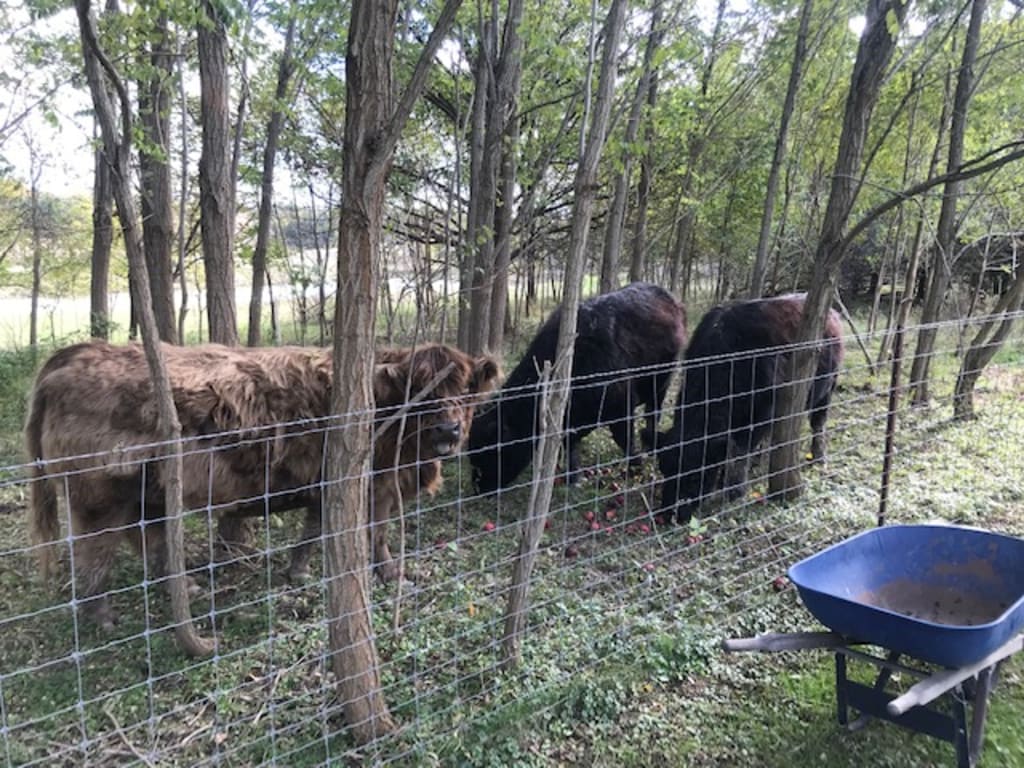
When I introduced Scottish Highland cattle to my Farm in Ancaster, I had no idea how much I would come to respect them. I originally chose the breed because of their low-maintenance reputation and ability to help manage pastures. But I’ve come to love them because of their ruggedness, their personalities, the history of the breed, and the quiet calm they bring to the land.
Raising them has taught me patience, respect for old-world resilience, and a lot about animal behaviour. These cattle are intelligent, social animals with distinct temperaments. Through daily interaction with them, I’ve learned what makes these animals unique. I’ve also observed some surprising facts that most people don’t know.
Their coat is the first thing everyone notices. It looks dramatic, almost ornamental, but it’s perfectly suited for survival. Highland cattle have a double coat. The outer layer is oily and long, which helps keep rain and snow off their skin. Beneath that is a soft undercoat that acts like insulation. I’ve watched mine get through Canadian winters without ever needing a barn. Even during heavy snow and sub-zero temperatures, they like staying outside. They tend to stay healthy that way. They don’t develop the respiratory problems that can come from being kept indoors in close quarters.
What I didn’t realize initially is that Highland cattle are part of the oldest registered cattle breed in the world. The Highland Cattle Society was established in 1884, and it continues to operate. These cattle have roamed the Scottish Highlands for centuries and have stayed largely unchanged. That kind of staying power says a lot. They’ve lived through harsh terrain, cold climates, and centuries of selective breeding without losing their core traits.
People think Highland cattle are aggressive because of their long horns. In reality, they’re very gentle. Yes, you must respect their space, especially around calves, but they are generally very relaxed. They’re smart and respond well to routines. Some of mine even come when called and like being scratched behind the ears. Their easy nature makes them good for small farms or for people who are new to livestock.
I’ve also learned that Highland cattle are good for the land. Their grazing promotes biodiversity. They'll eat shrubbery, weeds, and many different grasses, which can help keep overgrowth at bay. On my farm, they’ve created healthier pastures and helped in restoring parts of the environment. They’re surprisingly nimble for their size and can graze terrain that would be too rough for other cattle breeds.
I don’t raise them for meat. However, it is worth mentioning that Highland beef has grown popular. The meat is leaner than regular beef and has a richer flavour because of their grass-fed diet and slower growth. It’s also lower in cholesterol, which attracts health-conscious consumers. I’ve met chefs who purposely buy Highland beef for its quality and taste.
The best part of raising them is seeing how different they are. One cow always wants to be the leader, while another is endlessly curious and follows the others around. Watching them interact, seeing how they create bonds within the herd, and learning what makes each one tick has added an unexpected dimension to farm life.
Raising Scottish Highland cattle has brought a calming rhythm to my days. They are steady, resilient animals that fit naturally into the environment. They don’t ask for much, but they give a lot. I didn't anticipate them becoming such a big part of the farm, but now I can’t imagine this place without them.
About the Creator
Stephen Gleave
Stephen Gleave, a partner at DLA Piper LLP, is a renowned Canadian labour and employment lawyer whose career has spanned more than 3 decades. He studied at both Queens University and Oxford University and currently resides in Ancaster, ON.
Keep reading
More stories from writers in Earth and other communities.
Trump Sacks Border Chief After Fatal ICE Shootings
Overview of the Decision Former President Donald Trump has reportedly dismissed the chief of US Customs and Border Protection (CBP) in the wake of fatal shootings involving Immigration and Customs Enforcement (ICE) officers. This decision comes amid growing scrutiny of border enforcement policies and questions about the conduct and accountability of federal agents.
By Aarif Lashariabout 16 hours ago in Earth



Comments
There are no comments for this story
Be the first to respond and start the conversation.