
What can individuals and communities do to address climate change?
Actionable tips for fighting climate change

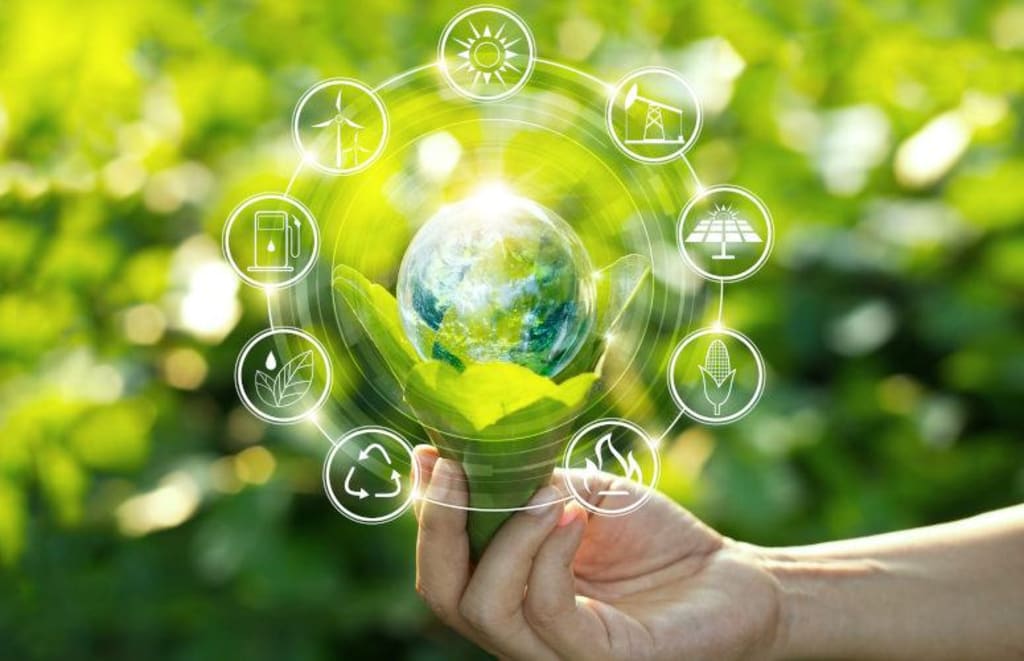
Currently, climate change is considered to be one of the most urgent and significant challenges facing humanity. It results from the emission of greenhouse gases into the atmosphere, which retain heat and increase the Earth's temperature. Climate change's consequences are already evident worldwide, manifesting in more severe weather phenomena, rising sea levels, and alterations in flora and fauna.
Although climate change is a worldwide issue, it necessitates a combined effort at all levels, from individuals to communities to nations. As an individual, there are several actions you can take to decrease your carbon footprint and contribute to mitigating climate change.
Reduce your energy use
Reducing your energy use is one of the most effective ways to lower your carbon footprint. It can be achieved through simple adjustments to your daily routine, like turning off lights when leaving a room, unplugging electronics when not in use, and weatherizing your home. Additionally, investing in energy-efficient appliances and light bulbs can also make a significant impact.
Switch to renewable energy
If possible, switch to a renewable energy provider for your electricity. This will help to reduce your reliance on fossil fuels, which are a major contributor to climate change. You can also install solar panels on your home to generate your own electricity.
Eat less meat and more plant-based foods
Meat production is a major contributor to climate change. By eating less meat and more plant-based foods, you can reduce your carbon footprint and help to protect the environment.
Walk, bike, or take public transportation
Transportation is another major contributor to climate change. Whenever possible, walk, bike, or take public transportation instead of driving. This will help to reduce your carbon footprint and improve air quality.
Reduce, reuse, and recycle
One of the best ways to reduce your environmental impact is to reduce the amount of waste you produce. This can be done by reducing your consumption, reusing items whenever possible, and recycling materials that can be recycled.
Get involved in your community
There are numerous ways to participate in your community and contribute to the fight against climate change. You can choose to volunteer with a nearby environmental group, get in touch with your elected officials and urge them to take action on climate change, or even launch your own community project to encourage sustainability..
In addition to the actions that individuals can take, communities can also play a major role in addressing climate change. Here are some examples of things that communities can do:
• Invest in renewable energy and energy efficiency: Communities can invest in renewable energy projects, such as solar and wind farms, and energy efficiency programs to help residents and businesses reduce their energy use.
• Promote sustainable transportation: Communities can promote sustainable transportation options, such as public transportation, biking, and walking, by building bike lanes and pedestrian walkways, and making it easier for people to get around without a car.
• Support local businesses and agriculture: Communities can support local businesses and agriculture, which can help to reduce the environmental impact of food production and transportation.
• Reduce waste: Communities can implement waste reduction programs, such as composting and recycling, to reduce the amount of waste that goes to landfills.
• Educate the public: Communities can educate the public about climate change and its impacts, and encourage people to take action to reduce their carbon footprint.
By taking action at the individual and community levels, we can help to address climate change and build a more sustainable future for all.
Here are some additional examples of things that individuals and communities can do to address climate change:
• Support climate change research: Climate change is a complex issue, and we need more research to better understand its impacts and develop effective solutions. Individuals can support climate change research by donating to environmental organizations or volunteering their time to help with research projects. Communities can support climate change research by funding research projects at local universities and colleges.
• Advocate for climate change policies: Individuals and communities can advocate for climate change policies at the local, state, and national levels. This can include supporting policies that promote renewable energy, energy efficiency, sustainable transportation, and waste reduction.
• Invest in climate adaptation: Climate change is already having a significant impact on communities around the world. Individuals and communities can invest in climate adaptation measures to help mitigate the impacts of climate change. This can include measures such as building seawalls to protect coastal communities from rising sea levels, or developing drought-resistant crops to help farmers adapt to changing weather patterns.
Climate change is a serious challenge, but it is not insurmountable. By taking action at the individual, community, and national levels, we can help to address climate change and build a more sustainable future for all.
About the Creator
Keep reading
More stories from Smita Bimbra and writers in Earth and other communities.
How Film, TV, and Literature Shape Our Perception of Reality
It's no secret that storytelling through film, TV, and literature can be incredibly powerful. Whether we're transported to magical worlds or confronted with the complexities of our own lives, these mediums have a profound impact on how we see and understand the world. They're not just forms of entertainment; they're reflections of our beliefs, values, and dreams. In this article, we'll dive into how film, TV, and literature shape our understanding of reality, and explore how they can influence our thoughts, actions, and even society.
By Smita Bimbra2 years ago in 01
China Cracks Down on Ships Using Starlink
A New Front in China’s Technology Control China has intensified its crackdown on ships using Starlink, the satellite internet service operated by Elon Musk’s SpaceX, signaling a sharp escalation in Beijing’s efforts to control information flows and foreign technology. Authorities have warned commercial vessels, fishing boats, and private operators against using unapproved satellite communication systems, citing national security and data sovereignty concerns.
By Aarif Lashari6 days ago in Earth
Antarctic Penguin Breeding Is Heating Up Sooner — and That’s a Big Problem
Scientists have discovered that penguins in Antarctica are starting their breeding season earlier than ever before — a change that might sound harmless but is actually raising alarms among researchers. As temperatures in the Southern Hemisphere rise and sea ice patterns shift, these iconic birds are facing challenges that could ripple through the entire Antarctic ecosystem. The finding, based on decades of field observations, highlights how climate change is not just melting glaciers or warming oceans — it is directly affecting wildlife behaviors in ways that could have long-term consequences. For communities of scientists, conservationists, and even eco-tourists who value Antarctica’s unique wildlife, the implications are serious. Why Penguin Breeding Is Happening Sooner For decades, researchers have tracked the Adélie and emperor penguin populations across Antarctica. By comparing breeding dates with historical data, they noticed a clear trend: penguins are laying eggs and hatching chicks earlier than in previous decades. Dr. Samantha Hughes, a marine biologist studying Antarctic ecosystems, explained: “Penguins are highly sensitive to environmental cues. Warmer temperatures and earlier ice melt mean that the conditions they rely on for breeding are coming sooner, so they adjust their reproductive cycles.” At first glance, this might seem like an adaptive behavior. After all, responding to environmental changes is part of survival. But scientists warn that earlier breeding can create new problems, particularly when it comes to food availability and weather patterns. The Challenges of Earlier Breeding Penguins depend on a delicate balance between breeding timing, ice coverage, and food supply. Fish and krill, which are the primary food sources for chicks, follow their own seasonal patterns. If penguins hatch too early, they may face a mismatch between the peak food supply and the period when chicks need it most. This phenomenon, known as phenological mismatch, can have serious consequences: Chick starvation: Chicks may hatch before food sources are abundant enough to sustain them. Increased predation: Younger, weaker chicks are more vulnerable to predators. Colony instability: Uneven survival rates can disrupt social structures and breeding success within colonies. Dr. Hughes adds: “Even a difference of a few weeks in hatching times can affect survival rates. In an environment as extreme as Antarctica, timing is everything.” Climate Change Is the Driving Force Scientists point to rising temperatures, changing sea ice patterns, and shifting winds as the main factors behind earlier breeding. Over the past 50 years, Antarctic regions have warmed at rates faster than the global average, leading to earlier ice melt in spring. Sea ice is critical because it provides stable platforms for penguins to nest and raise their chicks. When ice melts too early, penguins may be forced to nest in less secure locations, increasing the risk of flooding and chick loss. Additionally, the warming waters affect the abundance of krill, tiny crustaceans that are the foundation of the Antarctic food web. Less krill means less food for penguins, further exacerbating the effects of early breeding. Why This Matters Beyond Penguins Penguins are often seen as indicator species, meaning that changes in their populations can signal broader environmental shifts. If penguin breeding and survival are disrupted, it could indicate that the entire Antarctic ecosystem is under stress, including seals, seabirds, and even fish populations that humans rely on. Communities involved in Antarctic research are particularly concerned because this disruption can affect long-term conservation strategies. Protecting species like penguins isn’t just about preserving wildlife; it’s about maintaining ecosystem health in a region that plays a critical role in regulating global climate. Observing the Changes Researchers have been using a combination of satellite imaging, on-the-ground observation, and drones to monitor penguin colonies. These methods allow scientists to track: Egg-laying dates Chick hatching and growth Colony sizes and survival rates Data collected over decades show a clear pattern: in some regions, penguins are breeding up to two weeks earlier than 50 years ago. While that might seem minor, in the fragile Antarctic environment, even small changes can have cascading effects. What Can Be Done Addressing this problem requires both local and global action. On a local level, conservationists are working to protect key breeding grounds and monitor populations for signs of stress. International cooperation is crucial, because Antarctica is governed by treaties that involve multiple countries. On a broader scale, tackling the root cause — climate change — is essential. Scientists emphasize reducing greenhouse gas emissions to slow warming trends and protect fragile ecosystems. As Dr. Hughes notes: “If we don’t address climate change, these changes aren’t just a temporary anomaly. They could lead to permanent shifts in penguin populations and Antarctic ecosystems.” The Human Connection This issue isn’t just about penguins. Communities of researchers, scientists, and environmental advocates rely on a stable Antarctic ecosystem for studies that inform global climate policy. Eco-tourism communities also depend on healthy penguin populations for responsible tourism, which can be a source of income and education. In other words, the timing of penguin breeding may seem like a small, isolated detail, but it has broader implications for science, conservation, and global awareness. Looking Ahead The discovery that Antarctic penguins are breeding earlier is a wake-up call. It highlights how climate change can subtly, yet profoundly, alter animal behavior. Scientists, conservationists, and policymakers must collaborate to understand these changes and implement strategies to mitigate their impact. For communities around the world who care about wildlife, this is a reminder that even remote ecosystems are interconnected with human actions. Protecting penguins and their habitats isn’t just about saving a species — it’s about protecting the health of the planet and our shared future.
By Muhammad Hassana day ago in Earth



Comments
There are no comments for this story
Be the first to respond and start the conversation.