
What are the potential benefits and risks of using genetic engineering to modify human DNA?
DNA
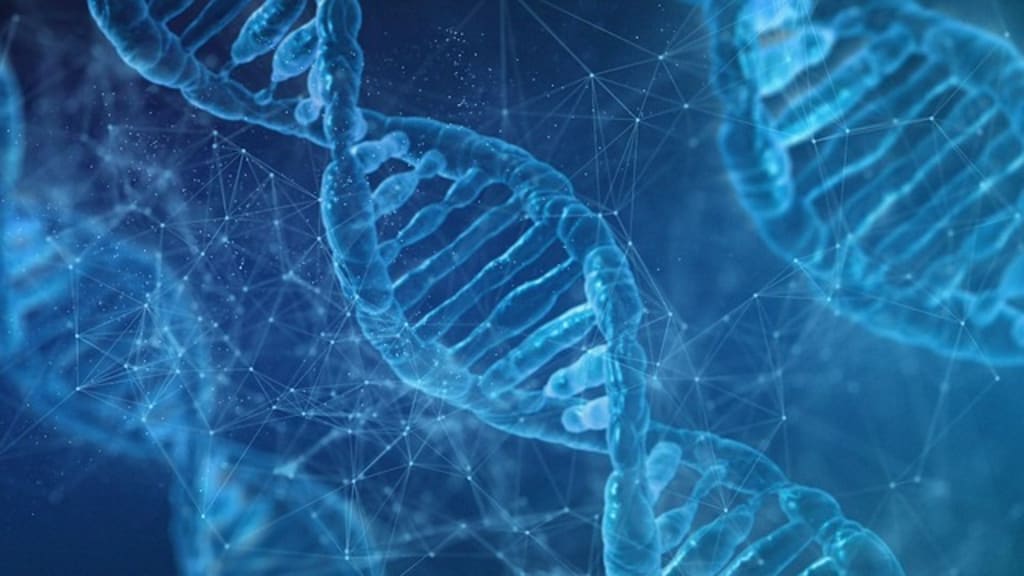
Genetic engineering is the process of modifying an organism's DNA to achieve a desired trait or characteristic. In recent years, the development of new genetic engineering techniques has opened up the possibility of modifying human DNA to prevent or treat genetic disorders, enhance human abilities, and even create designer babies. While these potential benefits are exciting, the use of genetic engineering on human DNA also raises significant ethical and safety concerns.
Potential Benefits of Genetic Engineering
One of the main potential benefits of genetic engineering is the ability to prevent or treat genetic disorders. Genetic disorders are caused by mutations in an individual's DNA, and can result in a wide range of health problems, from minor issues to life-threatening conditions. By modifying the DNA of an individual before they are born, it may be possible to prevent or cure these disorders.
Another potential benefit of genetic engineering is the ability to enhance human abilities. For example, genetic engineering could be used to improve athletic performance, cognitive abilities, or resistance to disease. This could have significant implications for public health and well-being, as well as for the fields of sports and entertainment.
Finally, genetic engineering could be used to create designer babies, or babies with specific traits selected by their parents. This could include physical traits like eye color or height, as well as more complex traits like intelligence or personality. While controversial, this could potentially allow parents to give their children the best possible start in life.
Potential Risks of Genetic Engineering
Despite these potential benefits, the use of genetic engineering on human DNA also raises significant ethical and safety concerns. One of the main concerns is the potential for unintended consequences. Modifying an individual's DNA could have unforeseen effects on their health, including the risk of new genetic disorders or other health problems.
Another concern is the potential for genetic engineering to exacerbate existing social inequalities. For example, if genetic engineering is only available to the wealthy, it could lead to a widening gap between the rich and the poor. Similarly, if genetic engineering is used to create designer babies with certain traits, it could lead to discrimination against those who do not have those traits.
There are also significant ethical concerns surrounding the use of genetic engineering on human DNA. For example, many people believe that genetic engineering is fundamentally unnatural and goes against the inherent dignity of human life. Others worry that genetic engineering could lead to eugenics, or the systematic selection of certain traits at the expense of others.
Finally, the use of genetic engineering on human DNA raises significant safety concerns. While many genetic engineering techniques are relatively safe, there is always the potential for unintended consequences. For example, genetic engineering could lead to the creation of new viruses or other harmful organisms.
Regulating the Use of Genetic Engineering
Given these potential benefits and risks, it is clear that the use of genetic engineering on human DNA must be carefully regulated. In the United States, the use of genetic engineering on human DNA is regulated by the Food and Drug Administration (FDA) and other government agencies. These agencies are responsible for ensuring that genetic engineering techniques are safe and effective, and for overseeing the ethical implications of their use.
However, some experts argue that current regulations are insufficient to address the potential risks of genetic engineering. They argue that more stringent regulations are needed to ensure the safety and ethical implications of the use of genetic engineering on human DNA.
Conclusion
Genetic engineering is a powerful tool with the potential to improve human health and well-being. However, it also raises significant ethical and safety concerns. As the use of genetic engineering on human DNA becomes more common, it is important for society to carefully consider the potential benefits and risks, and to ensure that the technology is used in a safe, ethical, and responsible manner. By doing so, we can harness the power of genetic engineering to improve the lives of individuals and society as a whole.
About the Creator
Keep reading
More stories from Aniket Kumar and writers in Earth and other communities.
How do scientists study the behavior of subatomic particles?
Subatomic particles, such as electrons, protons, and neutrons, are the building blocks of matter. Understanding their behavior is crucial to understanding the nature of the universe. But since these particles are too small to see with the naked eye, scientists must use specialized tools and techniques to study them.
By Aniket Kumar3 years ago in Earth
Shamrock House Plants have benefits
Shamrock Season is here The shamrock is a small three-leaf plant associated with Ireland and popular during Spring. You begin to see them sold in stores in March, which is the beginning of their season. There is much more to this foliage than a ground covering or being worn on a leprechaun's hat.
By Cheryl E Preston7 days ago in Earth


Comments
There are no comments for this story
Be the first to respond and start the conversation.