
What are the new materials of the future?
New materials that change the world


The world of materials science is rapidly advancing, and new materials are being developed every day. These materials have the potential to revolutionize various industries and make our lives easier and more sustainable. In this article, we will take a closer look at some of the new materials that are expected to shape the future.
Graphene:
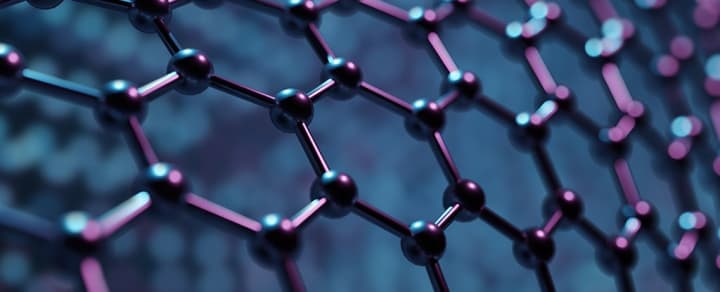
Graphene is a two-dimensional material made of carbon atoms arranged in a honeycomb pattern. It is an excellent conductor of heat and electricity and is also extremely strong, flexible, and lightweight. These properties make graphene a promising material for a wide range of applications, including electronics, energy storage, and composite materials.
Carbon nanotubes:
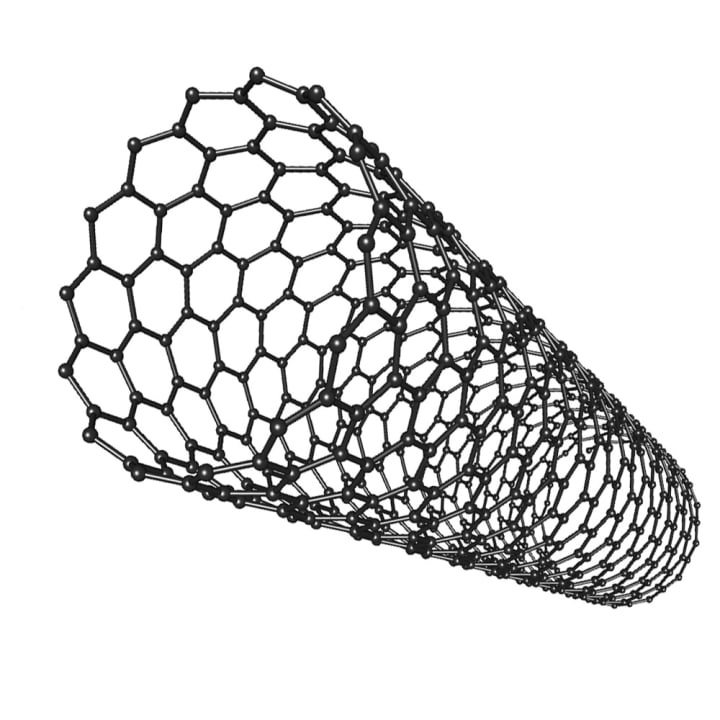
Carbon nanotubes are another form of carbon-based materials that have unique properties. They are tiny tubes made of graphene that are 100 times stronger than steel and have excellent thermal and electrical conductivity. Carbon nanotubes have the potential to be used in a variety of applications, such as energy storage, electronics, and sensors.
Metamaterials:
Metamaterials are materials that are engineered to have specific properties not found in nature. They are designed to interact with light, sound, or other forms of energy in ways that can be controlled and manipulated. For example, metamaterials could be used to create invisibility cloaks or to control the flow of sound waves.

Biodegradable plastics:
Plastic waste is a major environmental issue, and the search for sustainable alternatives has led to the development of biodegradable plastics. These materials are made from renewable resources and are designed to break down over time, reducing their impact on the environment. They have applications in packaging, agriculture, and consumer goods.

Nanomaterials:
Nanomaterials are materials that are engineered at the nanoscale. They have unique properties due to their small size and can be used in a wide range of applications, including electronics, energy storage, and medicine. For example, nanomaterials can be used to develop more efficient batteries or to deliver drugs directly to diseased cells.

Smart materials:
Smart materials are materials that can respond to changes in their environment, such as temperature, light, or pressure. They have applications in various industries, including construction, aerospace, and robotics. For example, smart materials could be used to create self-healing materials or to design structures that change shape in response to environmental conditions.

Organic electronics:
Organic electronics are made from carbon-based materials and are flexible, lightweight, and inexpensive to produce. They have the potential to revolutionize the electronics industry and could be used to create flexible displays, wearable devices, and other products.

The development of future materials is driven by the need to address pressing global challenges such as energy efficiency, sustainability, and environmental impact.
The use of environmentally friendly materials has become increasingly important in recent years as people become more aware of the impact that materials and their production have on the environment. There are several reasons why environmentally friendly materials are important, including:
Reduction of waste: Environmentally friendly materials are often designed to be recyclable or biodegradable, reducing the amount of waste that goes to landfills and helping to conserve resources.
Protection of wildlife and habitats: Some materials and their production methods can have a negative impact on wildlife and habitats, such as deforestation or the use of hazardous chemicals. Using environmentally friendly materials helps to reduce this impact and protect the environment.
Climate change mitigation: The production of many materials contributes to greenhouse gas emissions, which contribute to climate change. Using materials with a lower environmental impact, such as those made from renewable resources or produced with clean technologies, can help to mitigate the impact of climate change.
Health and safety: Many conventional materials are made using hazardous chemicals, which can be harmful to human health and the environment. Environmentally friendly materials are often made without the use of hazardous chemicals, making them safer for people and the planet.
In conclusion, the development of new materials has the potential to shape the future in a number of ways. From graphene and carbon nanotubes to biodegradable plastics and smart materials, new aluminium alloy, these materials have the potential to make our lives easier and more sustainable. The future of materials science is an exciting and rapidly evolving field, and we can expect to see many more breakthroughs in the years to come.
About the Creator
Keep reading
More stories from writers in Earth and other communities.
Denmark Bristles at Idea of Giving Up Any Sovereignty in Greenland
Greenland has once again found itself at the center of international attention. The vast Arctic territory, rich in minerals and strategically located, is more than just a dot on the map — it’s a symbol of sovereignty, self-determination, and geopolitical significance. Recently, comments from the United States suggesting closer access to Greenland sparked strong reactions from Denmark, which firmly stated that it will not give up any sovereignty over the island.
By Muhammad Hassan7 days ago in Earth
Man Shot Dead by Federal Agents in Minneapolis Named by Local Officials
Local officials in Minneapolis have identified the man who was shot and killed by federal agents during a law enforcement operation, an incident that has drawn public attention and renewed debate over the use of force by federal authorities. The fatal shooting occurred during an operation involving federal agents, with details continuing to emerge as investigators work to establish exactly what happened.
By Aarif Lashari5 days ago in Earth




Comments
There are no comments for this story
Be the first to respond and start the conversation.