
What Are Sustainable Shoes?
Top Ethical Brands and How They’re Changing the Footwear Industry


In a world increasingly aware of environmental issues, sustainability in fashion has taken center stage. Footwear, often overlooked in sustainability conversations, is now becoming a significant focus for both consumers and manufacturers. As more people seek out ethical, eco-friendly products, the demand for sustainable shoes continues to grow. But what truly makes a shoe sustainable, and how can we ensure the companies producing them adhere to both environmental and ethical standards?
What Makes a Shoe Manufacturer Sustainable?
Sustainable shoe manufacturers prioritize eco-friendly materials, ethical production, and energy-efficient processes. By using recycled or natural materials, reducing their carbon footprint, and ensuring fair labor practices, these brands create footwear that is better for the environment and people. Their commitment to a circular economy helps reduce waste and promote responsible consumption.
Material Choices
The materials used in shoe production have a significant impact on their sustainability. Traditional shoes often rely on materials like leather and synthetic fabrics, which have high environmental costs. Sustainable shoe manufacturers, on the other hand, focus on eco-friendly alternatives:
- Recycled Materials: Some brands use recycled rubber, plastic, and even upcycled textiles to minimize waste. This reduces the need for virgin materials and diverts waste from landfills.
- Natural Fibers: Materials like organic cotton, hemp, or Tencel are commonly used in eco-conscious shoe designs. These natural fibers are biodegradable and require fewer resources to produce compared to synthetic materials.
- Vegan Leather: Leather production is not only resource-intensive but also raises ethical concerns regarding animal welfare. Many sustainable brands now use plant-based or recycled alternatives to traditional leather, reducing their carbon footprint and avoiding harm to animals.
Energy Efficiency and Carbon Footprint Sustainable shoe companies often emphasize energy-efficient manufacturing processes. By using renewable energy sources like solar or wind power in their production facilities, they reduce their carbon emissions. Additionally, these companies invest in carbon offset programs to counterbalance their footprint, such as reforestation efforts or renewable energy projects.
Circular Economy and End-of-Life Considerations
One hallmark of a sustainable shoe brand is its commitment to a circular economy. Instead of promoting a throwaway culture, these companies design shoes that can be recycled, repaired, or composted at the end of their lifecycle. Some brands even offer take-back programs, where consumers can return their old shoes to be recycled into new products. This reduces the waste that typically comes with fashion consumption and keeps products out of landfills.
Ethical Labor Practices
A truly sustainable shoe isn’t just about the environment—it’s about the people making them, too. Ethical labor practices are a vital component of sustainability. This means fair wages, safe working conditions, and respect for workers' rights. Many sustainable brands are transparent about their supply chains, ensuring that every step of production, from material sourcing to final assembly, is done ethically.
How to Choose Sustainable Shoes
When choosing sustainable footwear, it’s important to look beyond the green marketing claims and focus on tangible factors that reflect the brand’s commitment to both the planet and its workers.
Look for Certifications
Certifications like Fair Trade, Global Organic Textile Standard (GOTS), or the Leather Working Group (LWG) are great indicators that a company meets certain environmental and ethical standards. These independent verifications give consumers confidence that they are supporting brands that genuinely prioritize sustainability.
Check the Brand’s Transparency
Transparency is key when it comes to sustainability. Many ethical brands provide detailed reports about their environmental impact, carbon footprint, and labor conditions. They are often open about where they source their materials and how their shoes are made. Look for brands that share this information readily and avoid those that make vague claims without backing them up.
Consider Durability
One of the most sustainable things you can do as a consumer is to buy products that last. High-quality shoes made from durable, eco-friendly materials not only reduce waste but also lessen the need for frequent replacements. A well-made pair of shoes that can be repaired or resoled is far more sustainable than one that will wear out quickly and end up in a landfill.
Support Companies With a Mission
Some brands go above and beyond by not only producing sustainable products but also giving back to the environment or local communities. Whether it’s planting a tree for every pair sold, investing in clean water initiatives, or supporting artisans with fair wages, these companies align their business model with positive global impact.
Sustainable Shoes in Action: A Few Leading Brands
Several brands have emerged as pioneers in the sustainable footwear movement, proving that eco-conscious designs can be stylish and functional.

Fluevog
Fluevog, a Canadian footwear brand known for its unique and artistic designs, has embraced sustainability by focusing on eco-friendly materials and ethical production practices. The brand uses responsibly sourced leathers, water-based adhesives, and recycled materials in its manufacturing process. Fluevog also commits to fair wages and safe working conditions in its supply chain, ensuring a balance between creativity, sustainability, and social responsibility.
Allbirds
Known for their comfortable sneakers made from natural materials like merino wool and eucalyptus, Allbirds focuses on minimizing their carbon footprint. Their shoes are also designed with recyclability in mind, encouraging a more circular fashion economy.
Veja
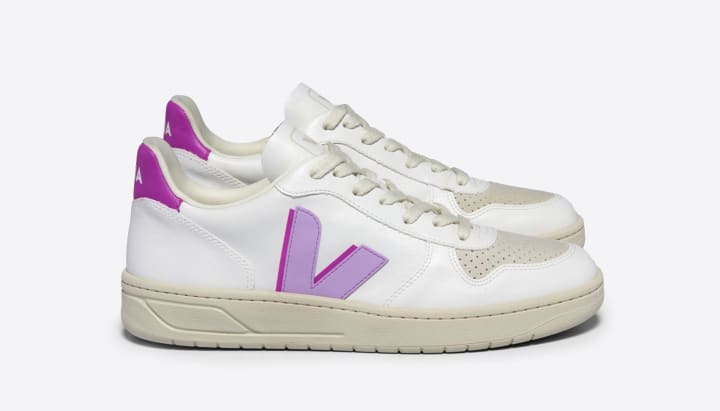
Veja combines sustainable materials like wild rubber from the Amazon with ethical manufacturing practices. The brand is transparent about its supply chain and focuses on reducing environmental impact through responsible sourcing and production.
Rothy’s
Rothy’s uses recycled plastic bottles to create their shoes, which are not only comfortable but also machine washable, extending their lifespan. Their closed-loop production system aims to minimize waste, and they offer a recycling program for worn-out shoes.
Native Shoes
Native Shoes focuses on producing lightweight, vegan footwear that is fully recyclable through their Remix Project, where old shoes are repurposed into playgrounds and other community projects.

The Future of Sustainable Footwear
As the demand for sustainable products grows, so too does innovation in the footwear industry. From biodegradable shoes made from mushroom leather to advances in 3D printing that reduce material waste, the future of sustainable shoes looks bright. Consumers play a key role in driving this change by making informed decisions and supporting brands that prioritize sustainability.
About the Creator
Md. Nurul Afsar
Online marketer, passionate kayaker and gamer. By day, I connect brands with audiences; by night, I navigate rapids and virtual worlds. Seeking new adventures on water and screen.
Keep reading
More stories from Md. Nurul Afsar and writers in Earth and other communities.
AI & SEO
Artificial Intelligence (AI) is transforming industries across the globe, and digital marketing is no exception. Search Engine Optimization (SEO), a critical aspect of any successful online presence, has been significantly impacted by the capabilities of AI. Understanding the integration of AI in SEO is crucial for digital marketers, website owners, and business leaders who want to stay ahead in the digital age. SEO can be found everywhere when it comes to web and so is AI now.
By Md. Nurul Afsarabout a year ago in 01
The Fiery Circle: Understanding the Pacific Ring of Fire
The **Pacific Ring of Fire** is not a literal ring of flames, but it is undoubtedly the most geologically volatile region on Earth. Stretching approximately 40,000 kilometers (25,000 miles) in a massive horseshoe shape, it traces the coasts of the Pacific Ocean—from the southern tip of South America, up along the coast of North America, across the Bering Strait, down through Japan, and into Southeast Asia and New Zealand.
By Irshad Abbasi 4 days ago in Earth
The Piggy Project
I’ve had so many names in this life I lose track of which ones were ever really mine and which ones I wore because someone needed me to. Some were handed to me before I had words to refuse them, before I knew what they meant, before I knew I could say no. Most weren’t meant to hurt. That doesn’t mean they didn’t leave marks. Marks that told me who I belong to, who I am by way of who claims me, recognizes me in the good and bad, who walks beside me.
By Fatal Serendipity5 days ago in Confessions


Comments
There are no comments for this story
Be the first to respond and start the conversation.