
Western States Face ‘Snow Drought’ as Snowpack Hits Record Lows
Why shrinking snowpack in the American West is becoming a hidden water crisis for communities, farms, and ecosystems
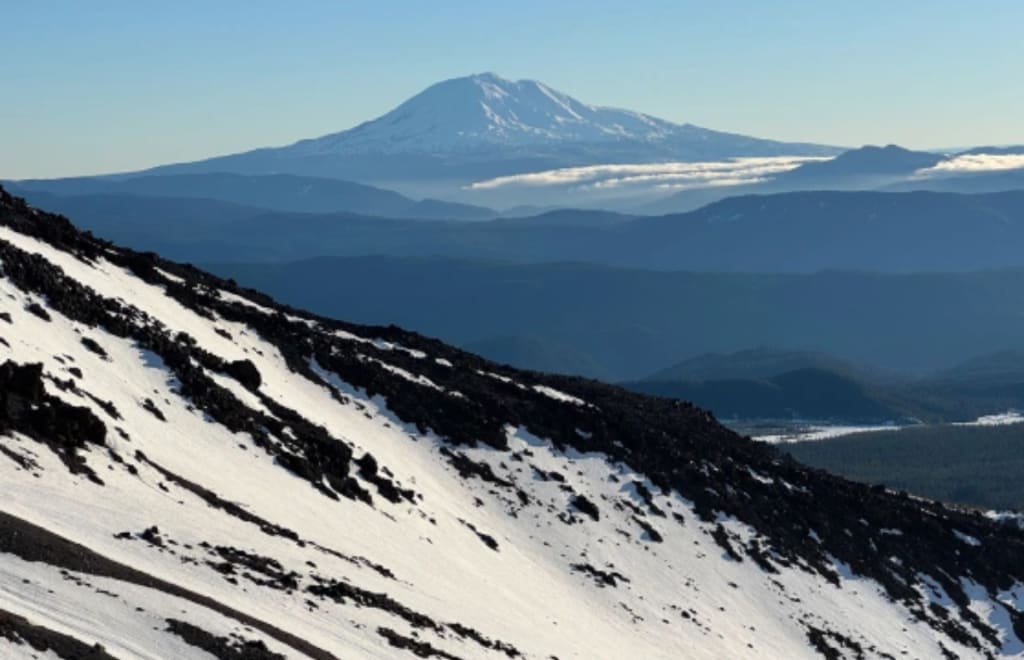
Introduction: When Winter Fails to Deliver
For generations, winter snow has been the lifeblood of the western United States. The snow that piles up in the mountains during cold months slowly melts in spring and summer, feeding rivers, reservoirs, farms, and cities. But in recent years, something alarming has been happening—snow is disappearing.
This winter, several western states are facing what scientists call a snow drought, with snowpack levels dropping to record lows. While many people think of drought as dry heat and cracked soil, snow droughts are quieter and less visible. Yet, they may be just as dangerous.
As climate patterns shift and temperatures rise, the West is entering an era where snow can no longer be taken for granted.
What Is a Snow Drought?
A snow drought happens when mountain regions receive much less snow than normal or when snowfall turns into rain because temperatures are too warm. Unlike traditional droughts that occur during hot summers, snow droughts begin in winter, long before people feel the effects.
There are two main types of snow droughts:
Dry snow drought: When little precipitation falls at all.
Warm snow drought: When storms bring rain instead of snow, preventing snowpack from forming.
Snowpack acts like a natural reservoir, storing water for months. When snowpack is low, water runs off immediately, leaving less available for dry seasons.
Record Low Snowpack Across the West
This winter has brought troubling data from mountain monitoring stations across the western United States. Snowpack levels in states such as California, Colorado, Utah, Washington, Oregon, Arizona, and New Mexico are far below normal for this time of year.
In some regions, snowpack is at less than half of its historical average, and several locations have reported their lowest readings in decades. This is especially concerning because snowpack is measured not just by depth, but by snow water equivalent (SWE)—the amount of water contained in the snow. Low SWE means less water for rivers and reservoirs.
The trend is not new. Scientists have observed a steady decline in snowpack over the past few decades, but recent years have shown sharper drops and greater variability, making it harder for communities to plan.
Why Is Snowpack Declining?
Rising Temperatures
The most significant reason for snow drought is warming temperatures. Even a small increase in winter temperatures can change snow into rain. Mountain regions that once stayed below freezing are now warming enough to prevent snow from accumulating.
Changing Storm Patterns
Climate shifts are altering how storms move across North America. Some regions receive fewer storms, while others receive rain instead of snow. High-pressure systems can block cold air, leading to extended warm periods in winter.
Climate Change Influence
Scientists widely agree that climate change is increasing the frequency and intensity of snow droughts. Warmer air holds more moisture, leading to heavier rain but less snowfall in many regions. Over time, this reduces the natural snow reservoir that the West depends on.
Why Snowpack Matters So Much
Snowpack is more than just winter scenery—it is the backbone of the western water system. Many of the region’s major rivers, including the Colorado, Columbia, and Sacramento rivers, depend on snowmelt. Millions of people rely on these rivers for drinking water, agriculture, and electricity.
When snowpack is low, the consequences can include:
Water shortages for cities and towns
Reduced irrigation for farmers
Lower hydropower production
Stress on wildlife and ecosystems
Higher wildfire risk in summer
Without snowpack, water arrives too early in the year and flows away before it can be stored, leaving reservoirs depleted during the hottest months.
Impacts on Communities and the Economy
Agriculture Under Pressure
Farmers across the West depend on predictable snowmelt to irrigate crops. Reduced snowpack can lead to water restrictions, smaller harvests, and higher food prices. Rural communities that rely on farming may face economic hardship.
Tourism and Winter Sports
The winter sports industry is already feeling the effects. Ski resorts and snow-based tourism depend on consistent snowfall. When snow is scarce, resorts must rely on artificial snowmaking, which requires large amounts of water and energy. Less snow also means fewer visitors, impacting local economies.
Urban Water Challenges
Cities such as Los Angeles, Denver, Phoenix, and Seattle depend heavily on snowmelt. Low snowpack can force cities to impose water restrictions and invest in costly infrastructure like desalination plants or recycled water systems.
Nature and Ecosystems at Risk
Snowmelt supports forests, wetlands, and aquatic ecosystems. Cold, steady river flows are essential for fish species such as salmon and trout. When snowpack is low, rivers warm earlier and flow less, threatening wildlife and increasing the risk of algae blooms and habitat loss.
Forests also depend on gradual snowmelt to stay moist during spring. Without it, vegetation dries out, increasing the likelihood of wildfires. Snow droughts can therefore contribute to longer and more intense fire seasons.
The Paradox of Rain Without Water Security
In some cases, the West experiences heavy rain and even flooding while still facing snow drought. This paradox happens because rain does not provide the same long-term water storage as snowpack. Rain runs off quickly, while snow melts slowly over months.
This phenomenon is sometimes called “hydroclimate whiplash,” where regions swing between extreme wet and dry conditions. These rapid shifts make water management increasingly complex and unpredictable.
What Could Happen Next?
The snow season is not finished, and late winter storms could still improve snowpack levels. However, long-term forecasts suggest that warming trends will continue, meaning snow droughts may become more frequent.
If snowpack remains low, the coming summer could bring:
Stricter water restrictions
Reduced hydropower generation
Increased wildfire danger
Higher costs for water and food
Greater stress on ecosystems and communities
Water managers are using advanced forecasting tools to predict snowmelt and plan for shortages, but long-term solutions will require significant adaptation.
How Communities Can Adapt
Water Conservation
Simple actions like reducing household water use, improving irrigation efficiency, and fixing leaks can make a big difference.
Investing in Infrastructure
Modernizing reservoirs, building water recycling systems, and improving storage capacity can help capture more water during wet periods.
Climate-Smart Planning
Governments and communities are integrating climate data into water planning to prepare for future variability.
Public Awareness and Education
Many people do not realize how important snowpack is. Raising awareness about snow droughts can encourage conservation and policy support.
Conclusion: A Quiet but Serious Crisis
Snow droughts may not be as visible as heatwaves or hurricanes, but they represent one of the most serious challenges facing the western United States. As winters grow warmer and snowpack declines, the region’s traditional water system is being rewritten.
The mountains have long acted as natural water towers, quietly storing water for millions of people. Now, those towers are shrinking. Communities, policymakers, and individuals must adapt to this new reality—or risk facing severe water shortages in the years ahead.
The snow may be falling less often, but the urgency to act is falling on everyone.
About the Creator
White House Backtracks Initial Claims About Alex Pretti After Intense Backlash
The Controversy Unfolds In recent days, the White House came under scrutiny after making initial claims about Alex Pretti, a figure involved in a politically sensitive incident. The statements, which were widely circulated by mainstream media and social platforms, faced immediate backlash from journalists, politicians, and the public. Critics accused the administration of misrepresenting facts and prematurely assigning narratives, prompting the White House to issue clarifications and revise its official statements. Who Is Alex Pretti? Alex Pretti, a public figure linked to [context-specific involvement, e.g., a political event, policy dispute, or social activism], became the center of national attention due to conflicting reports. Initial White House claims painted Pretti’s actions or statements in a certain light, which opponents argued did not align with evidence or eyewitness accounts. This discrepancy fueled a wider debate about the accuracy of information released by government officials and the consequences of premature public statements. White House Response and Backtrack Facing mounting criticism, White House officials clarified their earlier statements, acknowledging that the initial claims were misleading or incomplete. Spokespersons emphasized that the correction was necessary to ensure the public received accurate information. The revised statement addressed key points: Correcting factual errors from the initial release Acknowledging miscommunication or lack of verification Reassuring the public of commitment to transparency and accountability While the backtrack was intended to restore credibility, many commentators noted that the damage to public trust may be long-lasting, given the widespread media coverage of the original claims. Public and Media Reaction The response from journalists, political analysts, and social media users was immediate: Journalists highlighted the dangers of unverified government statements, emphasizing the need for fact-checking. Political commentators debated whether the administration acted out of political expediency rather than transparency. Social media users expressed skepticism and frustration, with hashtags criticizing the initial claims trending nationally. The incident underscores how rapid dissemination of information in the digital age can amplify errors and make retractions less effective than the original claims. Implications for Government Credibility The Alex Pretti controversy raises questions about government credibility and information management. Experts argue that mistakes like this can have broader consequences for public trust, particularly in an era of heightened political polarization. Key concerns include: Public skepticism toward official statements on sensitive issues Increased reliance on alternative media and citizen reporting to verify facts Pressure on government communications teams to balance speed with accuracy Observers note that while corrections are important, they rarely undo the initial impressions created by early statements. Political Fallout Politicians across the spectrum have weighed in on the situation. Opposition figures have criticized the administration for misleading the public, calling for stronger oversight and accountability measures. Supporters, meanwhile, have emphasized the importance of quickly correcting errors to maintain credibility. The incident is likely to influence how future communications are managed, with officials adopting more cautious approaches to statements involving controversial figures or events. Lessons for Crisis Communication Communication experts highlight several lessons from the Alex Pretti situation: Verify before issuing statements: In politically sensitive situations, fact-checking is essential. Anticipate backlash: Even minor errors can escalate rapidly in the media ecosystem. Act quickly to correct misinformation: Delayed corrections can exacerbate public distrust. Maintain transparency: Open acknowledgment of mistakes helps restore credibility. These principles are critical for government agencies, corporate communications, and public officials, demonstrating how one misstep can dominate headlines and public discourse. Broader Context The controversy also reflects larger trends in political communication, including: The influence of social media in shaping narratives The speed of news cycles, which can pressure officials to release statements before full verification Public demand for accountability and transparency in government Experts argue that the Alex Pretti incident is a reminder of the importance of responsible communication, especially in high-stakes political environments. Conclusion The White House’s backtrack on statements about Alex Pretti illustrates the delicate balance between rapid communication and accuracy in modern politics. While the clarification demonstrates a willingness to correct errors, the incident has already sparked discussions about government transparency, media scrutiny, and public trust. As the public continues to digest these developments, officials may need to reevaluate how sensitive information is communicated, ensuring that future statements are both timely and verified, minimizing the risk of controversy.
By Aarif Lashari5 days ago in Earth
One Unchecked Box
"Republished" because it was the only way to add the embed for the newly recorded audio version of this story due to the Top Story badge. Plus it serves as a nice, informal announcement of the podcast's revival for another season (go subscribe!):
By Stephen A. Roddewig4 days ago in Fiction


Comments
There are no comments for this story
Be the first to respond and start the conversation.