
The Pacific Reset: La Niña Fades as Neutral Conditions Become Likely Through Spring 2026
A consensus of global forecasters, led by the World Meteorological Organization, finds a high probability of a return to ENSO-neutral conditions, signaling a shift in seasonal climate drivers worldwide

Pacific in Transition: World Meteorological Organization Charts the Fade of La Niña
The global climate driver is shifting toward a neutral state, with significant 65–75% odds through spring 2026 and implications for weather patterns worldwide.
A significant shift is underway in the Pacific Ocean, one that dictates weather and climate patterns across the globe. According to the latest forecasts from the World Meteorological Organization (WMO), the current weak La Niña event is expected to fade, with a high probability of transitioning to neutral conditions in the coming months. This update provides crucial intelligence for sectors from agriculture to disaster preparedness, offering a roadmap for the planet's climatic engine for the first half of 2026.
Understanding the ENSO Cycle
The El Niño-Southern Oscillation (ENSO) is a natural climate pattern centered in the tropical Pacific Ocean, cycling between three main phases: El Niño (warm), La Niña (cool), and Neutral. It is the single most influential driver of seasonal climate variability on Earth. La Niña is characterized by a large-scale cooling of ocean surface temperatures in the central and eastern equatorial Pacific, which triggers a cascade of atmospheric changes affecting wind, pressure, and rainfall patterns worldwide.
The U.S. Climate Prediction Center (CPC), a key contributor to the global forecasting effort, officially maintains a "La Niña Advisory" as of early 2026, confirming the pattern's persistence. However, change is on the horizon. Historically, ENSO events tend to reach peak strength between October and February and typically persist for 9 to 12 months. The current event is following this script, now heading toward its likely conclusion.
The Forecast: A Gradual Return to Neutral
Multiple authoritative climate agencies align on the forecast for a transition. The WMO's Global Producing Centres for Seasonal Prediction indicate the probability of returning to ENSO-neutral conditions rises to about 65–75% for the January–March and February–April 2026 periods. Similarly, the U.S. CPC states there is a 75% chance of this transition occurring during January–March 2026 and that ENSO-neutral conditions are likely to continue through at least the Northern Hemisphere's late spring.
This consensus is reflected in the detailed probabilistic forecast from the International Research Institute for Climate and Society (IRI). Their plume of prediction models shows the probability of La Niña dropping sharply from 31% in January-March to just 5% by March-May 2026. Over the same period, the chance of Neutral conditions rises to as high as 88%, making it the overwhelmingly dominant forecast.
Why This Forecast Matters: Global Climate Impacts
The shift from La Niña to Neutral is not merely a technical change in ocean temperatures; it signals a shift in global weather influences. Even as the ocean transitions, the atmosphere can lag, meaning some La Niña-like effects may linger into early spring. The WMO's Global Seasonal Climate Update for January-March 2026 predicts that rainfall patterns in the equatorial Pacific will remain consistent with a La Niña-influenced pattern, with suppressed rainfall in the central and eastern Pacific and enhanced rainfall over the western Pacific and adjacent land regions.
· Temperature Outlook: For January–March 2026, above-normal land temperatures are strongly forecast for much of the Northern Hemisphere, including southern and northeastern North America, Central America, and the Caribbean.
· Rainfall Outlook: Enhanced probabilities for below-normal rainfall are predicted for southern North America, parts of eastern Asia, and northeastern South America. Conversely, above-normal rainfall is more likely for the Philippine Sea, northern North America, and the Caribbean.
For the United States, the fading La Niña typically suggests a change in the dominant storm tracks. The active southern jet stream often associated with La Niña winters may weaken, potentially reducing precipitation in the southern tier as the pattern dissolves.
Broader Context: Climate Change and Seasonal Forecasting
This ENSO transition is occurring against the backdrop of long-term human-induced climate change. The WMO emphasizes that naturally occurring events like La Niña now unfold in a world where the climate system is fundamentally altered, exacerbating extreme weather and impacting seasonal rainfall and temperature patterns. This makes accurate seasonal forecasts more critical than ever.
These forecasts are essential planning tools for climate-sensitive sectors. As WMO Secretary-General Celeste Saulo notes, this climate intelligence helps avert millions in economic losses and saves lives by informing decisions in agriculture, energy, health, transport, and humanitarian operations. Farmers, for instance, use these outlooks to guide planting decisions and water management, as the shift to Neutral can lead to more stable weather and potentially better crop yields compared to the extremes often tied to strong La Niña or El Niño events.
Looking Beyond Spring: The Path to El Niño?
While the focus is firmly on the move to Neutral through late spring, longer-range models begin to hint at the next phase. The IRI forecast indicates that by the middle of 2026, the probabilities for El Niño begin to increase, becoming the most likely outcome (though with modest probabilities of 48–51%) by the June–August period. Forecasters caution, however, that predictions made through the Northern Hemisphere spring face a known "predictability barrier," where model accuracy is lower. Therefore, while the trend toward El Niño is noted, it comes with higher uncertainty and will be clarified in future updates.
The expected fading of La Niña marks a pivotal moment in the 2026 climate calendar. The high-confidence forecast for Neutral conditions through late spring provides a valuable window of predictability for nations and industries worldwide. As national meteorological services continue to monitor conditions, this forecast underscores the vital role of international scientific collaboration in building resilience to our evolving global climate.
About the Creator
Saad
I’m Saad. I’m a passionate writer who loves exploring trending news topics, sharing insights, and keeping readers updated on what’s happening around the world.
15 Years After Fukushima, Japan Prepares to Restart the World’s Biggest Nuclear Plant
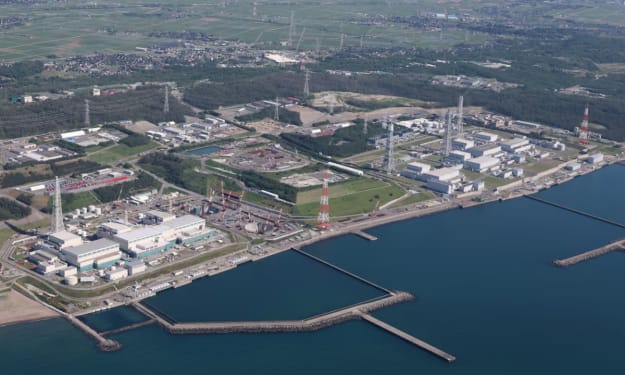
Fifteen years after the catastrophic Fukushima disaster, Japan is preparing to restart the world’s largest nuclear power plant. The decision marks a significant turning point in the country’s energy policy, reflecting both the urgent need for stable energy sources and the ongoing concerns about safety, environmental impact, and public trust. The move underscores Japan’s complex relationship with nuclear energy—a technology that has fueled the nation’s economic growth but also caused one of the worst nuclear disasters in history. The Fukushima Legacy In March 2011, a massive earthquake and tsunami triggered a meltdown at the Fukushima Daiichi Nuclear Power Plant, releasing radioactive material and forcing the evacuation of tens of thousands of residents. The disaster exposed flaws in safety regulations and emergency preparedness, reshaping public perception of nuclear energy in Japan and around the world. Following the incident, Japan shut down nearly all its nuclear reactors, relying heavily on imported fossil fuels to meet energy demand. The decision led to increased energy costs and heightened greenhouse gas emissions, creating pressure to diversify energy sources. Why Japan is Restarting Nuclear Reactors The restart of nuclear plants, including the world’s largest facility, is driven by several factors: Energy Security: Japan imports over 90% of its energy needs. Restarting nuclear plants reduces dependence on foreign fossil fuels and helps stabilize electricity supply. Climate Goals: Nuclear power generates electricity with minimal carbon emissions. As Japan commits to reducing greenhouse gases, nuclear energy offers a low-carbon alternative to coal and natural gas. Economic Considerations: Importing fossil fuels is expensive. Nuclear energy provides a relatively cheaper source of electricity in the long term, helping households and industries manage costs. The government emphasizes that advanced safety measures and rigorous inspections are in place, aiming to restore public confidence and prevent another disaster. Safety Measures and Upgrades Since 2011, Japan has invested heavily in upgrading nuclear infrastructure. Lessons from Fukushima have led to stricter regulations and improved disaster preparedness: Reinforced Reactor Buildings: Structures are now designed to withstand larger earthquakes and tsunamis. Advanced Cooling Systems: Redundant and automated cooling systems reduce the risk of overheating. Emergency Response Planning: Local governments and plant operators coordinate evacuation drills and disaster simulations. Regulatory Oversight: Japan’s Nuclear Regulation Authority (NRA) conducts independent inspections to ensure compliance with safety standards. Despite these measures, skepticism remains. Many citizens fear that no system can fully eliminate the risks associated with nuclear power, especially given the unpredictable nature of natural disasters in Japan. Public Opinion and Controversy The decision to restart the world’s biggest nuclear plant has sparked debate across Japanese society. Supporters argue that nuclear energy is essential for economic stability, energy security, and climate goals. They point out that without nuclear power, Japan would struggle to meet rising electricity demand and climate commitments. Opponents, however, raise concerns about safety, environmental impact, and long-term waste management. Memories of Fukushima remain vivid, and surveys indicate that a significant portion of the population is uneasy about returning to nuclear energy. Local communities near nuclear plants have voiced particular concern, fearing potential accidents and contamination. Economic and Energy Implications Restarting nuclear plants could have broad economic benefits. Stable electricity supply reduces the risk of blackouts, supports industrial activity, and helps control electricity prices for households. From an energy policy perspective, nuclear power allows Japan to balance its energy mix more sustainably. It complements renewable sources like solar and wind, which can fluctuate depending on weather conditions. Nuclear plants provide a steady “baseload” supply that renewables alone cannot guarantee. However, challenges remain: the disposal of radioactive waste, decommissioning older plants, and ensuring consistent regulatory oversight are all long-term concerns that Japan must address to maintain credibility and safety. Global Perspective Japan’s decision is being watched closely worldwide. The Fukushima disaster reshaped global nuclear policy, leading countries like Germany to phase out nuclear energy while others, including China and South Korea, continue to invest in it. Restarting the world’s largest nuclear plant sends a signal about Japan’s commitment to energy self-sufficiency and low-carbon power. It also raises questions about how other nations handle the balance between energy security and safety, especially as climate change increases the urgency for reliable, low-emission energy sources. Lessons Learned Fifteen years after Fukushima, Japan’s experience provides key lessons for the global community: Preparedness is Crucial: Robust safety standards and disaster response systems are essential for operating nuclear plants in seismically active regions. Public Trust Matters: Long-term energy policy must consider public perception and involve communities in decision-making. Diversified Energy Strategy: Nuclear power should be part of a broader energy mix, complemented by renewables to reduce risk and emissions. Continuous Oversight: Independent regulatory bodies and transparent operations are critical for maintaining safety and credibility. These lessons are not only relevant for Japan but also for any country considering nuclear power as part of its energy transition strategy. Conclusion The restart of Japan’s largest nuclear plant, fifteen years after the Fukushima disaster, represents both hope and caution. It promises more stable energy, lower carbon emissions, and economic benefits. At the same time, it reminds the world of the inherent risks of nuclear power and the need for rigorous safety, transparent governance, and public engagement. Japan’s journey reflects a broader challenge faced by many nations: how to meet growing energy demand and climate goals while ensuring safety, sustainability, and public trust. The coming years will reveal whether this bold step strengthens Japan’s energy future or reignites debate over the role of nuclear power in a post-Fukushima era.
By Muhammad Hassan6 days ago in Earth
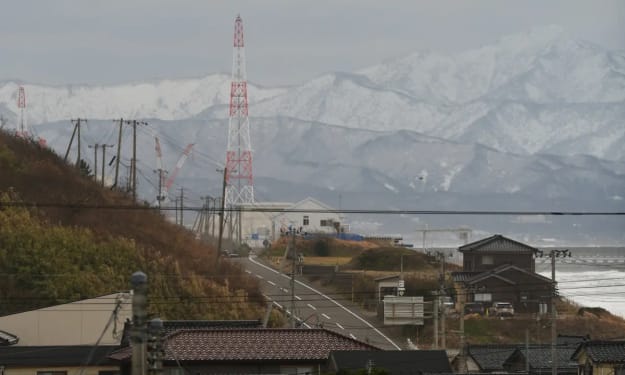
Malfunction Forces Japan to Take Restarted Nuclear Plant Offline: What It Means for Energy Security and the Future of Nuclear Power
Japan's efforts to revive its nuclear energy sector suffered a significant setback recently when a malfunction forced a restarted nuclear plant offline, highlighting the challenges the country faces as it works to balance energy security, environmental goals, and safety standards. This development has raised questions about the reliability of nuclear power in the post-Fukushima era and the nation’s ambitious plans to reduce its dependence on fossil fuels.
By Muhammad Hassan3 days ago in Earth


Comments
There are no comments for this story
Be the first to respond and start the conversation.