
Western Ghats in tamilnadu Nilgiri side
Nilgiri nature

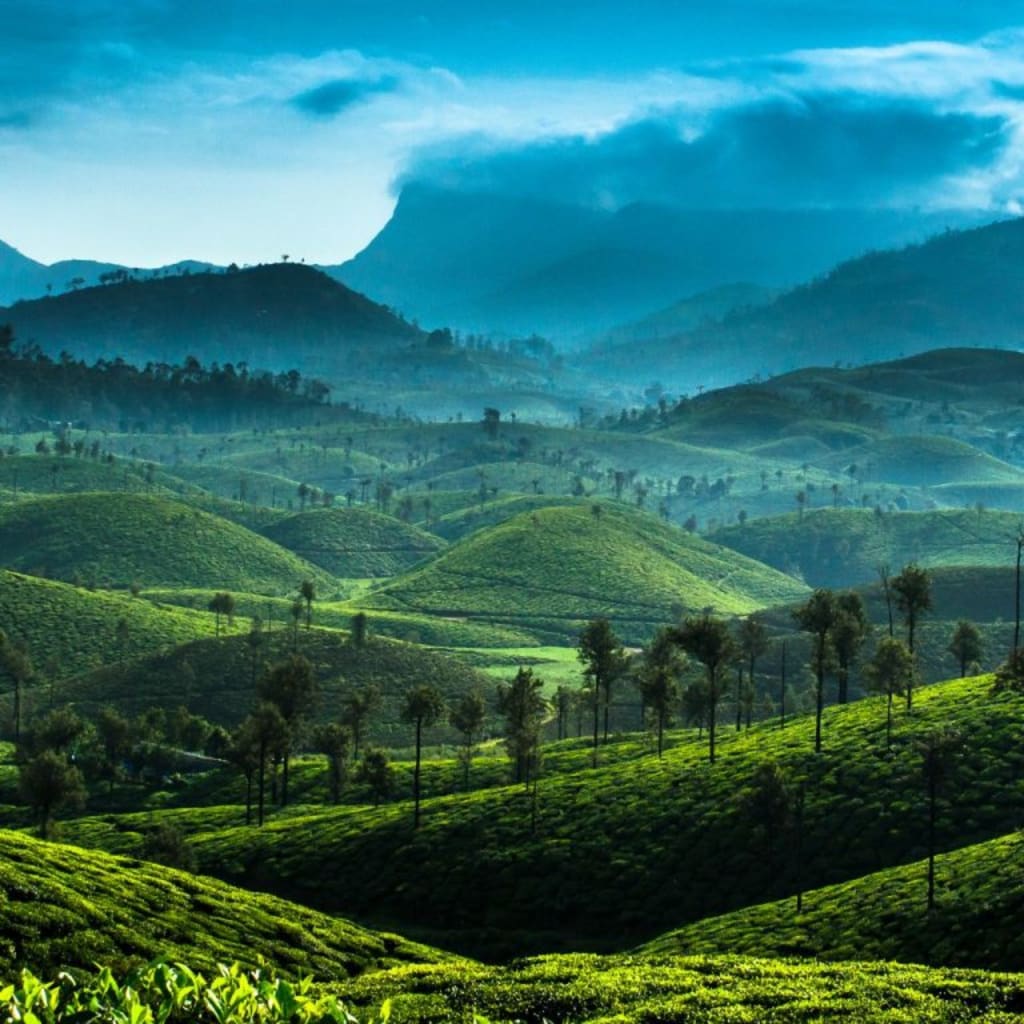
The section of the Western Ghats in Tamil Nadu known as Nilgiri Malai
The Nilgiri Malai is a section of the Western Ghats that runs through Tamil Nadu. This region is home to a large number of plant and animal species, as well as some of the oldest rocks in India. The Nilgiri Malai is also a popular tourist destination for its scenic views and hiking trails.
The section of the Western Ghats in Tamil Nadu known as Nilgiri Mala
i is a biodiversity hotspot and is recognized as an eco-sensitive area. It also has several protected areas such as the Mudumalai National Park and the Mukurthi National Park, which are home to many endangered species. The Nilgiri Malai is also known for its tea
In addition to its natural beauty, the Nilgiri Malai is also culturally rich, with a long history of indigenous communities who have lived in harmony with the environment for centuries. The area is home to several unique tribes, such as the Toda, Kota and Irula, who have their own distinct traditions, languages and customs. The Nilgiri Malai is also famous for its hill stations such as Ooty and Coonoor, which were once popular summer retreats for the British during colonial times and remain popular tourist destinations today. Overall, the Nilgiri Malai is a unique and valuable region that needs to be protected and conserved for future generations to enjoy.
Another important factor in preserving the Nilgiri Malai is responsible tourism. With the increasing number of tourists visiting the region, it is important to ensure that their activities do not harm the environment. This includes promoting eco-friendly tourism practices, such as using public transportation, reducing waste, and respecting wildlife and local cultures. Additionally, supporting local businesses that follow sustainable practices and protecting wildlife can help conserve the region's resources.
In conclusion, the Nilgiri Malai is a unique and valuable region that requires our attention and protection. By working together and taking a comprehensive approach that involves conservation measures, sustainable development, and responsible tourism, we can ensure that the Nilgiri Malai remains a pristine and thriving environment for generations to come.
Another important aspect in preserving the Nilgiri Malai is scientific research and monitoring. Regular monitoring of the area's ecosystem and wildlife can provide valuable insights into the impact of human activities and the effects of climate change. This information can then be used to guide conservation efforts and inform decision-making. Research into the region's unique biodiversity can also help to identify and protect species that are threatened or endangered.
The government also has an important role to play in protecting the Nilgiri Malai. This includes enforcing laws and regulations that protect the environment and wildlife, as well as providing financial and technical support for conservation efforts. In addition, the government can work with local communities to promote sustainable development and provide education and training programs to help people find alternative livelihoods that are less damaging to the environment.
In conclusion, preserving the Nilgiri Malai requires a multi-faceted approach that involves the government, local communities, conservation organizations, and tourists. By working together and taking a proactive and responsible approach, we can ensure that the Nilgiri Malai remains a vibrant and thriving ecosystem for generations to come.
In conclusion, the Nilgiri Malai is a precious and valuable section of the Western Ghats that must be protected for its ecological, cultural, and economic significance. The preservation of the Nilgiri Malai requires a collective effort that involves the government, local communities, conservation organizations, tourists, and scientific researchers. By implementing conservation measures, promoting sustainable development, responsible tourism, and scientific research, we can ensure that the Nilgiri Malai remains a thriving ecosystem for future generations to enjoy.
About the Creator
Devendiran Balraj
I am a interests facts deliverer.
Keep reading
More stories from Devendiran Balraj and writers in Earth and other communities.
Australia Horticulture Market 2026: Climate-Smart Farming, Export Demand & Agri-Tech Innovation
Australia Horticulture Market Overview Australia’s horticulture market plays a crucial role in the country’s agricultural economy, supplying fresh fruits, vegetables, nuts, flowers and nursery products to both domestic and international markets. The sector is widely recognized for high-quality produce, strong biosecurity standards and advanced farming practices. Growing consumer demand for nutritious foods, expanding export opportunities and continuous technological innovation in agriculture are driving sustained development across Australia’s horticulture industry.
By Amyra Singh7 days ago in Earth


Comments (1)
Nice one! Subscribe my channel also